
The taper fade haircut long on top has cemented itself as the definitive hairstyle for the modern man in 2026, perfectly aligning with current men’s grooming trends. By balancing a clean, sharp aesthetic on the sides with the creative freedom of length on top, this cut offers unparalleled styling versatility. Whether you are aiming for a professional boardroom look or a relaxed, textured vibe for the weekend, this style is your go-to solution.
In this guide, we explore why this haircut remains the king of men’s grooming, how to choose the right fade for your face shape, and the best ways to maintain your look throughout the year through an effective daily hair care routine.
Understanding the Taper Fade Long on Top
At its core, a taper fade with long hair on top is a masterclass in contrast. The sides and back are tapered—meaning the hair length gradually decreases as it moves toward the neckline, often following the natural hairline and considering individual hair growth patterns—while the top remains significantly longer, allowing for various styling options like pompadours, quiffs, or messy textured layers.
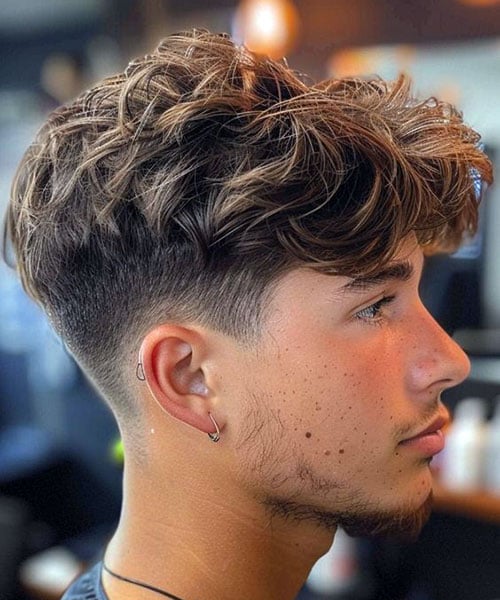
Unlike a standard skin fade that might look too aggressive, or the often more defined line of an undercut, a taper fade is often more conservative and refined. It blends seamlessly, making it an excellent choice for men who want a sharp, modern appearance without sacrificing the ability to style their hair in multiple ways.
Choosing Your Fade Height: Low, Mid, or High?
The secret to nailing the taper fade long on top is choosing the right starting point for your fade. Your skilled barber will typically guide you based on your head shape, but here is a breakdown of the 2026 standards:
1. The Low Taper Fade
The low taper fade begins just above the ears and follows the hairline down to the neck. It is subtle, classy, and perfect for guys who want a clean look without exposing too much scalp. It pairs exceptionally well with a longer, swept-back top.
2. The Mid Taper Fade
The mid taper fade hits the sweet spot between the temples and the ears. It is the most popular choice for 2026 because it offers a significant contrast while maintaining a professional balance. This style works wonders for those with thick, wavy hair on top, as it draws the eye upward.
3. The High Taper Fade
The high taper fade starts much further up the sides. It is a bold, edgy look that creates a dramatic silhouette. If you have a round face, a high fade can help elongate your features, making it a strategic choice for specific face structures.
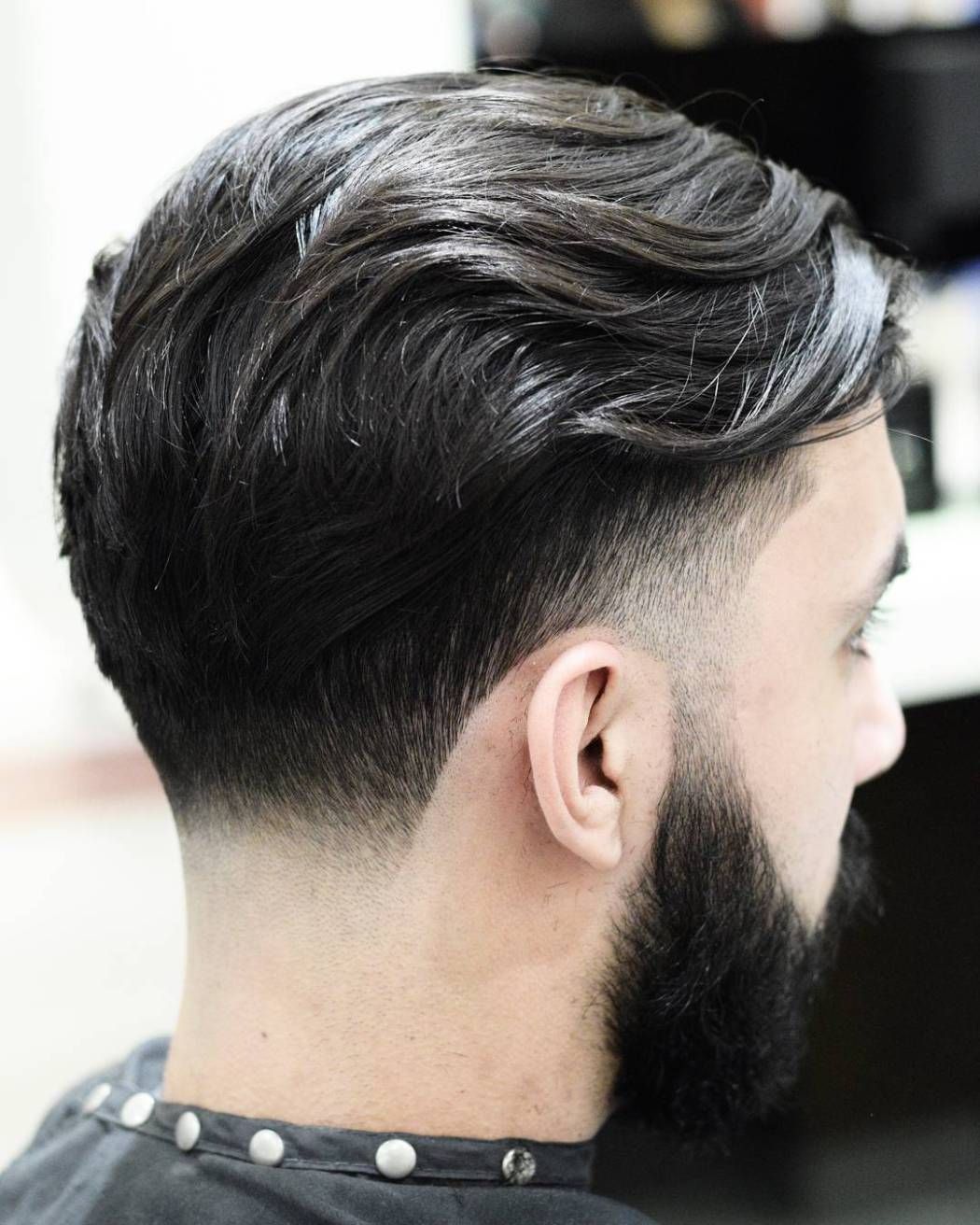
Why the “Long Top” Matters in 2026
The trend in 2026 is moving away from overly structured, rigid styles and toward natural volume and movement. Keeping the hair long on top allows you to experiment with:
Textured Layers: Using sea salt spray or matte clay to achieve a “lived-in” look.
The Modern Quiff: Using a hairdryer and round brush to create height at the front.
Flowing Styles: Letting the natural wave of your hair dictate the shape, providing a relaxed, approachable aesthetic.
The Man Bun/Top Knot: If the top is long enough, you can pull it back for a clean, gym-ready look that still features a sharp, faded base.
Statistics suggest that over 65% of men now prefer a “textured” finish over the high-shine, gelled looks of the past. This makes the long-on-top variation perfect for adapting to the current preference for low-maintenance, high-impact grooming, reflecting key shifts in contemporary men’s hairstyles.
Styling Tips for Your Taper Fade
Owning the look is half the battle. To keep your taper fade haircut looking fresh, you need the right tools and men’s hair products.
Essential Products for 2026
- Matte Styling Cream: Perfect for adding control without the greasy, wet look.
- Sea Salt Spray: Essential for creating that beachy, voluminous texture that is trending this year.
- Quality Hair Dryer: A must-have for training your hair to stay in place.
- Matte Clay: Ideal for thicker hair types that need a stronger hold throughout the day.
Maintenance Schedule
Because the taper fade relies on clean lines, it does require regular upkeep. To maintain the “fresh out of the barber” look, aim to visit your barber every 2 to 3 weeks. While the top can grow out for months, the sides need that consistent attention to keep the fade looking sharp.
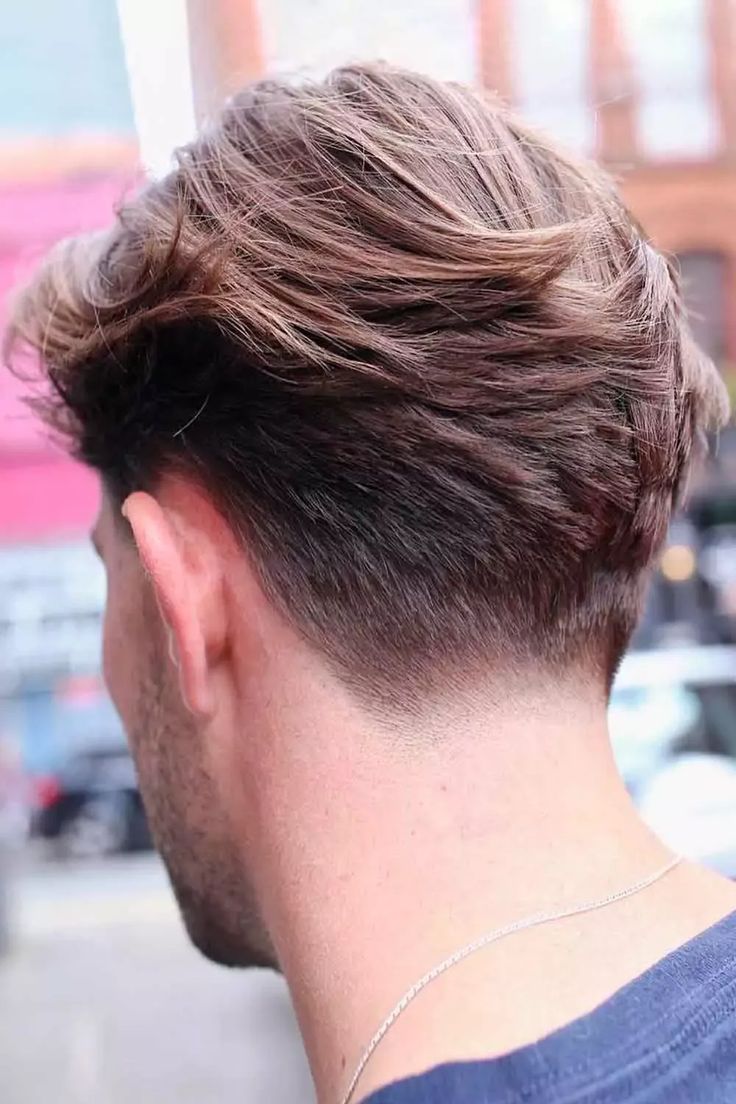
Adapting to Your Hair Type
The beauty of the taper fade long on top is its universality. Regardless of your hair texture and density, there is a version that works for you:
Straight Hair: Go for a textured crop or a slicked-back pompadour. Use a light pomade to keep it neat.
Wavy/Curly Hair: Embrace the volume! A taper fade removes the bulk from the sides, allowing your natural curls to be the star of the show on top.
Thick Hair: Ask your barber to “debulk” the top using thinning shears. This prevents the hair from looking too heavy or mushroom-like.
Fine/Thinning Hair: A shorter top with a high fade can actually make your hair appear fuller by creating a stronger contrast against the scalp.
The Professional Advantage
In 2026, personal branding is more important than ever. Your hairstyle is often the first thing people notice during a meeting or a social event. The taper fade with a longer top conveys that you are detail-oriented and care about your presentation, but also that you are modern and adaptable.
It is a “safe” haircut that doesn’t feel boring. You get the professional, clean-cut sides required for a suit-and-tie environment, but the length on top allows you to express your personality. Whether you spike it up, sweep it to the side, or let it fall naturally, you are in control of your image.
Conclusion: Is the Taper Fade Right for You?
The taper fade haircut long on top is more than just a passing trend—it is a staple of modern men’s fashion. Its ability to blend the best of both worlds—length and precision—makes it an essential style for 2026.
When you head to the barber, bring a few reference photos that show the specific fade height you want and the length you desire on top. Communication is key to getting the perfect cut. Remember, the best haircut is one that makes you feel confident and aligns with your daily lifestyle. If you haven’t tried this style yet, 2026 is the perfect year to make the switch.
With the right maintenance, the right products, and a talented barber, you will find that this cut is not only easy to style but also incredibly rewarding. Embrace the versatility, experiment with different textures, and enjoy the sharp, clean lines that only a well-executed taper fade can provide.
Delving Deeper into Taper and Fade Variations for the “Long on Top” Style
While the terms “taper” and “fade” are often used interchangeably, understanding their distinct nuances and variations is crucial for achieving your desired “long on top” look. A taper generally refers to a gradual reduction in hair length, often starting from a longer length at the top and gradually getting shorter down to the neckline and around the ears, but typically not going down to the skin, always mindful of the client’s hair growth patterns. It creates a soft, natural transition. A fade, on the other hand, is a more aggressive form of taper where the hair gradually shortens until it blends seamlessly into the skin or a very short stubble.
For the “long on top” style, the choice of fade or taper profoundly impacts the overall aesthetic:
Low Fade/Taper: This starts just above the ear and curves around the head, often following the natural hairline. It offers a subtle, classic look, maintaining more length on the sides and creating a less dramatic contrast with the long top. It’s excellent for professional settings or those preferring a softer edge.
Mid Fade/Taper: Beginning roughly at the temples, this is perhaps the most popular choice, offering a balanced contrast. It highlights the length on top without being overly dramatic, suitable for a wide range of personal styles and hair textures.
High Fade/Taper: Starting higher up the head, often around the parietal ridge, this creates a stark, bold contrast with the long hair on top. It emphasizes the length and volume on top and delivers a very sharp, modern, and edgy appearance.
Beyond the height, the type of fade also matters:
Skin/Bald Fade: The hair is taken down to the skin, creating the highest contrast and a very clean, sharp finish. This is ideal for showcasing intricate designs on top or for a truly bold statement.
Shadow Fade: The hair is faded down to a very short stubble (e.g., 0.5 or 1 guard), but not completely to the skin. This provides a softer transition than a skin fade while still maintaining a sharp look.
Drop Fade: The fade line “drops” behind the ear, following the natural curve of the head. This creates a unique, often more relaxed silhouette, especially when paired with a textured or messy top.
Burst Fade: This distinctive fade radiates outwards from behind the ear, leaving the hair longer in the back of the neck. It’s often seen with mullets or specific textured crops, offering a very unique and fashion-forward take.
Each variation offers a distinct personality. A skin fade with a slicked-back top exudes sophistication, while a mid-shadow fade with a textured quiff offers casual elegance. Understanding these options empowers you to select a cut that truly reflects your individual style and the statement you wish to make.
Tailoring the Taper Fade Long on Top to Your Unique Face Shape
One of the less discussed but most critical aspects of any haircut is how it complements your face shape. The taper fade long on top is incredibly versatile, showcasing its inherent styling versatility, but strategic adjustments can enhance your features and create a more balanced aesthetic.
Oval Face: Considered the “ideal” face shape, oval faces can pull off virtually any variation of the taper fade long on top. You have the freedom to experiment with high, mid, or low fades and various top lengths and styles.
Round Face: To add definition and length, opt for a higher fade or taper on the sides. This creates the illusion of more height and slims the face. Keep the hair on top with significant volume and height (e.g., a quiff or pompadour) to further elongate the face. Avoid styles that add width to the sides, which can make the face appear rounder.
Square Face: With strong, angular features, a square face can either be softened or accentuated. A softer taper (rather than a harsh fade) can gently round out the edges. Alternatively, a sharp, high fade can dramatically highlight a strong jawline. A textured, slightly messy top can add balance, preventing the overall look from becoming too rigid.
Oblong/Long Face: The goal here is to avoid adding more height, which would make the face appear even longer. Choose a lower fade or taper to maintain more hair on the sides. Consider a fringe or a swept-forward style on top rather than a high pompadour. Styles that create width on the sides (like a slight burst fade or a more blended approach) can also help balance the length.
Heart-shaped/Triangular Face: Characterized by a wider forehead and a narrower chin, this face shape benefits from balancing the proportions. A mid-level fade can work well. On top, aim for styles that add some volume or texture but avoid excessive width at the temples. A slightly longer, swept-back or textured top can help soften the forehead and draw attention to the eyes.
Consulting with your barber about your face shape is paramount. They can provide expert advice on how to best customize the taper fade long on top to highlight your best features and create a harmonious overall look.
Mastering Product Application and Long-Term Hair Health
Achieving the perfect look with your taper fade long on top extends beyond the initial cut; it involves intelligent product application and a commitment to a comprehensive daily hair care routine and long-term hair health.
Advanced Product Application:
Many mistakenly believe one product is enough. Often, layering products can yield superior results:
- Prep and Foundation: After washing, towel-dry your hair until it’s damp, not dripping. Apply a pre-styling product from your selection of quality men’s hair products like a sea salt spray or a volumizing mousse. This provides initial texture, heat protection, and a base for hold, especially crucial for finer hair types needing a boost.
- Blow-Drying for Shape: Using a blow-dryer on medium heat and a brush (vented or round, depending on desired volume), direct the hair into your intended style. Blow-drying is fundamental for creating volume, direction, and “memory” in the hair before any hold product is applied.
- Applying Hold Product: Once dry and shaped, emulsify your chosen styling product (pomade, clay, cream) between your palms until it’s warm and evenly distributed. Start with a small amount, working it into the roots first for maximum hold, then distributing it through the lengths. For a more textured look, focus on scrunching and separating strands. For a slicker finish, comb through thoroughly.
- Finishing Touches: If extra hold or humidity protection is needed, a light mist of hairspray can be applied. For a truly matte finish, a texture powder can be sprinkled at the roots for instant volume and grip.
Specific Product Recommendations for Different Finishes:
Matte Finish/Natural Texture: Opt for styling clays or texture powders. Clays provide a strong, pliable hold with no shine, enhancing natural hair texture and density. Powders add incredible root lift and grit for a dishevelled, effortless look.
Natural Hold/Subtle Shine: Styling creams or light pomades are ideal. Creams offer light to medium hold, condition the hair, and provide a healthy, natural sheen. Light pomades provide more hold than creams with a touch of shine, perfect for a refined, non-greasy look.
High Shine/Strong Hold: Oil-based pomades or strong-hold gels deliver maximum hold and a glossy finish, excellent for slicked-back styles or defined pompadours. Be mindful that oil-based pomades can be harder to wash out.
Beyond Styling: Hair Care for the Long Top:
The longer hair on top requires more attention as part of your daily hair care routine to remain healthy and vibrant:
Shampoo and Conditioner Choice: Invest in quality, sulfate-free shampoos and conditioners. Sulfates can strip natural oils, leading to dryness and frizz. Look for moisturizing ingredients like argan oil, shea butter, or keratin.
Scalp Health: A healthy scalp is the foundation for healthy hair. Regular washing (but not daily, which can over-dry), gentle scalp massages, and occasional use of a scalp exfoliant can prevent product buildup and promote circulation.
Protection from Heat Styling: If you frequently use a blow-dryer or other heat tools, a heat protectant spray is non-negotiable. This shields your hair from damage, preventing dryness, breakage, and split ends.
Regular Trims for the Top: Even though it’s “long,” the top still needs regular trims every 6-8 weeks to remove split ends and maintain its shape and health. This prevents it from looking scraggly or weighed down.
By integrating these practices, your taper fade long on top won’t just look good immediately after styling, but will maintain its health, vitality, and stylish appeal day after day.
The Art of Communicating with Your Barber
Getting the perfect taper fade long on top is a collaborative process between you and your professional barber. Effective communication is the key to ensuring you walk out of the shop with exactly what you envisioned.
Visuals are Non-Negotiable: Always bring reference photos. Multiple photos from different angles are even better. This eliminates ambiguity and provides a clear visual target for your barber. Be prepared to discuss what you like (and dislike) about each photo.
Use Specific Terminology: While photos are primary, knowing key terms helps. Clearly state whether you want a “skin fade,” “shadow fade,” “low taper,” “mid fade,” or “high and tight.” Clarify if you understand the distinction between an undercut vs. taper fade to ensure precise communication. Specify the desired length on top in relative terms (“finger-length,” “enough to slick back,” “textured crop”). Mention if you want a “disconnected” look (a sharp break between the long top and short sides) or a “blended” transition.
Discuss Your Lifestyle: Inform your barber about your daily routine. How much time are you willing to spend styling? Do you prefer a low-maintenance look, or are you happy to dedicate time to intricate styling? What’s your profession – does it require a more conservative or allows for a bolder style? This helps them tailor the cut to fit your life, not just your head.
Be Open to Professional Advice: Your barber is an expert in hair. They understand different hair textures, hair growth patterns, and how a cut will settle. Be open to their suggestions regarding what will work best for your specific hair type and face shape. They might recommend slight modifications to your desired style for a more flattering or manageable result.
Post-Cut Consultation: Before you leave the chair, don’t hesitate to ask questions. Inquire about the products they used, how they recommend styling it at home, and how often you should return for a trim to maintain the look. This ensures you can replicate the salon-fresh style yourself.
A good barber will appreciate your preparedness and your willingness to engage in a detailed conversation. This collaboration ensures that your taper fade long on top is not just a haircut, but a perfectly sculpted expression of your personal style.
In conclusion, the taper fade long on top is more than just a fleeting trend; it’s a testament to timeless elegance and modern adaptability, solidifying its place among classic men’s haircuts. Its enduring popularity, evidenced by its consistent presence in men’s grooming trends and among style icons, speaks volumes about its versatility and universal appeal. By understanding the intricate variations of fades and tapers, tailoring the style to your unique face shape, mastering advanced product application, and fostering clear communication with your barber, you unlock the full potential of this iconic haircut. It offers a powerful blend of sharp lines, masculine strength, and individual expression, making it a truly empowering choice for any man looking to elevate his aesthetic. This haircut isn’t just about looking good; it’s about feeling confident, distinguished, and perfectly put-together in any setting, truly solidifying its place as a cornerstone of contemporary men’s fashion.