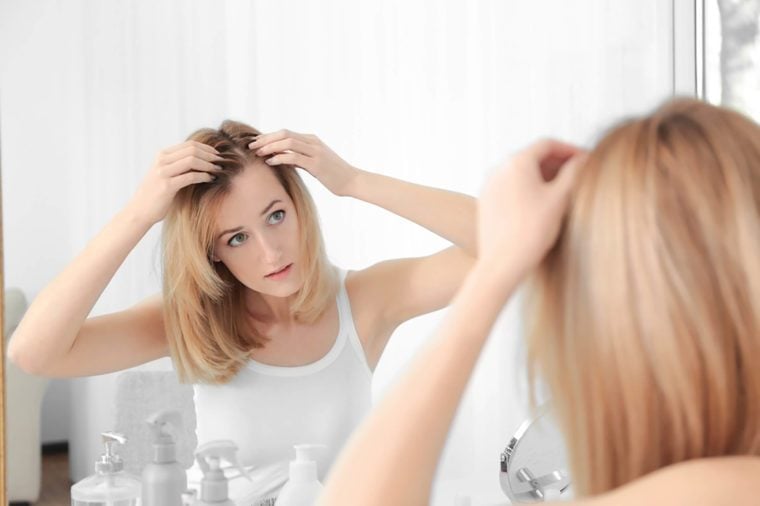
Is Your Hair Aging? 5 Signs and How to Reverse Them for Youthful Locks
The mirror doesn’t lie, does it? While we often focus on the tell-tale signs of aging on our skin, our hair can be an equally powerful indicator of the passage of time. But here’s the good news: understanding is your hair aging? is the first step to revitalizing it. You don’t have to accept dull, brittle, or thinning hair as an inevitable consequence of getting older. In fact, with the right knowledge and a few strategic adjustments, you can actively reverse many of these common signs and reclaim the vibrant, youthful locks you deserve.
Many of us assume that hair aging only means going gray. However, experts reveal that changes can begin much sooner than you expect, even if your natural color is still intact. From a subtle shift in texture to a noticeable decrease in volume, our hair undergoes transformations as we age, influenced by genetics, hormonal shifts, environmental factors, and our lifestyle choices. This article will delve into the most prevalent signs that your hair might be aging and, more importantly, equip you with actionable strategies to combat these changes and restore a youthful radiance to your crowning glory. Get ready to unlock the secrets to turning back the clock on your hair!
The Subtle Whispers: Recognizing the Early Signs of Hair Aging
Before we dive into the “how,” let’s pinpoint the “what.” Recognizing is your hair aging? involves paying attention to the subtle shifts in your hair’s health and appearance. These aren’t drastic changes overnight, but rather a gradual evolution that, if left unaddressed, can lead to more significant concerns.
1. Loss of Shine and Vibrancy: The Dullness Dilemma
Remember when your hair used to catch the light with a natural gleam? As we age, the natural production of sebum, the oil that moisturizes and protects our hair strands, can decrease. Furthermore, the cuticle, the outermost layer of the hair shaft, which is responsible for reflecting light, can become less smooth and more prone to damage. This often manifests as a loss of shine, making hair appear dull, lifeless, and even a shade or two darker than its youthful hue.
- Why it happens: Reduced sebum production, damaged cuticles, oxidative stress.
- What to look for: Hair that no longer reflects light as it used to, a general lack of luminosity, hair that appears muted.
2. Changes in Texture: From Silky Smooth to… Something Else
Have you noticed your hair feeling drier, rougher, or more brittle than before? This is a classic sign of hair aging. The internal structure of the hair shaft, the cortex, can weaken over time. This can be due to a decrease in keratin production (the protein that makes up hair) and a reduction in the hair’s ability to retain moisture. The result? Hair that is less pliable, more prone to breakage, and can feel coarser to the touch. Some individuals also experience a change in their natural wave or curl pattern.
- Why it happens: Decreased keratin and moisture retention, weakening of the hair’s internal structure.
- What to look for: Hair that feels dry, rough, brittle, or straw-like; increased tangles; a change in your natural curl or wave.
3. Thinning Hair and Reduced Volume: The Volume Vanishes
This is perhaps one of the most talked-about signs of hair aging. As we get older, the rate of hair growth can slow down, and the hair follicles can shrink, producing finer, shorter hairs. This can lead to a noticeable decrease in overall hair density and volume, particularly around the crown and hairline. While genetics play a significant role in hair thinning, hormonal changes, nutritional deficiencies, and certain medical conditions can also contribute.
- Why it happens: Slower hair growth cycle, shrinking hair follicles, hormonal changes, nutritional deficiencies.
- What to look for: Hair that appears less dense, a visible widening of the part, increased shedding, hair that falls flat easily.
4. Increased Brittleness and Breakage: The Snap, Crackle, and Pop
When your hair is healthy and well-moisturized, it possesses a degree of elasticity. Aging hair, however, often loses this resilience. The weakened internal structure makes it more susceptible to breakage from everyday styling, brushing, and even environmental exposure. You might notice more split ends, hairs breaking off mid-shaft, or a general fragility that makes it difficult to grow your hair long.
- Why it happens: Weakened hair shaft structure, decreased elasticity, lack of moisture.
- What to look for: Frequent split ends, hair snapping off when brushed or styled, hair that doesn’t hold its length.
5. Dryness and Frizz: The Unruly Factor
The dual culprits of reduced sebum and a compromised cuticle contribute significantly to dryness and frizz. When the cuticle is lifted or damaged, moisture escapes from the hair shaft, leading to dehydration. In humid conditions, dry hair is more likely to absorb moisture from the air, causing the hair shaft to swell unevenly, resulting in that frustrating frizz. This makes hair appear unkempt and harder to manage.
- Why it happens: Dehydration due to reduced sebum and cuticle damage, increased porosity.
- What to look for: Flyaways, a halo of frizz around the head, hair that feels rough and unmanageable, particularly in humid weather.
Reversing the Clock: Strategies to Revitalize Aging Hair
Now that you’re armed with the knowledge of is your hair aging? and its key indicators, let’s explore how to reverse these effects and restore your hair’s youthful vitality. These are not quick fixes, but rather sustainable changes that nurture your hair from the inside out.
1. Nourish from Within: The Power of Diet and Supplements
Your hair’s health is a direct reflection of your overall well-being, and diet plays a crucial role. A balanced diet rich in essential vitamins and minerals is paramount for strong, healthy hair.
-
Key Nutrients:
- Proteins: Hair is primarily made of protein (keratin). Ensure adequate intake from lean meats, fish, eggs, dairy, legumes, and nuts.
- Iron: Iron deficiency anemia is a common cause of hair loss. Include red meat, spinach, lentils, and fortified cereals.
- B Vitamins (especially Biotin): Crucial for hair growth. Found in eggs, nuts, whole grains, and leafy greens.
- Vitamin C: An antioxidant that aids iron absorption and collagen production. Citrus fruits, berries, and bell peppers are excellent sources.
- Vitamin D: Linked to hair follicle cycling. Sunlight exposure and fatty fish are good sources.
- Zinc: Essential for hair tissue growth and repair. Oysters, pumpkin seeds, and beef are good options.
- Omega-3 Fatty Acids: Promote scalp health and hair thickness. Fatty fish (salmon, mackerel), flaxseeds, and walnuts are beneficial.
-
Consider Supplements: If your diet lacks certain nutrients, consider high-quality supplements specifically formulated for hair health. Consult with your doctor before starting any new supplement regimen.
2. Gentle Hair Care Rituals: The Foundation of Youthful Locks
Harsh treatments and aggressive styling can accelerate hair aging. Embracing a gentler approach is key to preserving your hair’s integrity and reversing damage.
-
Washing Wisely:
- Sulfate-Free Shampoos: Sulfates can strip natural oils, leading to dryness. Opt for gentle, sulfate-free formulations.
- Lukewarm Water: Hot water can strip moisture from your hair and scalp. Wash with lukewarm water.
- Don’t Overwash: Washing your hair too frequently can deplete natural oils. Aim for 2-3 times a week, or as needed based on your hair type.
-
Conditioning is Crucial:
- Hydrating Conditioners: Use a moisturizing conditioner after every wash, focusing on the mid-lengths and ends.
- Deep Conditioning Treatments: Incorporate a deep conditioning mask or hair treatment once a week to replenish moisture and improve elasticity.
- Leave-In Conditioners: These provide an extra layer of hydration and protection throughout the day.
-
Detangling with Care:
- Wide-Tooth Comb: Use a wide-tooth comb or your fingers to detangle wet hair, starting from the ends and working your way up.
- Avoid Brushing Wet Hair Aggressively: Wet hair is more fragile and prone to breakage.
3. Scalp Health Matters: The Root of the Problem (and Solution!)
A healthy scalp is the foundation for healthy hair growth. Many changes in hair aging are linked to the scalp environment.
- Stimulate Circulation: Gently massage your scalp daily to boost blood circulation, which delivers essential nutrients to the hair follicles.
- Exfoliate Regularly: Use a gentle scalp scrub or exfoliant to remove product buildup and dead skin cells that can clog follicles and hinder growth.
- Protect from the Sun: The scalp can also suffer from sun damage. Wear a hat or use scalp-specific SPF products when exposed to prolonged sunlight.
- Consider Scalp Serums: Look for serums containing ingredients like hyaluronic acid, peptides, or botanical extracts known to nourish and revitalize the scalp.
4. Smart Styling and Heat Protection: Minimize Damage, Maximize Health
Heat styling tools, chemical treatments, and even tight hairstyles can wreak havoc on aging hair. Making conscious choices can significantly reduce damage.
- Reduce Heat Styling: Whenever possible, air dry your hair. When using heat styling tools, always apply a heat protectant spray.
- Lower Heat Settings: Use the lowest effective heat setting on your blow dryer, straightener, or curling iron.
- Avoid Tight Hairstyles: Styles that pull on the hair, like tight ponytails or braids, can cause traction alopecia (hair loss due to pulling). Opt for looser styles.
- Be Mindful of Chemical Treatments: If you color or chemically treat your hair, choose gentler formulations and ensure your stylist is aware of your hair’s aging concerns.
5. Embrace Targeted Treatments and Products
The market is brimming with innovative products designed to address the specific concerns of aging hair. Look for ingredients known to promote hair growth, strengthen strands, and improve overall hair health.
- Growth-Stimulating Ingredients: Minoxidil (available over-the-counter for some types of hair thinning), rosemary oil, peppermint oil, and peptides can be beneficial.
- Moisture-Boosting Ingredients: Hyaluronic acid, glycerin, shea butter, and natural oils (like argan, jojoba, and coconut oil) are excellent for combating dryness.
- Strengthening Ingredients: Keratin-infused products and proteins can help rebuild and fortify the hair shaft.
- Color-Protecting Formulas: If you color your hair, use products specifically designed to maintain color vibrancy and prevent fading.
A Table of Transformation: Your Hair Rejuvenation Journey
| Sign of Aging Hair | How to Reverse It | Key Actions |
|---|---|---|
| Loss of Shine/Vibrancy | Enhance natural luminosity and restore a healthy sheen. | Use sulfate-free shampoos, hydrating conditioners, deep conditioning treatments, shine-boosting serums. |
| Changes in Texture | Improve softness, suppleness, and manageability. | Regular deep conditioning, leave-in conditioners, protein treatments, gentle detangling, reduce heat styling. |
| Thinning Hair/Volume | Stimulate growth, increase density, and improve overall fullness. | Scalp massages, nutrient-rich diet, hair growth supplements, scalp serums, gentle styling, reduce tight hairstyles. |
| Brittleness/Breakage | Strengthen the hair shaft and improve its elasticity. | Avoid harsh chemicals, heat protectants, gentle brushing, regular trims, deep conditioning, protein treatments. |
| Dryness/Frizz | Increase hydration and smooth the hair cuticle. | Moisturizing shampoos and conditioners, leave-in conditioners, hair oils, avoid excessive washing, humidity-blocking products. |
The Takeaway: Embrace Your Hair’s Next Chapter
Understanding is your hair aging? isn’t about succumbing to the inevitable; it’s about empowering yourself with the knowledge to make informed choices that nurture your hair. By adopting a holistic approach that combines a nutrient-rich diet, gentle hair care practices, a healthy scalp, and mindful styling, you can significantly reverse the signs of aging hair and embrace a future of vibrant, resilient, and youthful-looking locks. Your hair is a beautiful expression of your inner self – give it the care and attention it deserves, and it will undoubtedly reward you. What are your biggest hair concerns? Share your thoughts and experiences in the comments below!

Additional Information
Is Your Hair Aging? 5 Signs and How to Reverse Them for Youthful Locks
As we celebrate milestones and embrace the wisdom that comes with age, our hair, unfortunately, can sometimes betray our youthful spirit by showing its own signs of aging. While graying is the most commonly recognized indicator, it’s far from the only one. Our hair undergoes a natural transformation over time, and even if you haven’t spotted a single silver strand, your locks might be exhibiting other age-related changes. The good news? Understanding these signs is the first step to combating them and restoring your hair to its vibrant, youthful best.
Experts agree that recognizing these subtle shifts is crucial for effective hair care. As your hair matures, it can experience a range of issues, from a loss of vitality to structural changes. Fortunately, with the right knowledge and a few strategic adjustments to your routine, you can effectively tackle these age-related concerns and cultivate a more youthful appearance.
Here are five common signs that your hair might be aging, along with actionable strategies to reverse or reduce these effects, helping you achieve those coveted youthful locks:
1. Thinning and Reduced Volume
One of the most significant changes we see as we age is a decrease in hair density and thickness. This can manifest as your hair feeling less full, your scalp becoming more visible, and styles that once held their shape now falling flat. This thinning is often due to a slower hair growth cycle, decreased follicle activity, and hormonal shifts.
How to Reverse It:
- Targeted Shampoos and Conditioners: Look for volumizing or thickening formulations specifically designed for aging or thinning hair. Ingredients like biotin, keratin, and amino acids can help strengthen existing strands and create the appearance of fuller hair.
- Scalp Health is Key: A healthy scalp is the foundation for healthy hair. Regular gentle exfoliation of the scalp can help remove buildup and stimulate circulation. Consider using scalp serums containing ingredients like minoxidil (with medical guidance) or natural growth stimulants.
- Dietary Support: Ensure you’re getting adequate protein, iron, zinc, and B vitamins in your diet, as these are crucial for hair growth and strength.
- Avoid Over-Washing: Excessive washing can strip your scalp of natural oils, leading to dryness and potentially exacerbating thinning. Aim to wash your hair 2-3 times a week.
2. Increased Dryness and Brittleness
As we age, our scalp produces less sebum, the natural oil that lubricates and protects our hair. This leads to increased dryness, making strands more prone to breakage, split ends, and a rough, unmanageable texture. Your hair may feel coarse and lack its former suppleness.
How to Reverse It:
- Hydrating Hair Care: Switch to moisturizing shampoos and conditioners rich in ingredients like hyaluronic acid, shea butter, argan oil, and glycerin. Deep conditioning treatments or hair masks once a week can provide intense hydration.
- Gentle Washing: Use lukewarm water instead of hot water, as hot water can further strip the hair of its natural oils.
- Limit Heat Styling: Excessive use of blow dryers, straighteners, and curling irons can significantly contribute to dryness and breakage. When you must use heat, always apply a heat protectant spray and use the lowest effective heat setting.
- Invest in Quality Brushes: Opt for boar bristle brushes or wide-tooth combs to detangle your hair gently, minimizing breakage.
3. Loss of Shine and Dullness
Youthful hair is often characterized by its natural sheen and vibrancy. As hair ages, the cuticle (the outer layer of the hair shaft) can become rougher and less smooth, scattering light instead of reflecting it. This results in a duller appearance, making your hair look lackluster and tired.
How to Reverse It:
- Shine-Enhancing Products: Use glossing sprays, serums, or hair oils designed to add shine. Look for products with silicone-based ingredients or natural oils like coconut or jojoba oil.
- Acidic Rinses: A final rinse with a diluted apple cider vinegar solution can help smooth the hair cuticle, enhancing shine. Ensure you rinse thoroughly with water afterward.
- Gentle Cleansing: Over-shampooing and harsh clarifying shampoos can strip away natural oils and dull the hair. Use a mild shampoo and focus on cleansing the scalp.
- Proper Conditioning: Ensure you’re conditioning your hair thoroughly to keep the cuticle smooth and reflective.
4. Frizz and Unruliness
The loss of natural moisture and the roughing of the hair cuticle contribute significantly to frizz. When the cuticle is raised, it allows moisture from the air to enter the hair shaft, causing it to swell unevenly, leading to that familiar frizzy texture. This can make your hair difficult to style and appear messy.
How to Reverse It:
- Anti-Frizz Formulations: Invest in shampoos, conditioners, and styling products specifically formulated to combat frizz. Look for ingredients that help to smooth the cuticle and provide moisture.
- Leave-In Conditioners and Serums: Applying a leave-in conditioner or a frizz-control serum after washing can help to seal the cuticle and provide a smooth finish.
- Microfiber Towels: Instead of vigorously rubbing your hair with a rough cotton towel, gently squeeze out excess water with a soft microfiber towel.
- Silk or Satin Pillowcases: Sleeping on silk or satin pillowcases can reduce friction and prevent the hair cuticle from becoming roughened overnight.
5. Changes in Texture and Color (Beyond Graying)
While graying is a common sign of aging hair, it’s not the only textural change. Hair can become finer, curlier, or even straighter than it once was. The pigment production slows down, leading to gray or white strands, but it can also affect the overall vibrancy of your remaining pigmented hair, making it appear less rich and possibly brassier.
How to Reverse It:
- Embrace or Camouflage Gray: For those embracing their gray, there are now fantastic purple shampoos and conditioners that can neutralize brassiness and enhance the silver tones. If you prefer to cover gray, consult with a stylist for the best color options that complement your skin tone.
- Addressing Texture Changes: If your hair has become curlier, explore curl-defining products and techniques. If it’s become finer, focus on volumizing and strengthening routines.
- Color Protection: If you color your hair, use color-safe shampoos and conditioners. Regular trims can also help maintain the health and appearance of colored hair.
- Scalp Photoprotection: Just as you protect your skin from the sun, protecting your scalp is important. Consider wearing a hat when exposed to prolonged sunlight, as UV rays can damage hair and scalp.
The Takeaway: Proactive Care for Enduring Youth
Aging is a natural process, and your hair is no exception. However, by understanding the subtle signs of aging hair and adopting a targeted care routine, you can significantly influence its health, appearance, and vibrancy. From choosing the right products to making mindful lifestyle choices, you have the power to keep your locks looking youthful and feeling their best for years to come. Don’t let age dictate your hair’s story; write your own chapter with healthy, revitalized strands.