
The fade haircut has firmly established itself as the gold standard in men’s grooming. As we move through 2026, the versatility of the fade continues to evolve, blending classic barbering techniques with modern, edgy aesthetics. Whether you are aiming for a professional, clean-cut look for the office or a bold, high-contrast style that demands attention, understanding the nuances of different kinds of fades haircut is the key to elevating your personal style.
Choosing the right cut is about more than just following trends; it is about finding a style that complements your face shape, hair texture, and maintenance preferences. In this comprehensive guide, we will break down the fundamental different kinds of fades haircut, explore the latest 2026 variations, and provide expert tips to ensure your next barbershop visit results in a look you love.
The Three Pillars: Low, Mid, and High Fades
Before diving into complex styles, it is essential to master the three main different kinds of fades haircut. These categories define where the transition from long hair to short skin begins on your head.
1. The Low Fade
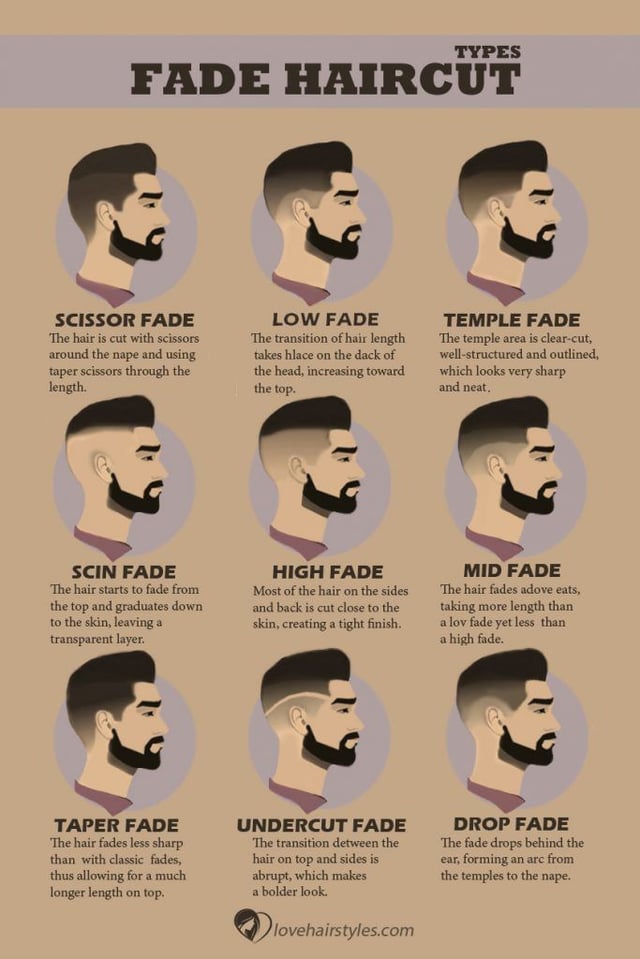
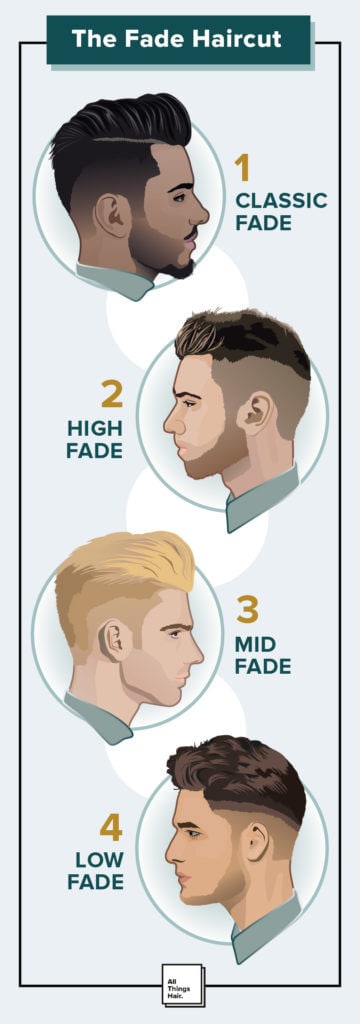
The low fade is the perfect entry point for those who want a subtle, sophisticated look. This cut starts just above the ears and follows the hairline down to the nape of the neck. It is highly versatile and works exceptionally well with longer hair on top, such as a quiff or a textured crop. Because it doesn’t expose too much skin, it is a favorite for professional environments.
2. The Mid Fade
As the name suggests, the mid fade lands right in the “sweet spot.” Starting around the temples, this cut offers a modern, balanced aesthetic. It provides enough contrast to look sharp and clean without being as aggressive as a high fade. If you are unsure which fade suits your face shape, the mid fade is statistically the safest and most flattering choice for the majority of men.
3. The High Fade
For those who want to make a statement, the high fade is the go-to. This style starts high up on the sides and back, often near the crown, creating a drastic contrast between the top and the sides. It is an edgy, high-maintenance look that highlights the bone structure of the face. In 2026, we are seeing many high fades paired with intricate line designs and hard parts to add extra personality.
Popular Fade Variations to Elevate Your Look
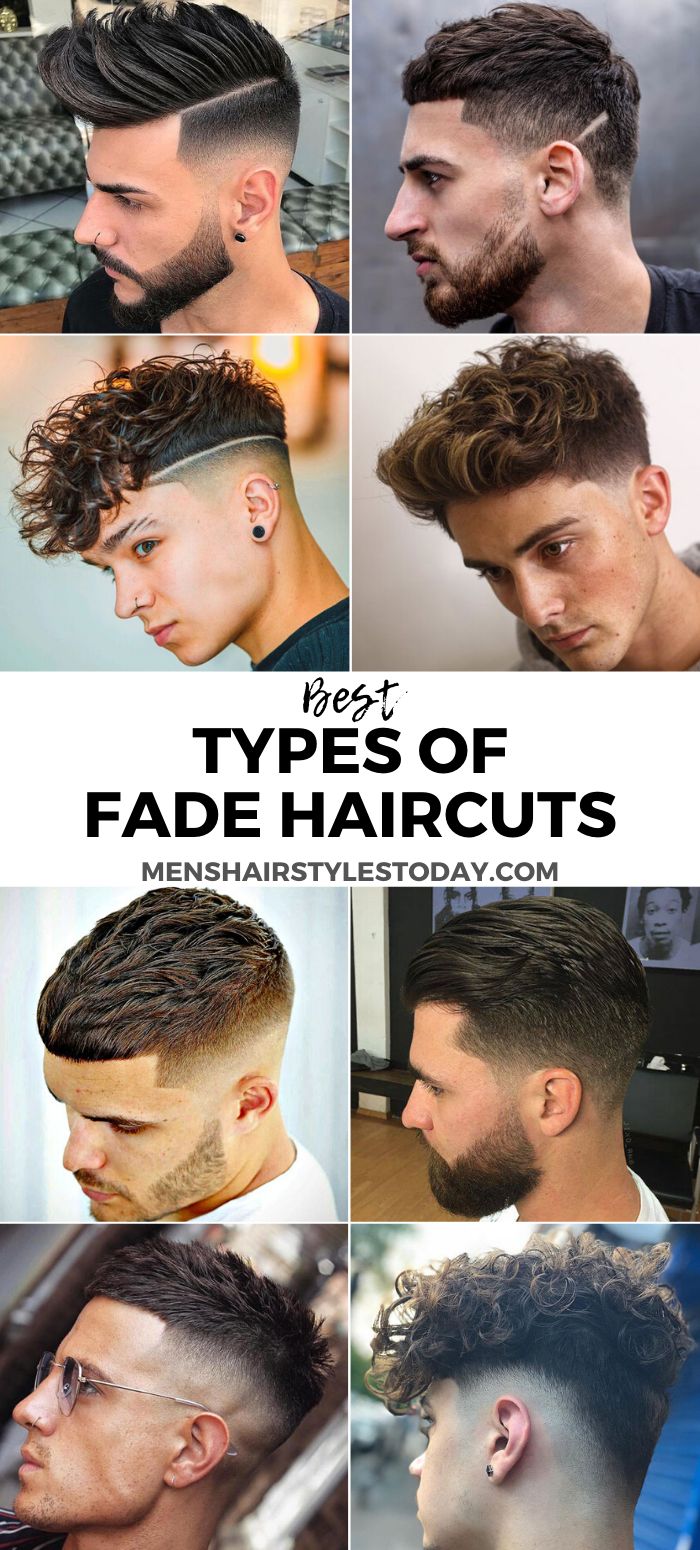
Once you have chosen your base fade level, you can customize the aesthetic with specific different kinds of fades haircut variations. These styles are trending heavily in 2026 for their ability to add texture, movement, and unique geometry to a standard haircut.
The Drop Fade
The drop fade is characterized by the way the fade line “drops” or curves behind the ear, following the natural shape of the skull. This creates a visually interesting arc that looks great from every angle. It is particularly popular for men who want a more customized, flowing look that breaks away from the traditional horizontal fade line.
The Temple Fade (Taper Fade)
Often referred to as the “Brooklyn fade” or “temp fade,” the temple fade involves a very specific, localized fade around the temples. It is often paired with a lineup or edge-up to create a crisp, sharp finish. This style is excellent for those who want to keep the bulk of their hair length on the sides while still enjoying that clean, faded aesthetic at the front.
The Burst Fade
The burst fade is all about circular motion. The hair is faded in a semi-circle around the ear, leaving the hair longer at the back of the neck. This style is synonymous with the mohawk or the mullet-fade hybrid, which has seen a massive resurgence in 2026. If you have an edgy, creative style, the burst fade is a top-tier choice.
The Skin Fade (Bald Fade)
The skin fade is not a specific placement, but rather a technique where the hair is faded down to the bare skin. This creates the highest level of contrast possible. Whether it is a low, mid, or high fade, taking it to the skin ensures a razor-sharp, ultra-clean result that lasts longer between cuts.
Matching Your Fade to Your Hair Type
Not all different kinds of fades haircut are created equal when it comes to hair texture. Understanding how your hair behaves is crucial for achieving that “fresh from the barber” look every day.
Straight Hair: Straight hair creates the cleanest, most precise fade lines. If you have straight hair, you can experiment with hard parts and geometric designs because the hair will naturally lay flat and show off the detail.
Wavy Hair: Wavy hair adds a layer of texture to the top of the head. A mid fade works beautifully here, as it provides a structured base that prevents the wavy hair from looking unkempt.
- Curly/Coily Hair: For those with tighter curl patterns, a taper fade or a burst fade is often the best choice. These cuts work with the volume of the hair rather than against it, keeping the sides tight while allowing the curls on top to be the focal point.
Maintenance and Styling Tips for 2026
A fade is only as good as its maintenance. Because the hair is cut so close to the scalp, the “freshness” of a fade usually lasts between one to two weeks. To keep your look sharp throughout the month, follow these professional tips:
- Invest in a Quality Trimmer: If you are comfortable with DIY maintenance, a high-quality home trimmer can help you clean up your neckline and behind the ears between professional visits.
- Product Selection: Use a matte pomade or sea salt spray for textured, messy styles, or a high-shine pomade for a slick, formal look. Avoid heavy gels that can make a fade look greasy.
- Regular Visits: If you want to maintain a consistent high-contrast look, schedule your barbershop visits every 10 to 14 days. Consistency is the secret behind the sharpest-looking fades you see on social media.
- Consult Your Barber: Always bring a reference photo. In 2026, terminology can vary; showing your barber a picture ensures you are both on the same page regarding the height and intensity of the fade.
Why the Fade Remains the King of Men’s Haircuts
The reason the fade has dominated men’s fashion for years—and will continue to do so through 2026—is its incredible adaptability. It is a style that transcends age, profession, and personal aesthetic. Whether you are an athlete, a businessman, or an artist, there is a variation among the different kinds of fades haircut that will elevate your appearance.
The fade is more than just a haircut; it is a foundation. It allows you to express yourself through the top section of your hair while keeping the sides clean, managed, and professional. As we look at the trends for the remainder of 2026, we see a shift toward more natural, textured tops paired with precision-engineered different kinds of fades haircut. This combination of “messy” and “sharp” is the ultimate style statement for the modern man.
Conclusion
Finding the perfect different kinds of fades haircut is a journey of experimentation. Don’t be afraid to try a mid fade if you’ve always done a low fade, or to incorporate a drop fade into your next cut to see how it changes your profile. By understanding the differences between low, mid, and high fades, and knowing which different kinds of fades haircut variations like the burst or temple fade suit your hair type, you are well-equipped to walk into any barbershop with confidence.
Remember, the best haircut is the one that makes you feel the most like yourself. Use this guide as your roadmap for 2026, keep your maintenance routine consistent, and enjoy the sharp, clean, and stylish look that only a professional fade can provide.