
The high and tight fade haircut has evolved from its rigid military origins into one of the most versatile and requested styles in modern men’s grooming. As we step into 2026, this cut remains the gold standard for men who prioritize a clean, low-maintenance, and undeniably masculine aesthetic. Whether you are looking for a sharp, professional look for the office or a rugged, athletic style for the gym, the high and tight delivers precision like no other.
In this comprehensive guide, we will break down everything you need to know about mastering this look, selecting the right guard sizes, and choosing a variation that perfectly complements your unique face shape.
Understanding the High and Tight Fade
At its core, the high and tight is defined by a drastic contrast. The sides and back of the head are clipped extremely short—often down to the skin—while the hair on the crown remains slightly longer. When you introduce a fade, you are essentially blending those short sides into the longer top with a seamless transition, creating a gradient effect that is both polished and eye-catching.
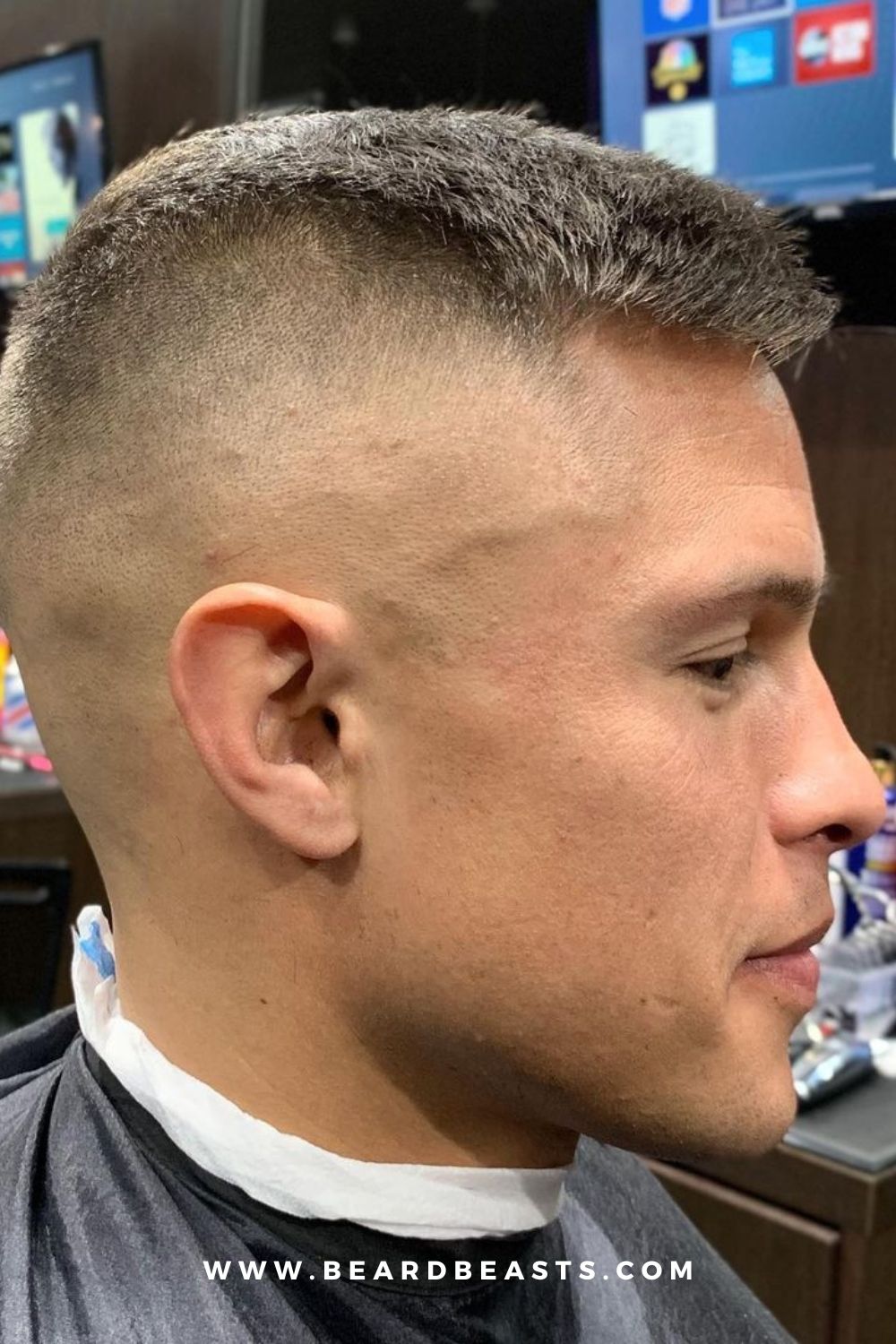
Unlike a standard taper, a fade requires high-level technical skill. By 2026, the trend has shifted toward “soft” transitions where the skin-to-hair gradient is almost imperceptible. This creates a modern high and tight fade that looks intentional, sharp, and perfectly groomed.
High and Tight vs. Standard Fade: What’s the Difference?
Many men confuse the two, but the distinction lies in the placement of the blend. A traditional high fade starts high up on the sides, often near the temple or the parietal ridge. A high and tight is a specific subset of this; it specifically focuses on keeping the sides very short and tight to the head, creating a high-contrast boxy or rounded shape on top.
Standard Fade: Can be low, mid, or high. It is more about the transition than the specific length on top.
High and Tight: It is a structural style. It emphasizes the “tightness” of the sides to make the top hair look thicker and more voluminous by comparison.
Choosing between them often depends on your head shape. If you have a rounder face, a high and tight is often superior because it creates vertical lines that elongate your features, giving you a more chiseled, angular appearance.
9 Proven High and Tight Fade Styles for 2026
Not all fades are created equal. Depending on your hair texture and personal style, you might want to experiment with different variations. Here are the top 9 styles currently trending:
- The Military Classic: The quintessential look. Very short on top, skin fade on the sides. Zero maintenance required.
- The Textured Crop: Ideal for guys with wavy or thick hair. The top is cut with point-cutting techniques to add movement.
- The Pompadour High and Tight: A bold mix of a 50s classic and a modern fade. Requires a bit of pomade for styling.
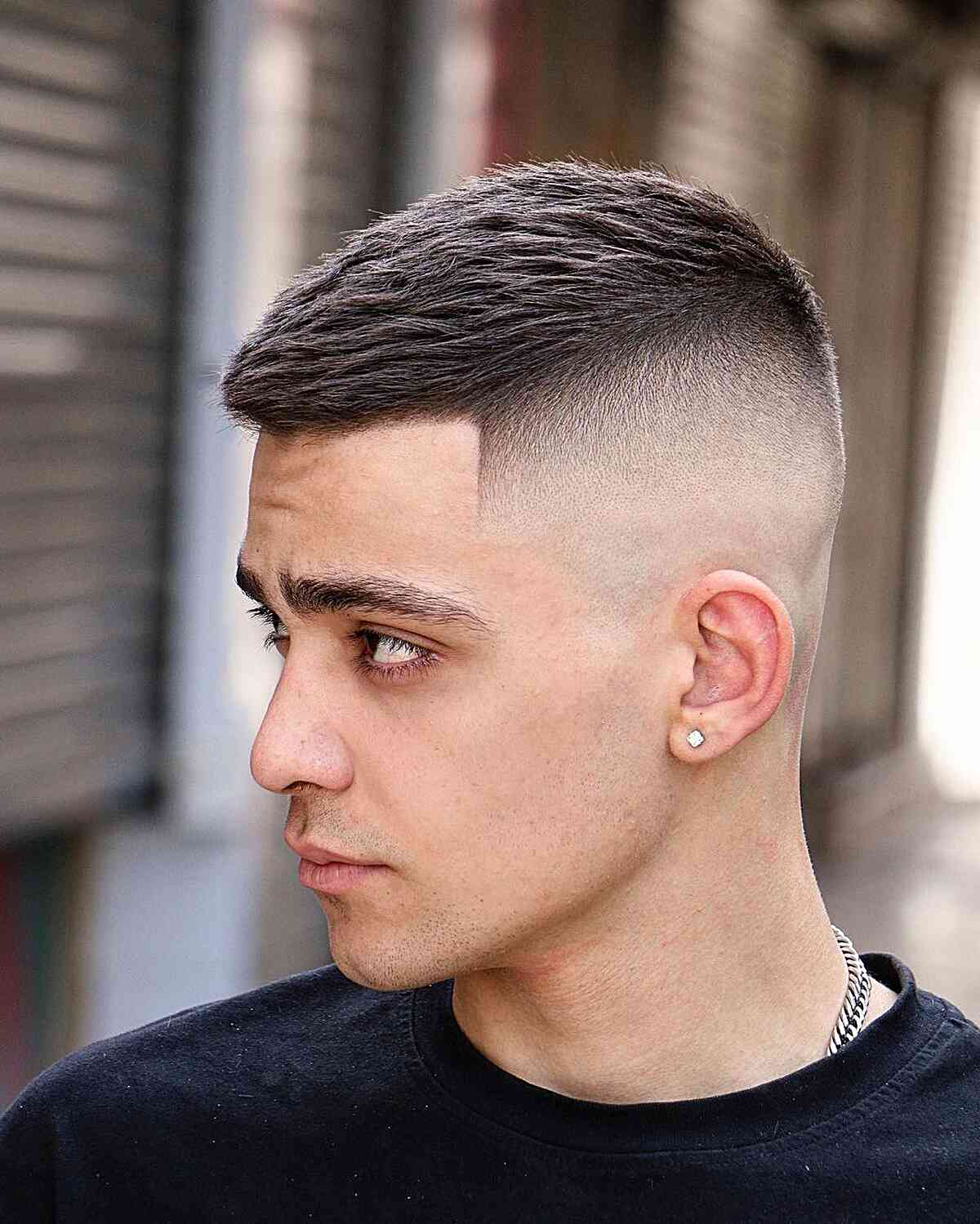
- The Hard Part Fade: A razor-sharp line is shaved into the side, creating a clear separation between the fade and the top.
- The Burst Fade High and Tight: The fade curves around the ear, creating a “burst” effect. Great for those with a wider head shape.
- The Caesar Cut Blend: A short, horizontal fringe that pairs perfectly with a high skin fade.
- The Ivy League High and Tight: Slightly longer on top, allowing for a side-swept look while keeping the sides ultra-clean.
- The Skin Taper Fade: A more subtle version where the fade drops slightly toward the nape of the neck.
- The Disconnected High and Tight: A deliberate lack of blending between the top and the sides for an edgy, rebellious look.
How to Talk to Your Barber: The 2026 Script
Communication is the most common point of failure when getting a new haircut. To ensure you get exactly what you want, don’t just say “make it short.” Use these specific terms:
“I want a skin fade high and tight.” (This tells the barber you want the sides taken down to the blade).
“Keep the top textured with a #4 guard.” (This specifies the length on top).
“Can we keep the transition smooth?” (This ensures they don’t leave a “shelf” or a harsh line between the fade and the top).
“I have a [round/oval/square] face—what do you recommend for the fringe?” (Asking for professional input helps tailor the cut to your anatomy).
Pro Tip: Always bring a photo. Visual references are 100% more effective than verbal descriptions. Search for “high and tight fade 2026” on your phone and show your barber the exact angle you prefer.
Styling and Maintenance Tips
While the high and tight is considered a “low-maintenance” haircut, it is not “no-maintenance.” Because the sides are so short, they will begin to look overgrown within 10 to 14 days.
Daily Styling
For the Textured Look: Use a matte clay or sea salt spray. These products provide hold without the greasy shine, making your hair look natural and voluminous.
For the Sleek Look: A high-quality pomade or grooming cream will keep every hair in place. Apply to damp hair and use a fine-tooth comb for a sharp finish.
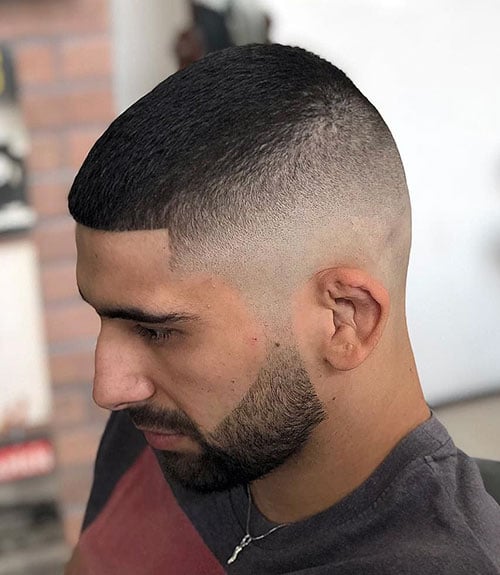
Beard Pairing: If you have a beard, the high and tight fade is your best friend. A sharp fade creates a clean line from your sideburns into your beard, which is currently the most popular look for 2026. Keep the beard edges lined up to maintain that “fresh-cut” feel.
Maintenance Frequency
If you want to keep your high and tight fade looking perfect, you should plan on a visit to the barber every 2 to 3 weeks. If you wait longer, the sides will lose their crispness, and the “tight” part of the haircut will disappear.
Choosing Based on Your Face Shape
Your face shape is the most important factor in how a haircut will sit. Here is how to adapt the high and tight for you:
Oval Faces: You are lucky. Almost any variation of the high and tight will suit you. Try the textured crop for a modern look.
Square Faces: Emphasize your jawline by keeping the sides very tight. A slightly longer top can help soften the angles if you prefer a less aggressive look.
Round Faces: Go for a higher fade to add height. Avoid adding too much volume on the sides, as this will make your face appear wider.
- Heart-Shaped Faces: Keep the top slightly longer to balance out a narrower chin. The fade should be clean but not so high that it exposes too much of the forehead.
The Evolution of the Fade: What’s New in 2026?
In 2026, we are seeing a move away from the “over-processed” look. Barbers are using more natural techniques—less heavy gel, more emphasis on hair health, and a focus on “flow.”
The high and tight fade is also seeing a resurgence in professional settings. It is no longer just for the military or athletes; it is the go-to style for tech entrepreneurs and corporate professionals who want to look disciplined and put-together. This cut signals that you are someone who pays attention to detail—a trait that is highly valued in the modern workplace.
Common Mistakes to Avoid
- Going Too High: If the fade goes too far up toward the crown, you risk the “mushroom” effect, where the top hair looks like it is floating.
- Ignoring the Neckline: A sharp neck taper is just as important as the side fade. Ensure your barber cleans up the nape of your neck properly.
- Poor Product Choice: Using a high-shine gel on a messy, textured top will ruin the effect. Stick to matte products for 2026 trends.
- Skipping the Beard Line: If you have facial hair, it needs to be integrated. An unkempt beard with a sharp fade creates a jarring contrast that looks messy.
Final Verdict: Is the High and Tight Right for You?
The high and tight fade haircut is more than just a trend; it is a timeless solution for men who want to look sharp, confident, and professional. By choosing the right variation for your face shape and keeping up with your bi-weekly barber visits, you can maintain a look that is consistently “fresh.”
Whether you go for the classic military aesthetic or a modern, textured variation, the key is in the execution. Find a barber who understands the geometry of your head, use the right matte styling products, and embrace the clean, high-contrast look that defines the best of men’s grooming in 2026.