
The fade haircut has officially cemented its status as the gold standard of men’s grooming. As we move deeper into 2026, the versatility of the fade continues to evolve, blending classic barbering techniques with modern, edgy precision. Whether you are looking for a professional, office-ready look or a bold, statement-making style, understanding the nuances of different fade types is essential before you sit in the barber’s chair.
A fade is essentially a gradient transition where hair length gradually shortens from the top of the head down toward the neckline. By mastering the art of the blend, barbers can create clean, sharp, and highly customizable silhouettes. In this guide, we will break down everything you need to know about the most popular fade variations to help you achieve your best look yet.
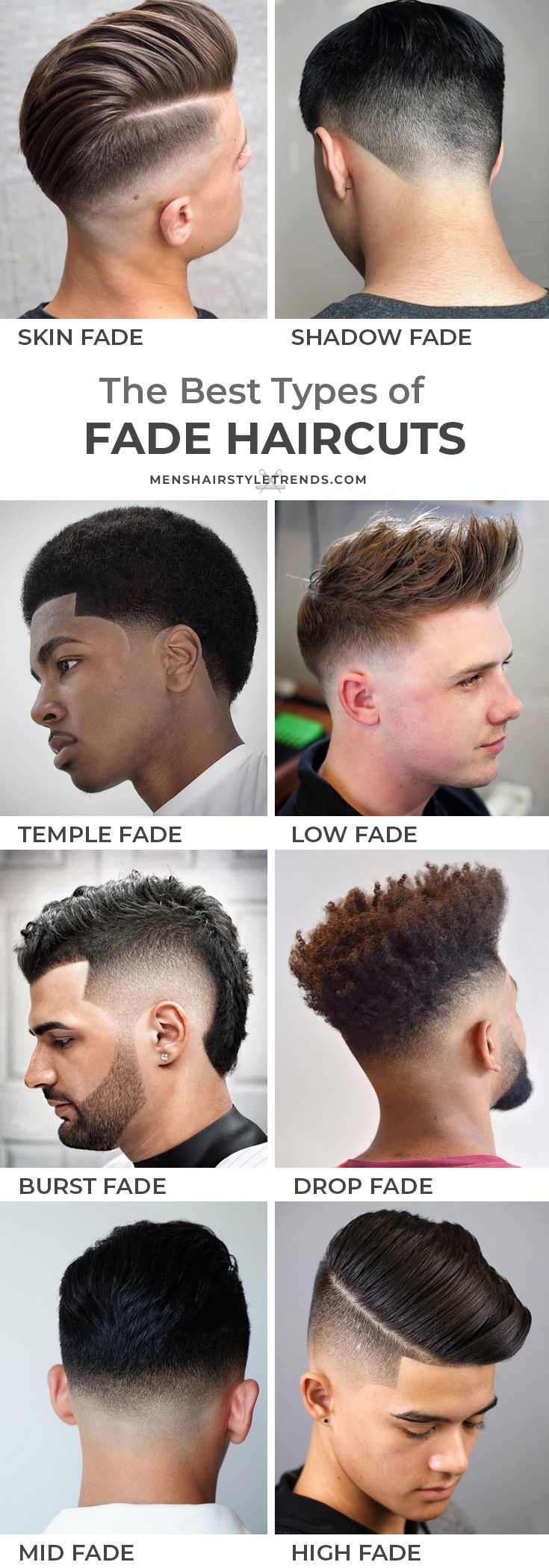
Understanding the Fundamentals: What is a Fade?
At its core, a fade is a technical haircut that requires high levels of precision. Unlike a simple taper, which is a shorter, more conservative cut, a fade involves blending the hair down to the skin or a very short length using clippers. According to expert cosmetologists, the secret to a great fade lies in the “transition zone”—the area where the hair length changes.
When choosing your style, you must consider three primary factors: your face shape, your hair texture, and your lifestyle. A high-contrast skin fade might look fantastic on a square face shape, while a softer, low-taper fade may better suit someone with a rounder face profile. By communicating clearly with your barber, you ensure the final result complements your unique features.
1. The Classic Low Fade: Subtle and Sophisticated
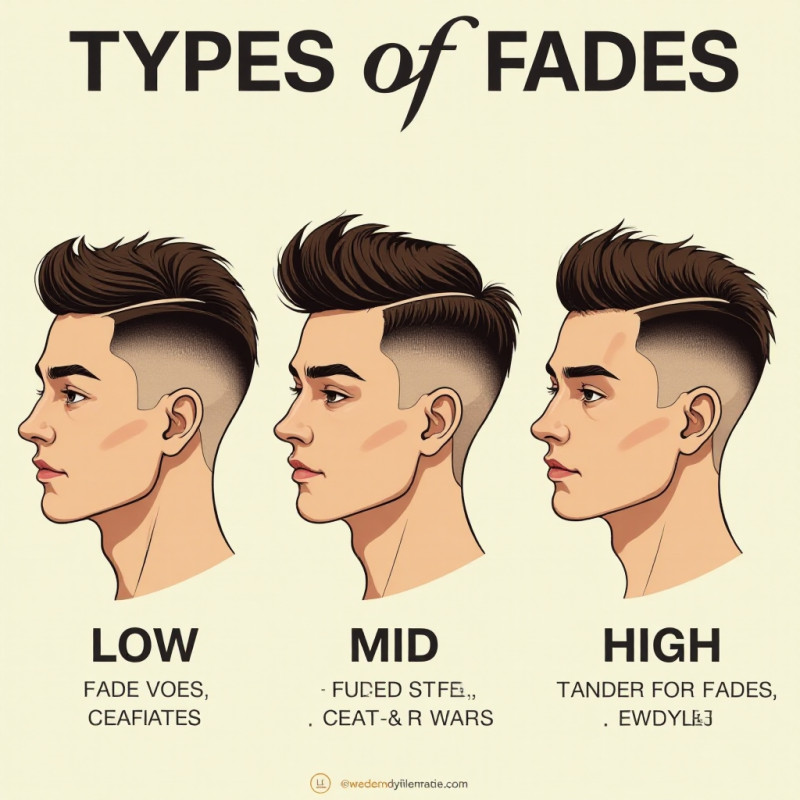
The low fade is the perfect entry point for those new to the world of fades. This style begins the transition very close to the ears and neckline, keeping the majority of the hair length on the sides. It is a refined, low-maintenance option that works incredibly well in corporate environments.
Who it’s for: Men who want a clean look without exposing too much scalp.
Best paired with: A textured crop, a classic side part, or a messy quiff.
- Maintenance: Because the fade is lower, it tends to grow out more gracefully than higher variations, meaning you can often wait an extra week between appointments.
2. The High Fade: Bold and High-Contrast
If you are looking for a haircut that makes a statement, the high fade is your best bet. In this style, the blending starts much higher up on the head, near the temples and the crown. This creates a dramatic contrast between the short sides and the longer hair on top.
The high fade is particularly effective for elongating the face, making it a great choice for those with rounder face shapes. It is a sharp, aggressive, and modern cut that demands regular upkeep to keep the edges crisp. In 2026, many men are pairing the high fade with intricate hair designs or “hard parts” to add an extra layer of personalization.
3. The Mid Fade: The Perfect Middle Ground
The mid fade is widely considered the most versatile of all fade types. By starting the transition halfway up the sides of the head—roughly around the temples—it bridges the gap between the subtlety of the low fade and the boldness of the high fade.
Statistics from top-tier barbershops indicate that the mid fade remains the most requested cut for 2026. It is incredibly adaptable, looking just as good with a slicked-back pompadour as it does with a natural, curly top. If you are indecisive about which fade to choose, the mid fade is a safe, stylish, and universally flattering choice.
4. The Drop Fade: Precision and Flow
The drop fade is a unique variation where the fade line “drops” behind the ear, following the natural curve of the skull. This creates a distinct arc that draws the eye and adds a level of geometric interest to the haircut.
This style works exceptionally well for men with thick, wavy, or curly hair, as the drop allows the barber to create a cleaner line around the nape of the neck. It is a sophisticated look that requires a steady hand and a high level of technical skill, so be sure to visit an experienced barber for this specific cut.
5. The Burst Fade: The Modern Edge
The burst fade is characterized by a semi-circle fade that “bursts” around the ear, leaving the hair longer at the back of the neck. Originally popularized by the mohawk and faux-hawk community, it has evolved into a staple for trendy, urban styles.
In 2026, the burst fade is often combined with a mullet or a textured top, creating a hybrid look that feels fresh and rebellious. It is an excellent way to add volume and character to your hair, especially if you have a mid-length style that you want to keep interesting.
Tips for Maintaining Your Fade in 2026
Achieving the perfect fade is only half the battle; maintaining it is where the real work begins. Because a fade relies on precise blending, even a few days of growth can make the style look less intentional. Here are three expert tips for keeping your fade sharp:
- Invest in Quality Products: Use a lightweight matte pomade or a sea salt spray to maintain texture on top without weighing down the fade.
- Frequency is Key: To keep a skin fade looking pristine, most men need a touch-up every 10 to 14 days. If you opt for a taper or a low fade, you can often push this to 3 weeks.
- Communication with Your Barber: Don’t just say “give me a fade.” Use specific terminology. Tell your barber, “I want a mid-skin fade with a textured crop on top.” Bringing a reference photo is the single most effective way to ensure you get exactly what you want.
Why the Fade Remains King
The fade haircut is not just a trend; it is a fundamental pillar of modern men’s hairstyling. Its ability to provide a clean, structured base allows for endless creativity on top. Whether you choose to rock a buzz cut, a pompadour, or a textured fringe, the fade acts as the perfect frame for your hair.
As we look at the landscape of 2026, we see a shift toward more natural, flowing tops paired with high-contrast, perfectly blended sides. This “business on the sides, party on top” approach is defining the current era of men’s grooming. By choosing the right type of fade, you are not just getting a haircut—you are investing in a look that enhances your confidence and complements your personal style.
Conclusion: Choosing Your Next Look
With so many different types of fade haircuts available, there is truly a style for every man. From the professional low fade to the edgy burst fade, the options are limited only by your imagination and your barber’s skill. Remember that the best haircut is the one that makes you feel the most like yourself.
Before your next appointment, take a moment to consider your hair texture and how much time you are willing to spend styling it each morning. Do you want something that looks great right out of the shower, or are you willing to put in the time with a hairdryer and product? Once you have your answer, pick your favorite fade from this list and book that chair. A fresh, sharp fade is the ultimate confidence booster—make sure your next visit to the barbershop counts.