
The mid fade haircut for curly hair has officially cemented its place as the gold standard in men’s grooming for 2026. By perfectly balancing the chaotic, voluminous nature of natural curls with the sharp, clean precision of a mid-level fade, this style offers a versatile solution for every hair texture. Whether you are rocking tight coils, loose waves, or a classic afro, the mid fade provides a structured frame that elevates your entire aesthetic.
In this guide, we dive deep into why this cut is dominating the barbershop charts in 2026 and how you can achieve a flawless look that fits your unique face shape.
Why the Mid Fade is the Perfect Match for Curly Hair
For years, men with curly hair struggled with the “triangle effect”—where hair grows outward rather than downward, leading to unmanageable volume. The mid fade haircut solves this by removing bulk from the sides and back, starting at the temple and tapering down toward the ears.
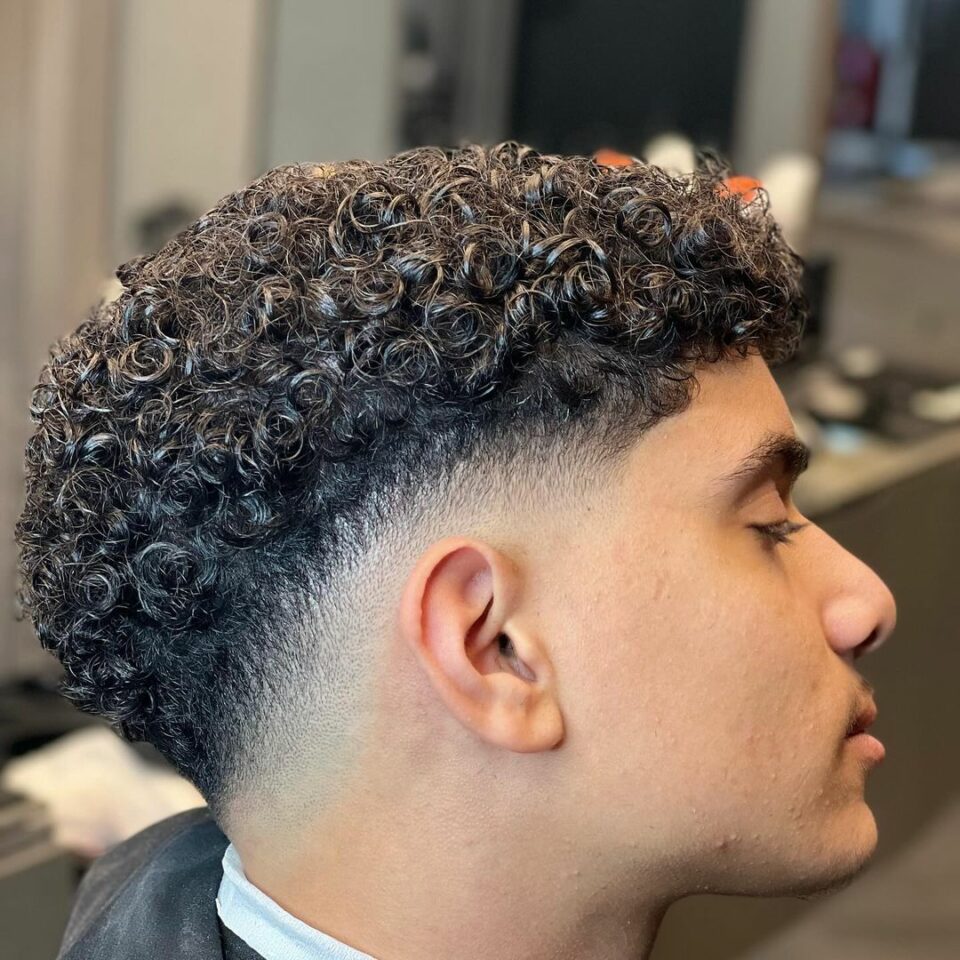
This technique creates a natural contrast that draws the eye upward, highlighting the texture and definition of your curls on top. Because the fade sits right in the middle of the head—not too high, not too low—it is universally flattering for oval, square, and round face shapes. It provides a professional, “office-ready” look while still maintaining the edgy, modern vibe that curly hair is known for.
Top 3 Variations of the Mid Fade for 2026
When heading to your barber, it helps to know exactly what you are looking for. Here are the most popular variations currently trending in 2026:
1. The Mid Taper Fade
The mid taper fade is for those who prefer a more subtle transition. Instead of taking the hair down to the skin across the entire side, the barber focuses on tapering the edges (the sideburns and neckline). This leaves more hair density around the parietal ridge, which is perfect if you want to maintain a fuller, more “natural” silhouette while still reaping the benefits of a clean-cut fade.
2. The Mid Skin Fade
If you are looking for a high-contrast, bold statement, the mid skin fade is your go-to. By shaving the hair down to the skin starting at the mid-point, you create a sharp line of demarcation that makes your curls pop. This style is exceptionally low-maintenance on the sides, allowing you to focus all your styling efforts on the top.
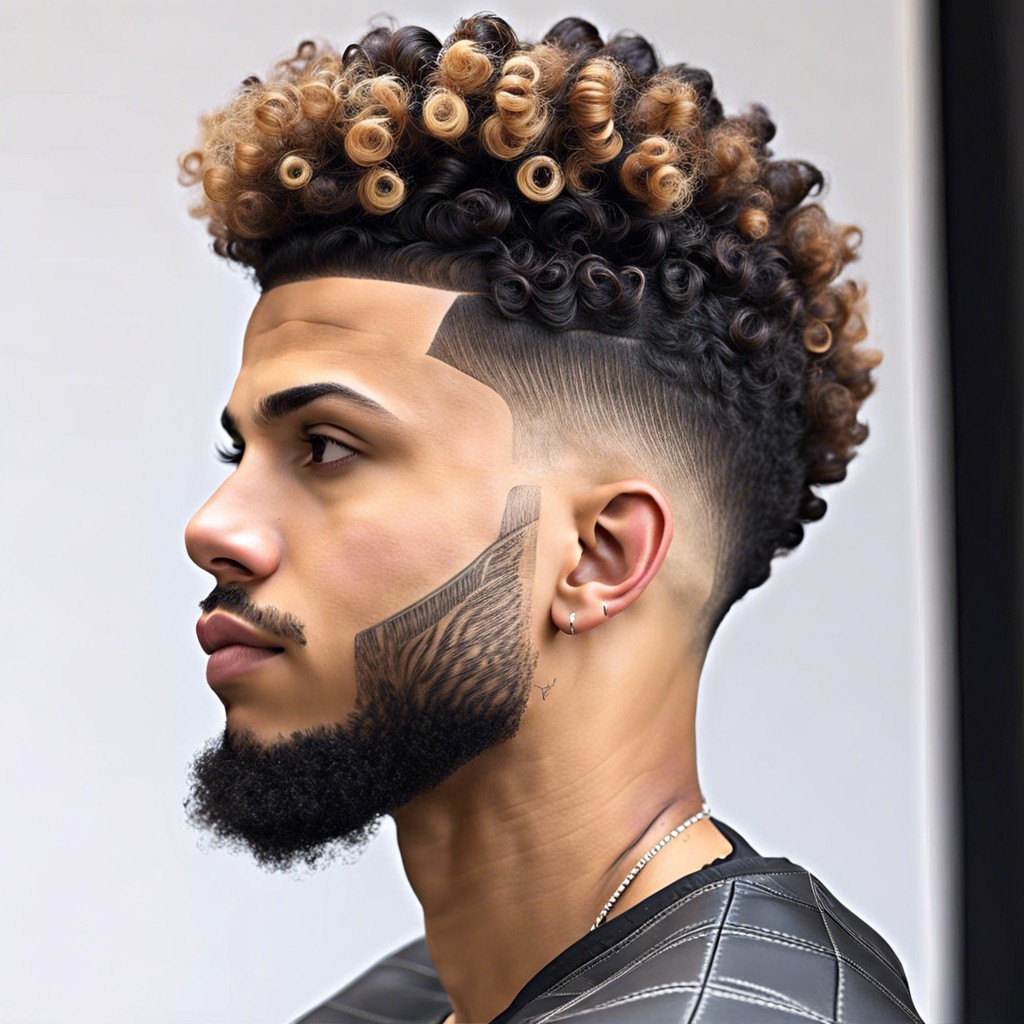
3. The Burst Mid Fade
Popularized by the “curly mullet” and mohawk-inspired trends of 2026, the burst fade curves around the ear, leaving the hair at the nape of the neck longer. This creates a dramatic, artistic shape that looks incredible with tight ringlets or coiled textures.
Maintaining Your Curls: The 2026 Routine
A haircut is only as good as the care you put into it. Curly hair requires different hydration levels than straight hair, and a mid fade exposes your scalp and sides, making skin health just as important as hair health.
Hydration is Key: Use a sulfate-free shampoo to avoid stripping your natural oils. In 2026, leave-in conditioners and curl creams are essential for maintaining the bounce of your curls throughout the day.
The “Scrunch” Technique: To define your curls after washing, apply a styling mousse or cream to damp hair and “scrunch” it upwards toward your scalp. This helps the curls clump together rather than frizzing out.
Barber Visits: Because the mid fade relies on a clean transition, you should aim to visit your barber every 2 to 3 weeks for a touch-up. Allowing the fade to grow out too long can ruin the sharp, intentional look of the cut.
Styling for Different Face Shapes
Not every mid fade is created equal. Understanding your face shape can help you customize the length on top:
Round Face: Go for more height on top. Keep the curls slightly tighter on the sides and voluminous at the crown to elongate your facial structure.
Square Face: A mid fade with a textured crop on top works wonders. It softens the jawline while maintaining a masculine, structured appearance.
Oval Face: You are in luck—almost any variation of the mid fade will look great. You can experiment with longer, looser curls or a tighter, shorter top.
Expert Tips for Discussing Your Cut with a Barber
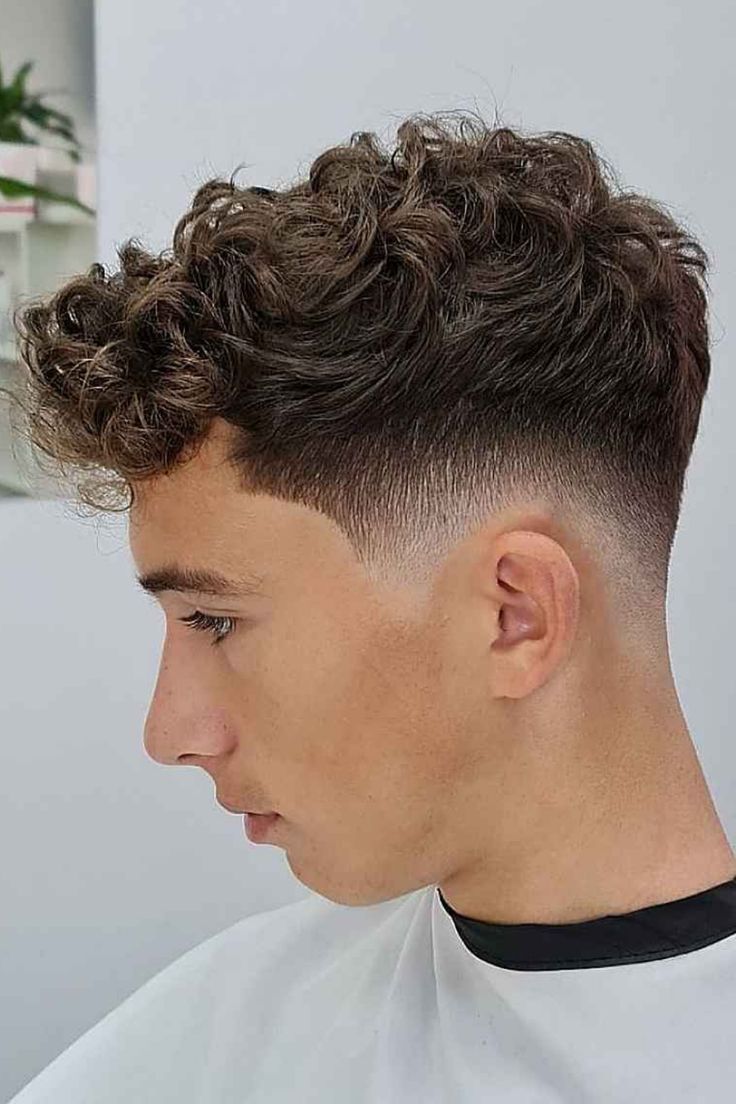
When you sit in the chair, communication is everything. Don’t just say “mid fade.” Bring a reference photo (like the ones in this article!) and be specific about the “weight” of the hair you want to keep.
Ask your barber:
- “Where should the fade start to best suit my head shape?”
- “Should we use a guard or a straight razor for the fade?”
- “How much length should we remove from the top to maintain my curl pattern?”
By asking these questions, you ensure that the barber understands your goals. Remember, the mid fade haircut for curly hair is a blend of science and art—the fade is the science of precision, and your curls are the art of texture.
Why 2026 is the Year of the Curly Fade
The shift in 2026 has been toward authenticity. Men are embracing their natural hair textures more than ever before. The mid fade is the ultimate tool for this movement because it doesn’t force your hair into a box; instead, it provides a clean, modern frame that celebrates your natural identity.
Statistics from top grooming salons indicate that over 65% of men with curly hair are opting for some form of a fade this year. This is largely due to the convenience factor—spending less time styling the sides and more time rocking a confident, textured look on top.
Conclusion
The mid fade haircut for curly hair is more than just a passing trend; it is a versatile, sophisticated, and functional choice for the modern man. Whether you opt for a subtle taper or a bold skin fade, the key to success lies in consistent maintenance and the right styling products.
As we move through 2026, don’t be afraid to experiment with your length and texture. Your curls are your signature, and with the right mid fade, you can ensure that your hair looks sharp, clean, and perfectly defined every single day. Visit your barber, show them your inspiration, and step out with the confidence that only a fresh, well-executed haircut can provide.
Deep Dive into Styling Products and Techniques for Defined Curls
While the article touches on the importance of styling products, let’s explore this crucial aspect in greater detail, understanding that not all curly hair is created equal. The effectiveness of your mid fade haircut with curly hair heavily relies on how you treat and style the textured top.
Understanding Your Curl Type and Product Selection:
The curly hair spectrum ranges from loose waves (2A-2C) to tight coils and kinky hair (3A-4C). Each type benefits from specific product formulations:
Loose Waves (2A-2C): These curls can easily be weighed down. Opt for lightweight mousses, sea salt sprays for texture, or light curl creams. The goal is definition without sacrificing volume.
Medium Curls (3A-3C): This is where curl creams and gels truly shine. Look for products that offer a good balance of moisture and hold. Gels can provide strong cast and definition, while creams ensure softness and hydration.
Tight Coils & Kinky Hair (4A-4C): These hair types require maximum moisture and strong hold to combat shrinkage and define intricate patterns. Rich leave-in conditioners, heavy curl creams, butters, and strong-hold gels are essential. Layering products (LOC method: Liquid, Oil, Cream) can be highly beneficial.
Application Techniques for Optimal Definition:
- Start on Soaking Wet Hair: Most curl products work best when applied to hair that is dripping wet. This helps to clump curls together, reducing frizz and enhancing definition.
- Raking vs. Scrunching:
Raking: Distribute product evenly by raking it through your hair with your fingers, section by section. This helps to detangle and coat every strand.
Scrunching: After raking, gently scrunch your hair upwards towards the scalp. This encourages the curl pattern to spring up and form. For tighter curls, you might even finger coil individual sections for maximum definition.
- The “Praying Hands” Method: Apply product by sandwiching sections of hair between your palms and gliding down the length, then gently scrunch. This minimizes frizz by not disturbing the curl pattern too much.
- Even Distribution is Key: Ensure product reaches all parts of your curls, not just the top layer. This prevents uneven definition and frizz.
Drying Methods for Frizz-Free Curls:
Air Drying: The most gentle method, but can take a long time and sometimes lead to less volume at the roots. Avoid touching your hair while it air dries to prevent frizz.
Diffusing: A diffuser attachment on a hairdryer is a curly-haired person’s best friend.
Low Heat, Low Speed: Always use the lowest heat and speed settings to prevent heat damage and frizz.
Hover Diffusing: Start by hovering the diffuser around your head to dry the outer layer of curls without disturbing them.
Plopping: Gently cup sections of hair with the diffuser bowl and lift towards the scalp. Hold for a few seconds, then move to the next section. This creates volume and definition.
Scrunch Out the Cast: Once your hair is completely dry, if you used a gel that created a “cast” (a crunchy feeling), gently scrunch your hair to break the cast and reveal soft, defined curls.
Refreshing Curls Between Wash Days:
To maintain definition and reduce frizz, invest in a spray bottle filled with water, possibly mixed with a light leave-in conditioner or curl refresher spray. Lightly mist your curls, then gently scrunch to reactivate the product and reshape the curls. This can extend the life of your style for several days.
Tailoring the Mid Fade to Your Unique Curl Pattern: A Personalized Approach
While the mid fade is versatile, its execution can be subtly adjusted to best complement different curl patterns, hair density, and head shapes. This is where a skilled barber truly shines.
For Looser Waves (2A-2C): A mid fade with a slightly longer transition into the wavy top can create a softer, more natural blend. The contrast will be less stark, emphasizing the relaxed flow of the waves. The top might be left longer to allow for more movement and styling versatility, perhaps pushed back or to the side.
For Medium Curls (3A-3C): This curl type often has good volume and definition, making it ideal for a classic mid fade. The fade can be a clean, crisp transition, allowing the defined curls on top to be the focal point. The length on top can vary from a few inches for a neat look to significantly longer for a dramatic, voluminous effect.
For Tight Coils & Kinky Hair (4A-4C): These textures offer incredible volume and unique patterns. A mid fade here provides a sharp contrast, highlighting the intricate texture of the coils. Barbers might use specific techniques to ensure a smooth blend despite the hair’s natural tendency to coil tightly. Due to shrinkage, the top might need to be left longer than anticipated to achieve the desired visual length. The fade often serves to create a clean canvas that elevates the texture above.
Considerations Beyond Curl Pattern:
Hair Density: Thicker hair can support a more aggressive fade, while finer hair might benefit from a more gradual transition to maintain a sense of fullness.
Head Shape: A good barber will consider your head shape. The mid fade can be adjusted slightly higher or lower, or the top length varied, to flatter your unique bone structure and create a balanced silhouette.
Lifestyle: If you prefer a low-maintenance style, a shorter top might be more suitable. For those who enjoy styling, a longer top offers more flexibility.
The Crucial Role of the Barber and Effective Communication
Your barber is your partner in achieving the perfect mid fade with curly hair. Effective communication is paramount to avoid misunderstandings and ensure you walk out with the haircut you envisioned.
- Visual References are Non-Negotiable: Don’t just describe; show. Bring multiple pictures of mid fades on curly hair that you admire. Point out specific elements you like (e.g., the exact fade height, the length on top, the sharpness of the line-up).
- Learn the Lingo: Familiarize yourself with basic barber terminology.
“Mid fade”: Specifies where the fade starts.
“Skin fade” vs. “taper fade”: Do you want it bald at the bottom or just very short?
“Length on top”: Be specific with inches or finger lengths. “A few inches” is better than “short.”
“Line-up” or “edge-up”: Do you want a sharp, defined hairline around the temples and forehead?
- Discuss Your Hair’s Characteristics: Inform your barber about your curl pattern, how your hair shrinks, and any cowlicks or growth patterns they should be aware of. A good barber will often wet your hair to assess its natural curl pattern before cutting.
- Be Open to Professional Advice: While you have your vision, your barber’s experience with different hair types and head shapes is invaluable. They might suggest slight modifications that would better suit you.
- Check-In During the Cut: Don’t be afraid to politely ask for clarification or adjustments during the process, especially as the fade is being created. It’s easier to make minor changes mid-cut than to fix a finished one.
- Post-Cut Consultation: Ask your barber for product recommendations and styling tips tailored to your new cut and hair type. They can often demonstrate application techniques.
Beyond the Cut: Long-Term Maintenance and Hair Health
A great haircut is only half the battle; maintaining its integrity and the health of your curls is an ongoing commitment.
Regular Barber Visits: To keep the fade sharp and clean, plan on visiting your barber every 2-4 weeks, depending on how quickly your hair grows and how crisp you like your fade. Letting it grow out too long can lose the distinct contrast that defines the mid fade.
Moisture is Your Mantra: Curly hair is naturally drier than straight hair.
Sulfate-Free Cleansers: Use shampoos free of harsh sulfates, which can strip natural oils.
Co-Washing: Consider alternating shampoo days with co-washing (conditioner-only washing) to gently cleanse while maintaining moisture.
Deep Conditioning: Incorporate a deep conditioning treatment once a week or bi-weekly to replenish moisture.
Leave-In Conditioners: Essential for daily hydration and protecting curls from environmental damage.
Protect Your Curls:
Satin Pillowcases/Bonnet: Cotton absorbs moisture and creates friction, leading to frizz and breakage. Satin reduces friction and helps retain moisture overnight.
Avoid Over-Brushing: Detangle gently with a wide-tooth comb or your fingers while hair is wet and conditioned. Dry brushing can disrupt curl patterns and cause damage.
Address Common Challenges:
Frizz: Often a sign of dryness or improper product application. Ensure adequate moisture and proper sealing products.
Shrinkage: Embrace it! It’s a natural characteristic of curly hair. For those who want to minimize it, certain styling techniques (like tension methods during drying) or specific products can help.
Scalp Health: A healthy scalp is the foundation for healthy hair. Keep it clean and moisturized.
The Enduring Appeal and Future of the Mid Fade with Curls
The mid fade with curly hair isn’t just a fleeting trend; it has become a modern classic, a testament to its versatility and ability to blend timeless sharpness with contemporary texture. Its popularity continues to surge, driven by several factors:
Versatility: It effortlessly transitions from professional settings to casual outings, from formal events to athletic pursuits. It’s a style that adapts to the wearer’s life, not the other way around.
Celebrity Influence: High-profile athletes, musicians, and actors frequently sport variations of this cut, cementing its status as a stylish and aspirational choice. Their diverse backgrounds also highlight its universal appeal across different demographics.
Embracing Natural Texture: There’s a growing movement towards celebrating natural hair textures. The mid fade allows individuals with curly hair to showcase their unique texture while maintaining a clean, polished aesthetic, countering historical pressures to straighten or minimize curls.
Barber Skill Evolution: As the demand for fades on textured hair has grown, so too has the skill set of barbers. Specialized techniques for blending and lining up curly hair have become more refined, leading to consistently better results.
Looking ahead, we can expect the mid fade with curly hair to remain a cornerstone of men’s grooming. Future iterations might see subtle shifts in top length, perhaps leaning towards slightly longer, more flowing styles with enhanced texture, or incorporating more intricate line designs within the faded areas for an added artistic touch. The core principle, however, will endure: a sharp, clean fade providing the perfect frame for the magnificent dynamism of natural curls.
The mid fade with curly hair is more than just a haircut; it’s a statement of confidence, an embrace of natural beauty, and a testament to meticulous grooming. By understanding your hair, communicating effectively with your barber, and committing to proper maintenance, you unlock the full potential of this iconic style, ensuring your curls are always sharp, defined, and undeniably yours.