
The fade haircut has cemented itself as the gold standard of grooming for Black men. As we navigate through 2026, the versatility of the fade—ranging from subtle, professional taper fades to bold, artistic designs, and even the classic afro fade—continues to dominate the barbershop scene. Whether you are rocking a natural afro, tight waves, or a crisp high-top, the right fade can elevate your entire aesthetic.
In this guide, we will explore the most trending styles, maintenance tips, and how to choose the perfect cut to complement your unique face shape and hair texture. If you are looking to stay sharp and fresh this year, you have come to the right place.
Why the Fade Remains the Top Choice for Black Men
The popularity of the fade isn’t just a trend; it is a testament to its timeless, masculine charm. A fade works by blending the hair on the sides and back of the head from short to shorter, creating a seamless transition that highlights your facial structure.
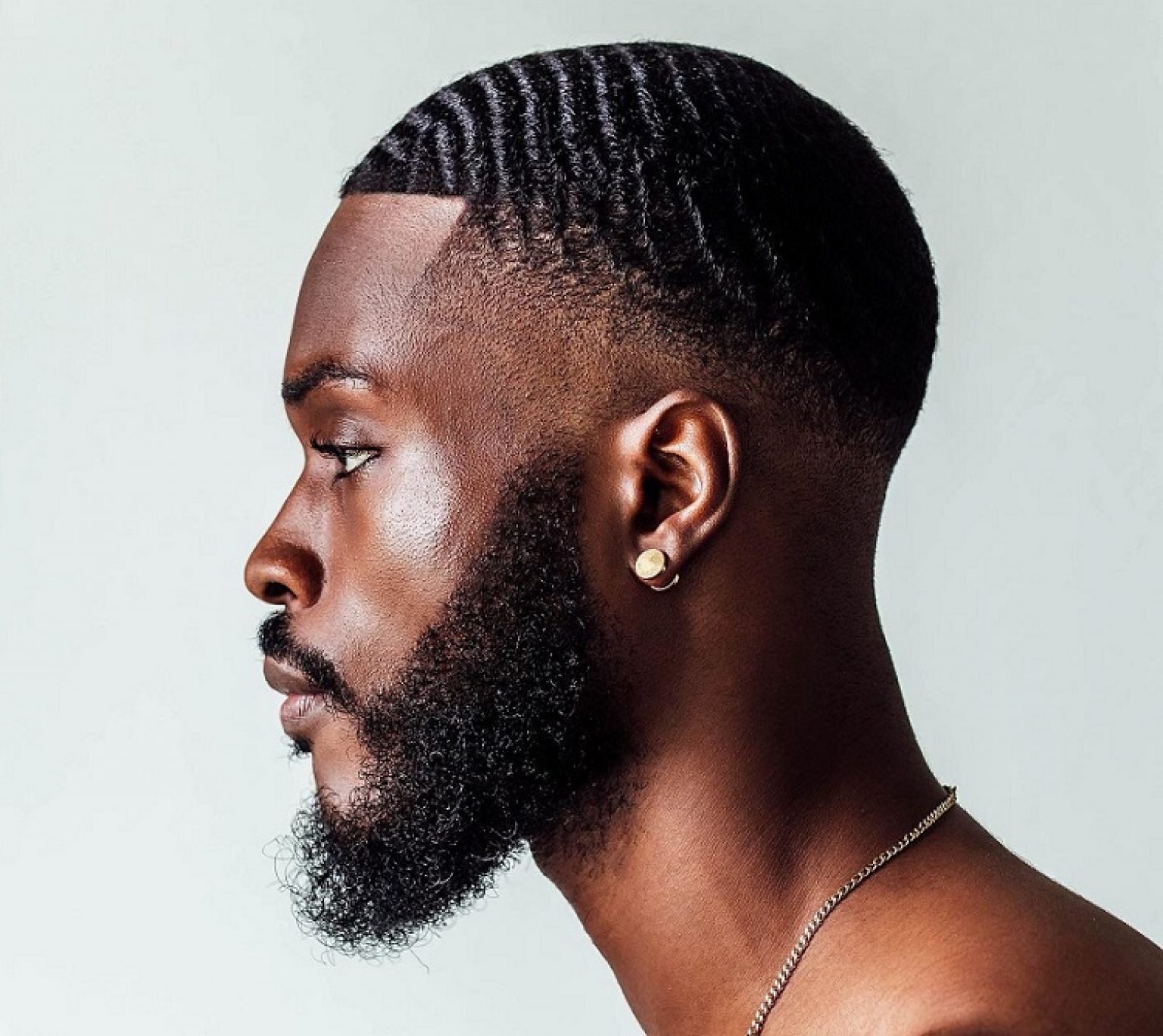
For Black men, the fade is particularly effective because it works in harmony with natural hair textures. By keeping the sides clean and tight, it allows the hair on top—whether it’s a curly sponge twist, a box fade, a classic buzz, or the ever-popular waves with fade—to stand out as the centerpiece of your look. It is a versatile grooming choice that adapts effortlessly from the boardroom to the weekend.
Trending Fade Styles for 2026
As we move further into 2026, barbers are pushing the boundaries of creativity. Here are the top styles currently requested in high-end barbershops:
1. The Low Fade
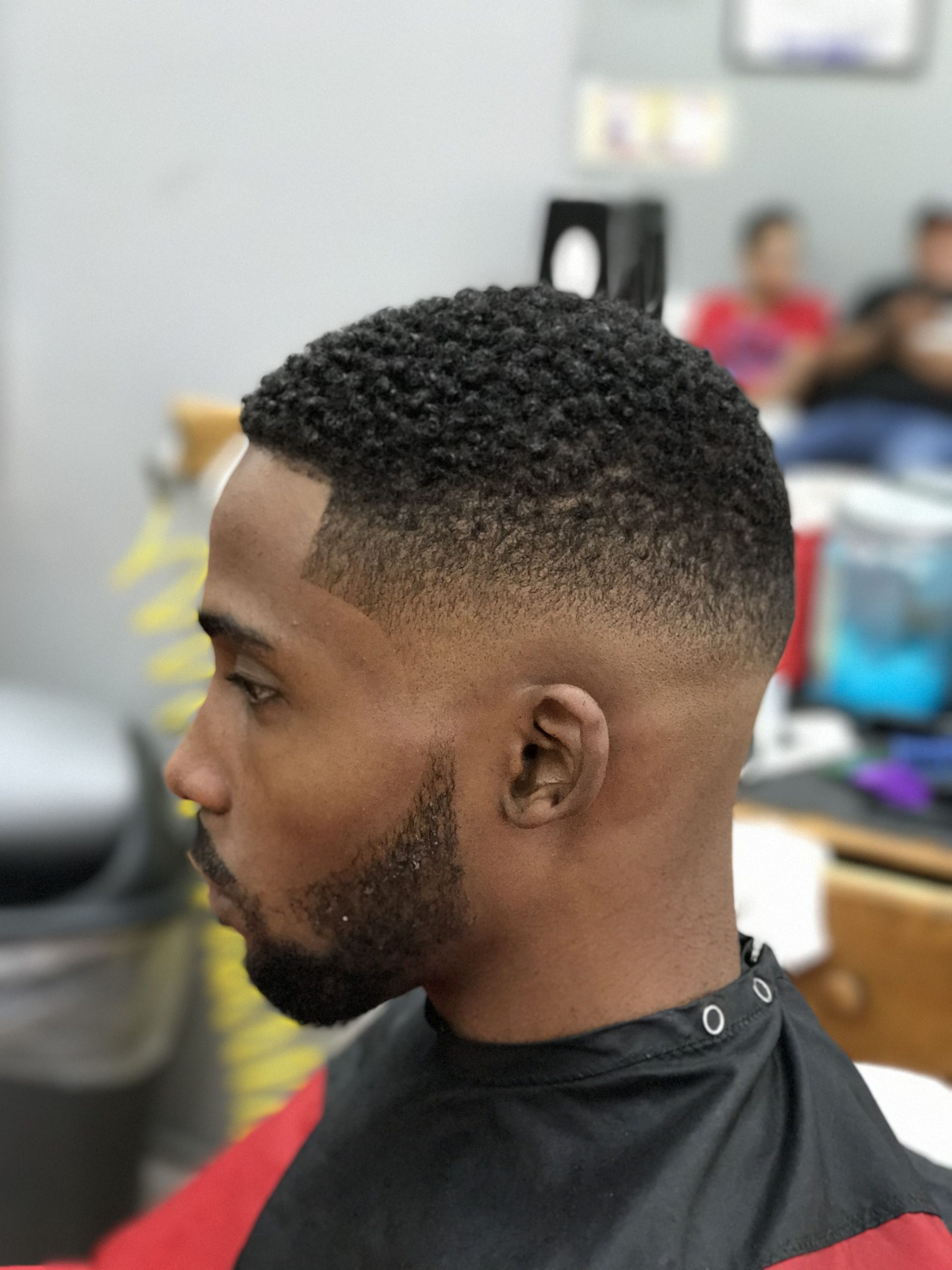
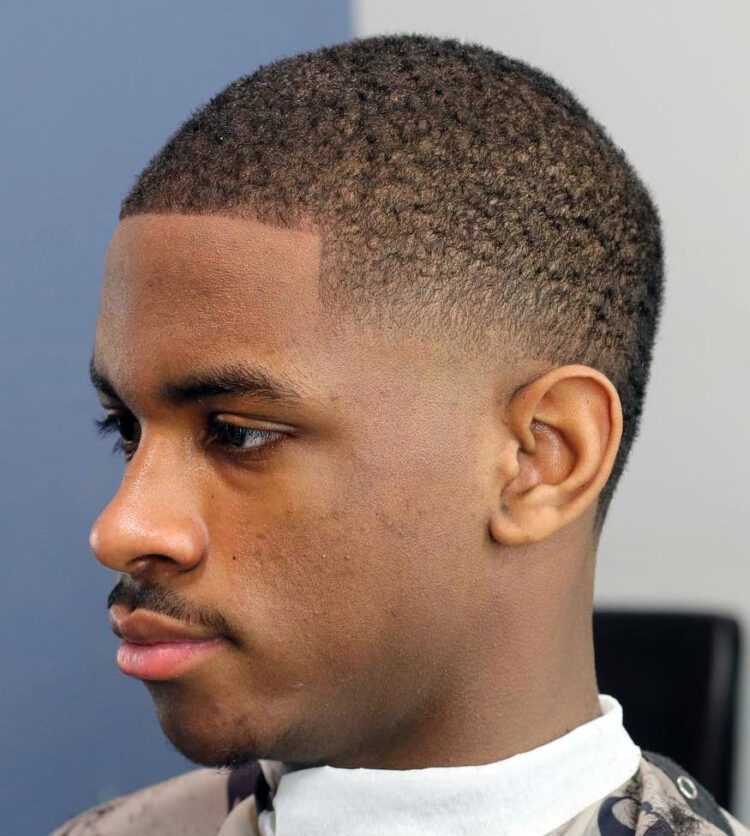
The low fade is perfect for men who want a professional yet stylish look. It starts very low, just above the ears and the neckline, providing a subtle transition that doesn’t expose too much skin. For an even bolder statement, the skin fade, also known as a bald fade, takes the sides down to the skin, offering a dramatic contrast. It is an excellent choice for those new to fades or those who prefer a more understated, sophisticated appearance.
2. The High-Top Fade
A modern nod to the 90s, the high-top fade is back and better than ever. In 2026, we are seeing cleaner lines and sharper sculpting. This style requires a skilled barber to ensure the top is perfectly squared or rounded, while the sides are faded to perfection.
3. The Burst Fade
If you want to make a statement, the burst fade is your go-to. This style creates a circular fade around the ear, often paired with a mohawk or a burst of volume in the back. It is edgy, bold, and incredibly popular among younger generations who want to express their individuality.
Customizing Your Cut: Tips for Success
Achieving the perfect Black people fade haircut requires more than just sitting in the chair; it requires communication and preparation. To get the best results, consider these three factors:
Face Shape: A high fade can elongate a round face, while a mid-fade can balance a longer face shape. Always ask your barber for their expert recommendation based on your bone structure.
Hair Texture: Not all hair is the same. Whether your hair is soft and curly, thick and coily, or tightly kinky hair, the clipper guards used must be adjusted accordingly to prevent patchiness and achieve a smooth blend.
The Line-Up: The “crispness” of your fade is defined by the line-up or edge-up. Ensure your barber uses a straight razor or precise trimmers to create sharp, clean lines around the temples and forehead, often perfecting what is known as a razor fade for ultimate definition.
Maintaining Your Fade: The 2026 Grooming Routine
A fresh cut is only as good as its maintenance. Because fades rely on the contrast between short and long hair, they require frequent touch-ups. To keep your look sharp throughout the week:
- Visit the Barbershop Every 2 Weeks: To maintain that “fresh out of the chair” look, bi-weekly appointments are standard. If you are on a budget, look for “edge-up” specials that focus only on the perimeter.
- Use Quality Products: Invest in a good durag or wave cap if you are wearing waves. For those with natural curls, use a leave-in conditioner or curl-defining cream to keep the top of your hair hydrated and healthy. A good hair pomade or styling pomade can also be essential for holding specific styles and achieving a polished finish. These men’s grooming products are key to maintaining your look.
- Skin Care Matters: A fade exposes more of your scalp and skin. Use a high-quality aftershave or moisturizer to prevent irritation and ingrown hairs, especially around the neckline.
The Evolution of the Fade: A Historical Perspective
The fade has a deep cultural history within the Black community. What started as a functional way to manage hair in the mid-20th century has evolved into a global fashion statement. By the 1980s, the fade became synonymous with hip-hop culture, and today, it is a universal symbol of confidence.
In 2026, the style is more refined than ever. We are seeing a fusion of classic techniques with modern technology, such as laser-guided edge-ups and enhanced pigments that make the hairline look even sharper. This evolution ensures that the fade remains at the forefront of men’s fashion for years to come.
Choosing the Right Barber
Finding the right barber is the most critical step in your grooming journey. A talented professional with exceptional barber skills and a knack for precision cutting is an artist, and your head is their canvas. When searching for a barber in 2026, look for the following:
Portfolio: Check their Instagram or Google Business profile. Look for consistency in their fades—are the transitions smooth? Are the lines sharp?
Hygiene: A professional shop should always prioritize sanitation. Ensure tools are cleaned between clients.
Communication: A great barber will listen to your preferences but also provide honest feedback on what will look best on you.
The Intersection of Culture and Style
For many Black men, the barbershop is more than just a place to get a haircut; it is a community hub. The fade haircut is a shared language that connects generations. Whether you are getting a classic taper or a complex design, the process of getting a fade is a ritual of self-care and self-respect.
As we look toward the future, we can expect to see even more innovation in this space. From incorporating more intricate hair art to experimenting with hair color enhancements, the fade is a canvas for personal expression. Stay bold, stay crisp, and don’t be afraid to try something new.
Conclusion
The fade haircut for Black men in 2026 is truly a versatile, stylish, and essential grooming practice. From the subtle low taper to the bold burst fade, there is a style that fits every personality and lifestyle. By choosing the right cut, keeping up with maintenance, and finding a skilled barber, you can ensure that you always look your best.
Remember, your hair is an extension of your identity. Treat it with care, keep it fresh, and wear your fade with the confidence it deserves. Whether you are heading to a wedding, an interview, or just out on the town, a sharp fade is the ultimate accessory for the modern man.
The ultimate accessory for the modern man.
The Deep Roots: Cultural Significance and History of the Fade Haircut
While the fade haircut is undeniably a modern staple, its journey is deeply intertwined with the cultural tapestry of Black communities, particularly in the United States. Its origins can be traced back to military barbershops, where strict regulations often called for short, tapered styles. However, it was in the vibrant Black communities of the 1970s and 80s that the fade truly began to flourish and take on its iconic status.
During this era, as hip-hop culture exploded onto the scene, the fade became more than just a haircut; it transformed into a powerful symbol of identity, self-expression, and defiance. Artists, athletes, and everyday individuals embraced the precision and artistry of the fade, using it to complement bold fashion choices and assert a distinct cultural presence. The high-top fade, with its sharply sculpted sides and towering top, became synonymous with the golden age of hip-hop, seen on legends like Kid ‘n Play, Will Smith in his Fresh Prince days, and countless others who shaped the era. This wasn’t merely a trend; it was a statement of pride, a clean and sharp aesthetic that challenged prevailing norms and celebrated Black identity.
The barbershop itself played a crucial role in cementing the fade’s cultural significance. These establishments were, and remain, more than just places for grooming; they are vital community hubs, spaces for conversation, debate, mentorship, and the transmission of culture across generations. Barbers became revered artists, honing their craft on the unique textures of Black hair, perfecting the intricate blends and crisp lines that define a masterful fade. The skill required to achieve a flawless fade on coily and kinky hair types elevated the barber’s status, turning a simple haircut into a personalized work of art.
The Art and Science: Mastering the Fade on Black Hair Textures
Achieving a perfect fade, particularly on the diverse textures prevalent in Black hair, is a nuanced art form that demands exceptional skill, specific tools, and a profound understanding of hair physiology. Black hair, characterized by its unique curl patterns, varying densities, and often thicker strands, presents distinct challenges and opportunities that set it apart from other hair types.
Understanding Hair Texture and Growth Patterns: The natural curl and coil of Black hair mean that growth patterns can be unpredictable. Swirls, cowlicks, and varying directions of growth are common, requiring a barber to meticulously map out the hair’s natural flow before even touching the clippers. An experienced barber understands how to work with, not against, these patterns to achieve a seamless blend and prevent irritation. The hair’s tendency to shrink when dry also means that the barber must anticipate how the cut will settle once styled, ensuring the fade remains crisp and the top retains its desired length and volume.
Specialized Tools and Techniques: The arsenal of a skilled barber working with Black hair extends beyond standard clippers. Zero-gap clippers, fine-toothed trimmers, and even straight razors are essential for achieving the ultra-sharp line-ups and detailed designs that are hallmarks of many Black fade styles. The clipper-over-comb technique is frequently employed to create precise layers and smooth transitions, especially when blending from longer hair on top into the faded sides. Freehand work is also critical for sculpting and personalizing the fade, allowing the barber to adapt to the client’s head shape and desired aesthetic. The blending process itself is an intricate dance of guard sizes, lever adjustments, and wrist flicking, ensuring a gradual, almost invisible transition from skin to hair.
Preventing and Managing Skin Irritation: One significant consideration is the propensity for pseudofolliculitis barbae (razor bumps), a common issue when tightly curled hair grows back into the skin after shaving. Expert barbers employ techniques like using sharp, clean blades, avoiding excessively close shaves in sensitive areas, and recommending specific pre-shave and aftershave products designed to soothe and protect the skin. Education on proper at-home skincare for the scalp and face is also a vital part of the barber’s role, ensuring the client maintains healthy skin between visits.
Beyond the Chair: Advanced Maintenance and Product Regimen for Longevity
A sharp fade is not a “set it and forget it” hairstyle; its longevity and pristine appearance hinge on a consistent and informed maintenance routine. While a skilled barber lays the foundation, the client’s commitment to daily care is paramount in preserving the cut’s crispness and the hair’s health.
Daily Hydration and Conditioning: Black hair, regardless of its texture, often benefits from consistent moisture. Daily application of a leave-in conditioner, hair lotion, or natural oils (such as shea butter, jojoba, argan, or coconut oil) helps to keep the hair soft, pliable, and less prone to breakage. This is especially important for the longer hair on top, which can dry out quickly. Moisturizing also helps to maintain the natural sheen that makes a fade look vibrant.
Protection While Sleeping: To prevent friction, frizz, and the flattening of the fade’s precise lines, wearing a durag or satin bonnet at night is highly recommended. These protective coverings reduce moisture loss and keep the hair compressed in a way that preserves the style, particularly for those with waves or more intricate designs on top.
Product Selection for Specific Needs:
Edge Control and Pomades: For maintaining razor-sharp line-ups and controlling flyaways, a non-greasy edge control or light pomade is essential. These products provide hold without buildup, allowing for crisp definition around the temples and nape.
Shampoos and Conditioners: Opt for sulfate-free, hydrating shampoos and conditioners that cleanse without stripping natural oils. Co-washing (conditioner-only washing) can also be beneficial for maintaining moisture between full washes.
- Hair Brushes: For those cultivating waves or maintaining a textured top, a quality wave brush with firm bristles helps to train the hair and distribute natural oils evenly. Regular brushing can enhance the fade’s blend and promote healthy scalp circulation.
Frequency of Barber Visits: To truly maintain the integrity of a fade, regular visits to the barber are non-negotiable. Depending on how quickly an individual’s hair grows and their desired level of sharpness, a touch-up every 1-2 weeks is often ideal. This allows the barber to re-establish the fade line, trim new growth, and refresh the line-up, ensuring the look remains pristine. While some individuals may attempt at-home touch-ups with personal trimmers, professional expertise is crucial for maintaining the precise blend and avoiding unevenness.
The Barbershop: A Cornerstone of Community and Cultural Exchange
The barbershop holds a unique and irreplaceable position within Black communities, transcending its primary function as a place for haircuts. It is a vibrant social institution, a micro-economy, and a sanctuary where cultural identity is affirmed and celebrated.
A Hub for Socialization and Discourse: Step into a Black barbershop, and you’ll immediately sense its pulsating energy. It’s a place where conversations flow freely, covering everything from local politics, sports, and current events to personal triumphs and challenges. It’s a space where men of all ages can connect, share experiences, and offer advice, fostering a strong sense of camaraderie and belonging. This informal network of communication and support is invaluable, acting as a vital artery within the community.
Mentorship and Intergenerational Connection: For many young Black men, the barbershop serves as an early and consistent point of contact with positive male role models. Barbers often become trusted mentors, offering guidance, wisdom, and a listening ear. Fathers bring their sons, establishing a ritual that passes down not just a grooming tradition but also a deeper understanding of community values, respect, and self-presentation. These interactions are crucial for shaping identity and instilling confidence.
Economic Empowerment: Barbershops are often locally owned small businesses, contributing significantly to the economic vitality of their neighborhoods. They provide employment opportunities, foster entrepreneurship, and keep money circulating within the community. The success of a barbershop often reflects the health and vibrancy of the community it serves.
A Space for Cultural Preservation: The music, the language, the humor, and the shared experiences within a barbershop all contribute to the preservation and evolution of Black culture. It’s a place where cultural norms are reinforced, stories are told, and a collective identity is continually affirmed. In a world where cultural erosion can be a concern, the barbershop stands as a resilient bastion of heritage.
The Evolving Landscape: Future Trends and Innovations in Fade Haircuts
The fade haircut, while a classic, is far from static. As grooming trends evolve and personal expression takes center stage, we can expect to see exciting innovations that push the boundaries of this iconic style.
Hyper-Personalization and Hair Artistry: Beyond the standard variations, barbers are increasingly becoming hair artists, incorporating intricate designs, geometric patterns, and even freehand illustrations into fades. Laser-sharp precision tools and a growing demand for unique looks will lead to an explosion of bespoke fade designs, turning each haircut into a truly personalized masterpiece. Clients will seek barbers who can translate their individual style and personality directly onto their scalp.
Integration of Color and Texture Play: Expect to see more experimentation with temporary and semi-permanent hair dyes integrated into fade styles. From subtle highlights on the longer top to bold, vibrant streaks within the faded sections, color will add another dimension to self-expression. Furthermore, the combination of fades with diverse textured tops – such as twists, locs, braids, or natural coils – will continue to grow, offering a dynamic interplay between sharp precision and organic texture. The “fade with locs” or “fade with twists” will become even more sophisticated, demonstrating the versatility of the base cut.
Sustainable and Conscious Grooming: As environmental awareness grows, the grooming industry will see a greater demand for sustainable practices and products. This means more eco-friendly hair care lines designed for Black hair, barbershops adopting energy-efficient practices, and a focus on ethically sourced ingredients. Clients will increasingly seek out barbers who align with their values for responsible consumption.
Technological Enhancements (with a Human Touch): While the skill of the barber will always be paramount, technology may play a supporting role. We might see AI-powered apps offering virtual try-ons for different fade styles or augmented reality tools that help clients visualize their desired look before the first snip. However, the human connection and the barber’s intuitive understanding of hair will remain irreplaceable. The “luxury fade experience” will also continue to rise, offering premium services, advanced skin treatments, and an elevated barbershop environment.
Conclusion: A Legacy of Style, Identity, and Confidence
The black people fade haircut is far more than just a passing trend; it is a timeless classic, a powerful statement of style, and a profound cultural emblem. From its military origins to its explosive popularization within hip-hop culture, the fade has consistently represented precision, sophistication, and a deep sense of identity. It’s a testament to the artistry of barbers who master the unique challenges and beauty of Black hair, transforming a simple cut into a personalized work of art.
As we look to the future, the fade will continue to evolve, embracing new techniques, innovative designs, and a heightened sense of personalization. Yet, its core essence will remain unchanged: a symbol of confidence, a nod to heritage, and a foundational element of modern masculinity. The barbershop, the sacred space where these transformations occur, will continue to serve as a vital cornerstone of community, mentorship, and cultural exchange.
To wear a fade is to embrace a legacy of style, to celebrate individuality, and to project an image of self-assuredness that resonates across all facets of life. It’s an investment in self-care, a connection to culture, and an undeniable expression of contemporary cool. So, choose your fade with intention, maintain it with pride, and wear it with the unwavering confidence it inherently bestows. The fade is not just a haircut; it’s a declaration.