
The modern man’s grooming routine has evolved significantly, and if there is one look that dominates the barber chair in 2026, it is the low fade haircut with beard. This combination is the gold standard for men who want a sophisticated, clean, and masculine appearance, offering a truly clean-cut look that transitions effortlessly from the boardroom to the weekend. By blending the precision of a low-tapered fade with the rugged texture of a well-groomed beard, you create a balanced aesthetic that highlights your jawline and facial structure.
Whether you are looking for a sharp, professional vibe or a more relaxed, textured style, this versatile haircut serves as the perfect foundation. In this guide, we will explore why this cut remains the king of men’s hair trends, how to choose the right variation for your face shape, and the essential maintenance tips to keep your look flawless.
Why the Low Fade with Beard is the Definitive Look for 2026
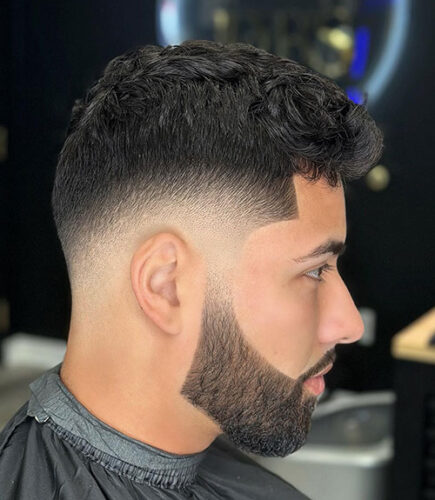
The low fade with beard works because it relies on the principle of contrast. By keeping the hair near the ears and neckline cut short—or taken down to the skin in a bald low fade or a crisp skin fade—the barber creates a seamless transition that draws the eye toward the face. When this fade connects directly into your beard, it creates a cohesive “frame” for your features.
Statistics from top grooming salons indicate that over 65% of men opting for short hairstyles in 2026 are choosing a low fade over high or mid-fades. The reason is simple: it is low-maintenance yet highly versatile. It doesn’t require the frequent touch-ups of a high skin fade, yet it provides enough structure to look polished for weeks.
The Psychology of the Fade
The low fade is subtle. Unlike high fades, which can look aggressive, a low fade starts just above the ears, maintaining more volume on the sides of the head. This makes it an ideal choice for men with thinner hair, diverse hair texture, or those who want to avoid the “exposed” look of a high fade. When paired with a beard, this style softens the transition from hair to facial hair, creating a natural flow that feels intentional and refined.
Choosing the Right Low Fade Variation for Your Face Shape
Not all fades are created equal. To truly master the low fade haircut with beard, you must understand how the fade interacts with your specific face shape. In 2026, the trend is moving toward customization rather than one-size-fits-all cuts.
Round Faces: If you have a round face, ask your barber for a low drop fade. By curving the fade line behind the ear, you add vertical length to the silhouette, which helps slim down the appearance of the cheeks. Pair this with a beard that is kept shorter on the sides and slightly longer at the chin.
Square/Angular Faces: You have the benefit of a strong jawline. A low taper fade that keeps the sides slightly thicker is a great way to complement your natural structure. Keep your short beard tightly lined up at the cheeks to emphasize your sharp angles.
Oval Faces: You are the lucky ones. Almost any low fade variation will work for you. In 2026, the popular choice for oval shapes is the textured crop with a low fade, which balances the length of the top hair with the precision of the beard.
Styling Techniques: From Messy to Polished
Achieving the perfect look isn’t just about the cut; it’s about the styling products you use. For 2026, the “natural look” is trending heavily. Men are moving away from high-shine gels and toward matte clays and texturizing powders.
The Morning Routine
- Prep: Start with a clean, damp head of hair. If you have a beard, use a high-quality beard wash to soften the bristles.
- Product Application: Use a matte clay for a messy, textured top. Take a pea-sized amount, rub it between your palms until warm, and work it through the roots to the ends.
- Beard Care: Apply beard oil while your facial hair is slightly damp, or consider a quality beard balm for added hold and conditioning. This locks in moisture and prevents the “itch” that often comes with a growing beard.
- The Finish: Use a boar-bristle brush to distribute the oil and tame any flyaways.
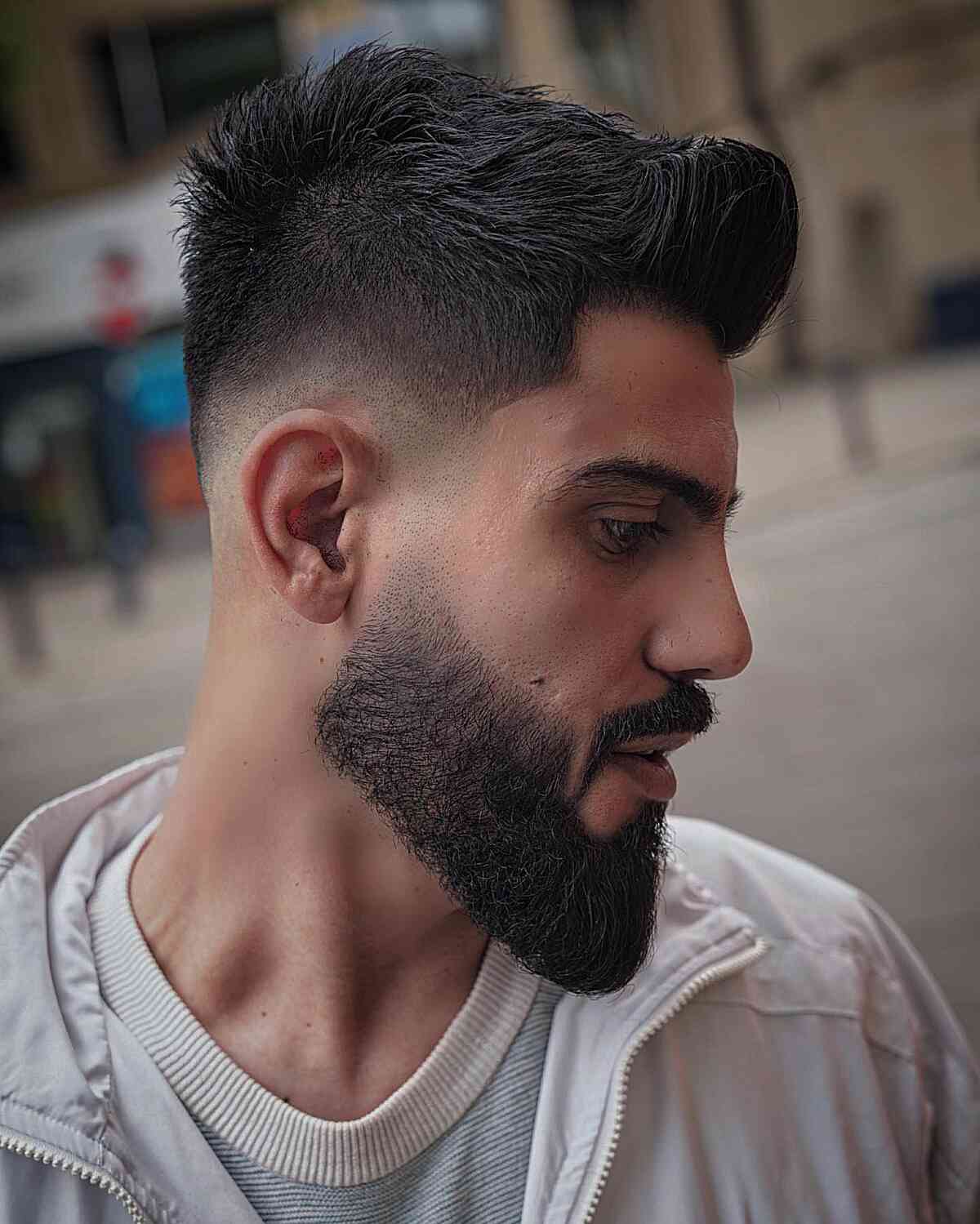
By keeping the hair on top slightly longer—perhaps in a quiff, a classic pompadour, a sharp side part, or a textured crop—you create a contrast with the skin-tight fade on the sides. This ensures that the focus remains on the blend between your hair and your beard, which is the hallmark of a high-quality barber job.
The Essential Maintenance Checklist
The biggest mistake men make is letting their fade and beard grow out simultaneously. To maintain the sharp, professional look that many professional men desire from a low fade, you need a routine.
The 2-Week Rule: A low fade typically starts to lose its crispness after 14 days. If you want to maintain that “fresh-from-the-barber” look, schedule your appointments every two to three weeks.
Edge Up Your Beard: You don’t need a full haircut to maintain your style. Buying a quality beard trimmer allows you to clean up your neck and cheek lines weekly. This keeps the transition between the fade and the beard looking intentional rather than overgrown.
Exfoliation: Because the low fade brings more attention to the skin on your scalp and neck, make sure to exfoliate. This prevents ingrown hairs and keeps your skin looking healthy.
Top 3 Trends for 2026: Why These Styles are Winning
- The Low Bald Fade with Stubble: This is the ultimate “low effort, high reward” style. By taking the hair down to the skin and keeping the beard at a heavy stubble length, you create a uniform, rugged look that requires almost zero styling time.
- The Textured Fringe Low Fade: Popularized by urban style icons, this look keeps the top hair messy and forward-swept. It’s perfect for men with wavy or curly hair who want to show off their natural texture while keeping the sides clean.
- The Tapered Beard Fade: This is a more advanced technique, showcasing intricate fading techniques where the barber doesn’t just fade the hair, but also “fades” the sideburns into the beard. It requires extreme precision but results in the most cohesive look possible.
Expert Tips for Communicating with Your Barber
The biggest obstacle to getting the perfect low fade haircut with beard is communication. Don’t just say “make it short.” Use specific terminology to ensure your barber understands your vision.
Specify the “Drop”: If you want the fade to follow the contour of your skull, ask for a “drop fade.”
Define the Beard Length: Use a guard number when talking about your beard. A “number 2” guard on the sides of your beard is a standard starting point for most men.
- Show Photos: In 2026, visual references are standard. Bring a photo of the exact fade height you want. Mention whether you want the blend to be “skin” (shaved) or a “number 1” (very short hair).
The Long-Term Benefits of the Low Fade
Choosing a low fade is an investment in your personal brand. A well-groomed man is perceived as more professional, confident, and detail-oriented. The low fade with beard is the intersection of classic barbershop traditions and modern grooming technology.
Furthermore, this style is incredibly forgiving. If you have a bad hair day, the low fade ensures that your sides remain sharp, and the beard adds enough weight to your face to distract from minor hair imperfections. It is, quite simply, the most reliable haircut for the modern man.
Conclusion
The low fade haircut with beard is more than just a passing trend; it is a versatile, masculine, and timeless choice that fits into any lifestyle. Whether you are a corporate professional, a creative, or an athlete, the ability to customize the fade height, the beard length, and the style on top makes this look universally flattering.
As we move through 2026, the focus remains on personalization. Take the time to understand your face shape, invest in the right grooming products, and find a barber who understands the art of the blend. When you get the balance right, the low fade and beard combination will become your signature look—one that projects confidence and style every single day.
Remember, grooming is a journey. Don’t be afraid to experiment with different lengths or ask your barber for their professional opinion. After all, a great haircut is the best accessory a man can have.