
The Hispanic low taper fade haircut has officially cemented its status as the gold standard for modern Latino grooming in 2026. Combining precision, cultural heritage, and contemporary edge, this style offers a clean, sophisticated look that adapts perfectly to every hair texture—from thick, straight strands to dense, curly locks. Whether you are aiming for a professional office aesthetic or a sharp, street-style vibe, the low taper fade provides the versatility required for today’s fashion-forward man.
In this comprehensive guide, we explore why this cut is dominating barbershops across the globe, how to communicate your vision to your barber, and the essential maintenance routines to keep your fade looking razor-sharp throughout the year.
Why the Hispanic Low Taper Fade is Trending in 2026
The popularity of the Mexican taper fade and its regional variations has surged because it strikes the perfect balance between minimal maintenance and maximum impact. Unlike high fades or skin fades that require frequent trips to the barber to maintain a stark contrast, the low taper fade allows for a more natural grow-out process.
By focusing the fading process around the neckline and the area just above the ears, the haircut frames the face without being overly aggressive. This is particularly beneficial for Hispanic men, who often possess thick, dark hair that creates a striking visual contrast when tapered correctly. In 2026, the trend has shifted toward “soft structure,” where the transition from skin to hair is seamless, almost like a gradient, rather than a harsh line.
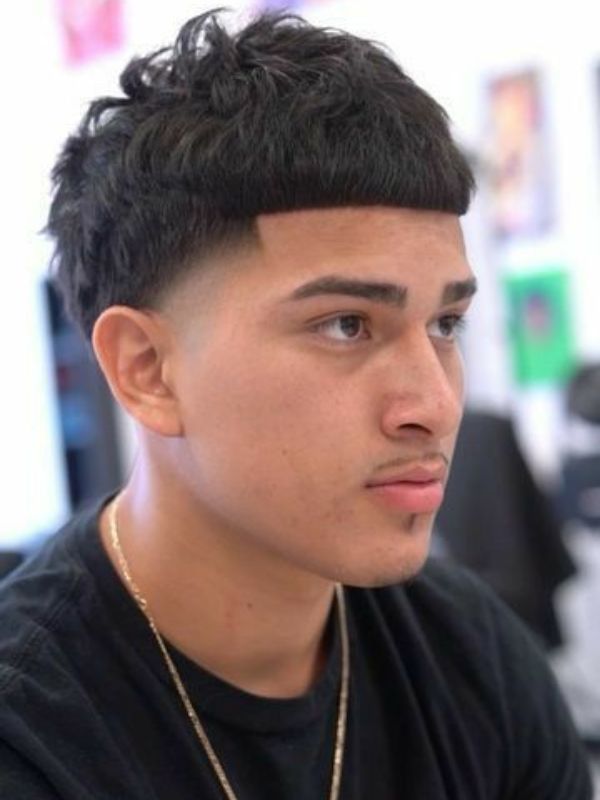
Choosing the Right Variation for Your Hair Texture
One of the greatest strengths of the Hispanic low taper fade is its adaptability. Hispanic hair types are incredibly diverse, and your barber needs to tailor the technique to match your specific hair growth pattern.
1. The Curly Low Taper Fade
For men with natural waves or tight curls, the low taper fade is a game-changer. It removes bulk from the sides while allowing the volume on top to take center stage. By keeping the fade low, you prevent the “mushroom effect” that often occurs when hair is cut too high on the sides. Using a curl-enhancing cream or sea salt spray can help define your texture, making the style look intentional and polished.
2. The Straight-Hair Precision Fade
If you have thick, straight hair, the goal is often to create a sharp, clean silhouette. A low taper fade on straight hair creates a crisp line that emphasizes the jawline. This look is frequently paired with a textured crop or a messy pompadour on top, providing a modern contrast between the structured sides and the effortless top.
3. The “Edgar” Infused Taper
The Edgar haircut remains a cornerstone of Hispanic youth culture. By integrating a low taper fade into the traditional Edgar style, men are achieving a look that is both edgy and professional. This fusion is perfect for those who want to maintain the forward-swept fringe while cleaning up the side profile for a more mature, refined appearance.
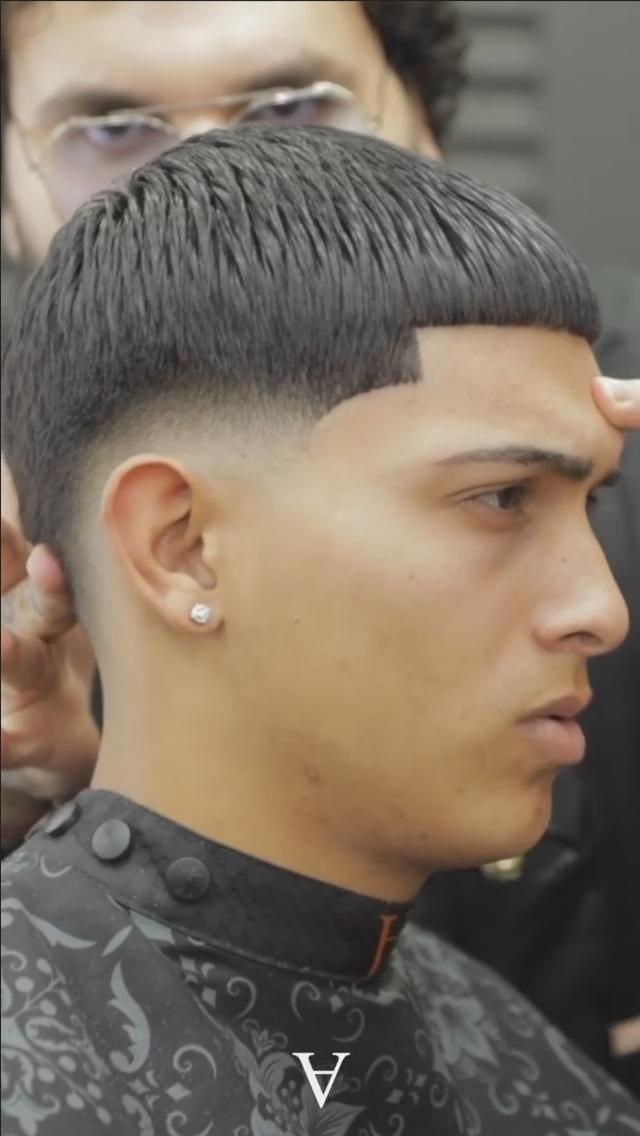
Expert Barber Tips: How to Ask for the Perfect Cut
Communication is the most critical step in achieving the look you desire. When you sit in the chair, don’t just ask for a “faded haircut.” Use specific terminology that helps your barber visualize the final result.
Specify the “Low” aspect: Clearly tell your barber you want the fade to start low, near the temple and the nape of the neck.
Discuss the “Taper”: A taper is different from a skin fade. If you want a bit of hair left at the neckline, specify a “taper” rather than a “skin fade.”
Mention your hair type: If your hair is prone to frizz or cowlicks, let your barber know. A skilled barber will adjust the tension of the clippers or the angle of the blade to compensate for growth patterns.
Bring Reference Photos: Visuals are universal. Showing your barber a picture of a Hispanic low taper fade ensures you are both on the same page regarding the length and the intensity of the fade.
Maintenance and Grooming: Keeping it Fresh
A haircut is only as good as its maintenance. To keep your Hispanic low taper fade looking fresh for more than a few days, you need a solid grooming routine.
The Weekly Refresh
Even with a low fade, the hairline can start to look fuzzy after 7-10 days. Many men choose to get a “line-up” or “edge-up” between full haircuts. This involves cleaning up the forehead and the nape of the neck with a straight razor. It is a cost-effective way to maintain that “just left the barbershop” sharpness.
Essential Products for 2026
Matte Pomade: Ideal for a natural, non-greasy look that provides hold without the shine.
Beard Oil: Since the low taper fade emphasizes the jawline, many men pair this cut with a well-groomed beard. Keeping your beard hydrated ensures the transition from your fade to your facial hair remains seamless.
Sea Salt Spray: Best for adding volume to the top of the hair, especially if you have fine or wavy hair that tends to fall flat.
The Cultural Significance of the Modern Fade
The Hispanic low taper fade isn’t just about aesthetics; it is a cultural identifier. In many Latin American communities, the barbershop is a central hub for social interaction and community building. The evolution of these haircuts reflects the fusion of traditional values with the global influence of modern street style.
In 2026, we see a trend toward authenticity. Hispanic men are embracing their natural hair textures—letting curls be curls and volume be volume—while using the low taper fade as a frame to elevate their natural appearance. This shift towards “intentional grooming” highlights a broader movement in men’s fashion: looking good is no longer about hiding who you are, but about refining your natural features.
Statistics: Why the Low Taper Fade is Winning
Recent surveys from barbering industry reports in 2026 indicate that over 65% of Hispanic men between the ages of 18 and 35 prefer a low-maintenance fade over longer, more complex styles.
Time-saving: Men reported spending an average of 15 minutes less on daily styling compared to longer hairstyles.
Cost-efficiency: Because the low taper grows out more gracefully than a high skin fade, users were able to extend the time between barber visits by an average of 4-6 days.
Professionalism: 82% of respondents felt that the clean-cut nature of the low taper fade helped them feel more confident in professional environments.
How to Choose the Right Barber for Your Cut
Not all barbers are created equal. When searching for the right professional to execute your Hispanic low taper fade, look for the following signs of expertise:
- Portfolio: Does their Instagram or website showcase a variety of fade types on different hair textures?
- Tool Knowledge: A great barber will use a combination of clippers, trimmers, and shears. If they rely solely on one tool, they may not be providing a truly custom cut.
- Consultation: A good barber will ask about your lifestyle and how much time you are willing to spend styling your hair before they even touch your head.
- Sanitation: In 2026, cleanliness is paramount. Ensure your barber follows strict sanitation protocols for their tools and workspace.
Conclusion: Embracing Your Style in 2026
The Hispanic low taper fade haircut is more than just a passing trend; it is a refined, versatile, and culturally significant style that perfectly fits the modern man. By focusing on your unique hair texture, communicating effectively with your barber, and maintaining your look with the right products, you can ensure that your hair remains a signature part of your personal brand.
As we move further into 2026, the focus remains on personal expression. Whether you choose a subtle, soft taper or a sharp, geometric fade, the most important element is how the cut makes you feel. Take the time to experiment with different lengths on top, and don’t be afraid to ask your barber for their professional opinion on what will suit your face shape best. After all, a great haircut is the ultimate accessory.