
The men’s low taper fade haircut has officially cemented its status as the definitive “modern classic” of the 2020s. As we navigate through 2026, this haircut remains the go-to choice for men who demand a balance between professional sophistication and contemporary edge. It’s truly one of the most sought-after modern men’s haircuts. Unlike high-contrast skin fades that can look jarring, the low taper fade offers a subtle, refined transition that works for virtually every face shape and hair texture.
Whether you are aiming for a corporate-friendly aesthetic or a rugged, street-style vibe, the versatility of the low taper fade is unmatched. In this comprehensive guide, we will explore why this cut continues to dominate barbershops globally, how to style it, and how to communicate your vision to your barber for the perfect finish.
Why the Low Taper Fade Is the King of 2026 Hairstyles
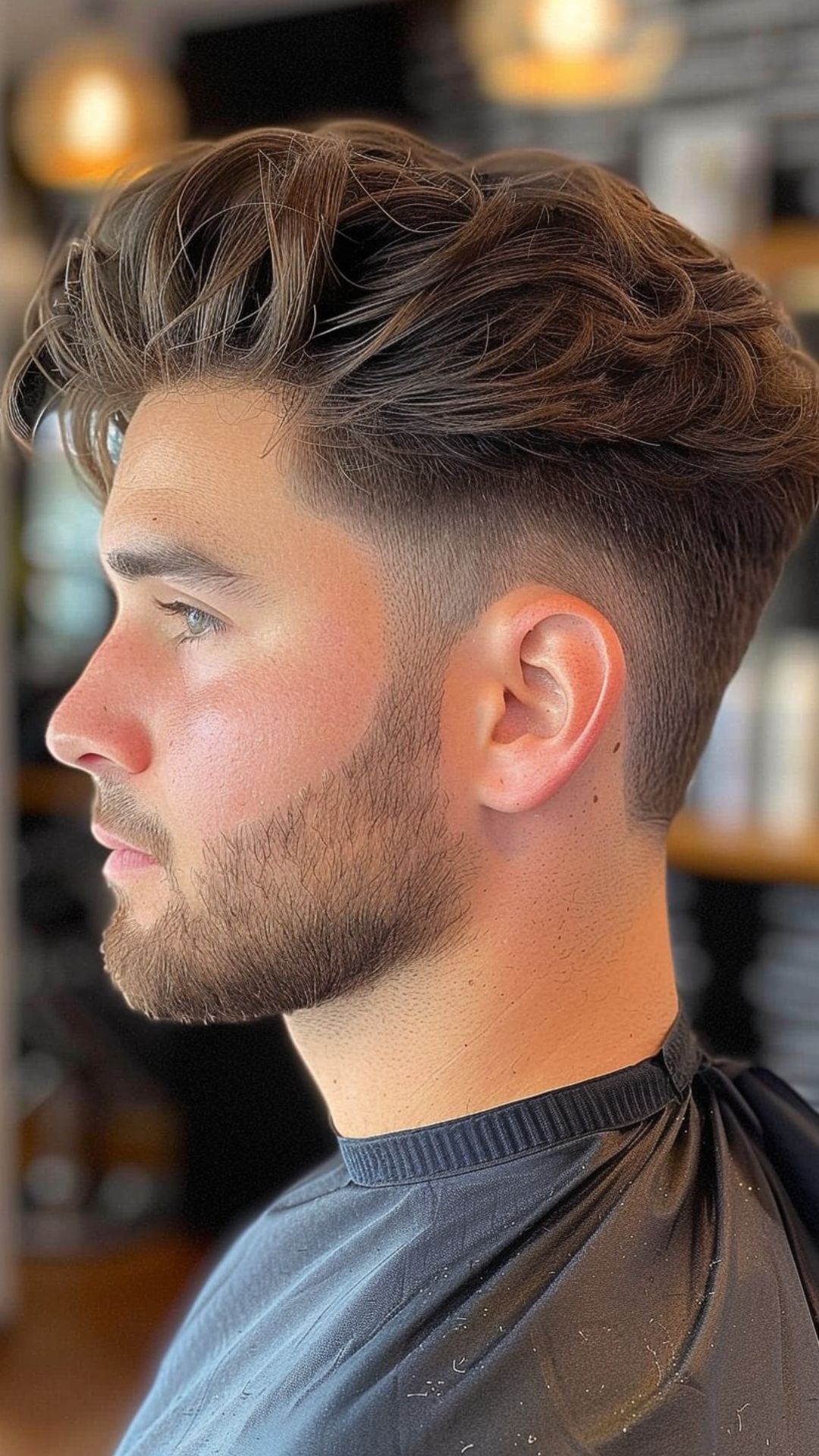
The popularity of the low taper fade lies in its understated nature. By keeping the hair shorter near the neckline and ears while maintaining length on the sides, you create a clean, intentional look without sacrificing the volume of your hair.
Unrivaled Versatility
One of the primary reasons men choose this cut is its adaptability. It serves as the perfect foundation for a wide array of top styles. From the textured fringe and voluminous pompadour to the relaxed layered flow, the low taper fade provides a polished frame that elevates the entire look.
Professional and Low-Maintenance
For the modern professional, time is a luxury. The low taper fade is remarkably low-maintenance, making it an ideal professional men’s haircut. Because the fade is kept low, the growth period is much less awkward than a high skin fade, meaning you can extend the time between your barbershop visits by up to two weeks without the cut looking unkempt. This ease of low taper fade maintenance is a key benefit.
Top Variations of the Low Taper Fade
Not all tapers are created equal. In 2026, we are seeing a shift toward more personalized, textured, and natural-looking fades. Here are the most sought-after variations you should discuss with your barber.
1. The Textured Crop with Low Taper
Ideal for men with thick or wavy hair, the textured crop utilizes a low taper to remove bulk from the sides while keeping the top messy and voluminous. This look is perfect for those who want a “just rolled out of bed” aesthetic that still looks intentional and sharp, often seen as a short low taper fade option.
2. The Classic Comb-Over Taper
If you work in a traditional office environment, the comb-over with a low taper is your best friend. It offers the clean lines of a classic side part but modernizes the silhouette with a soft, gradient transition at the temples and nape.
3. The Modern Wolf Cut Hybrid
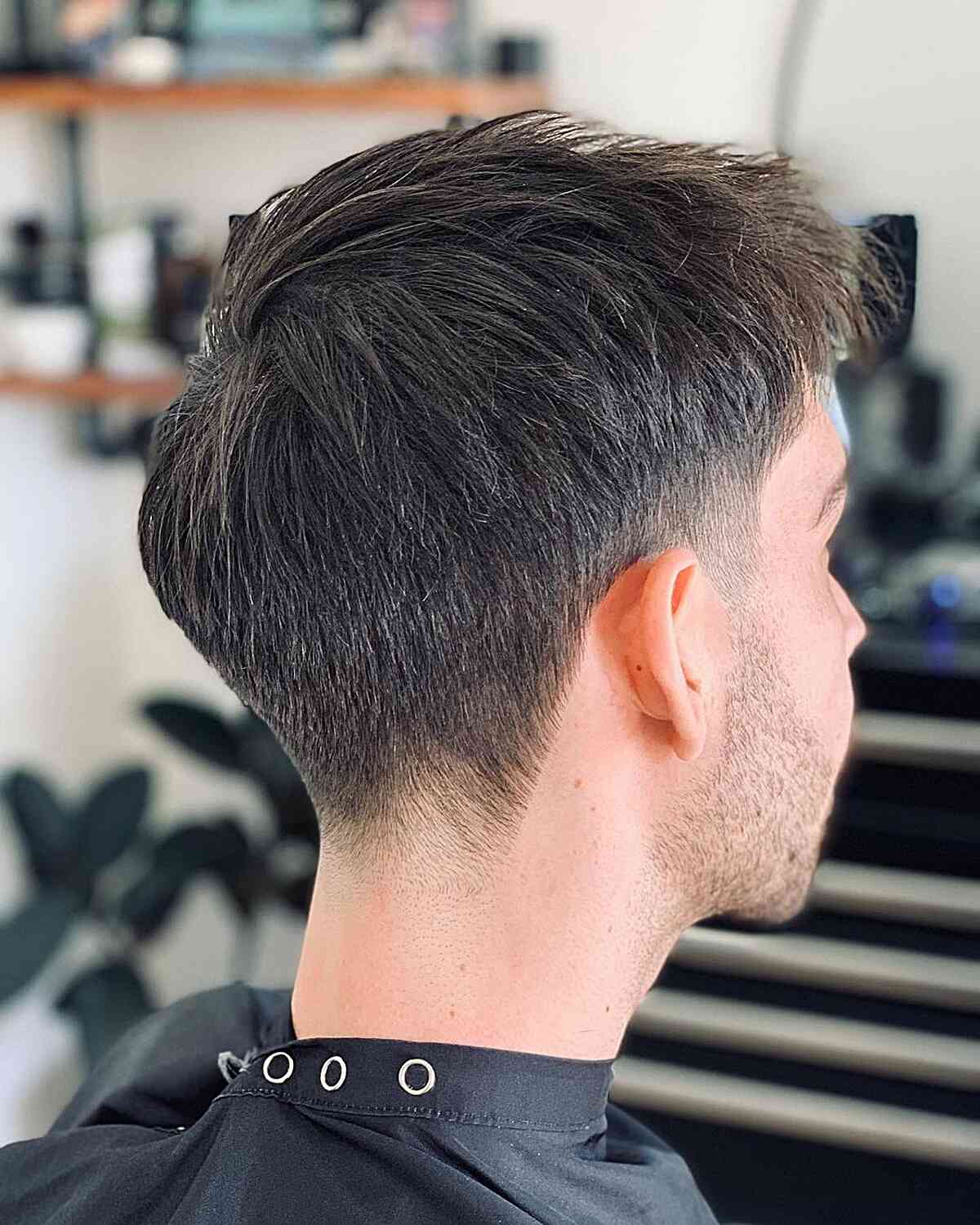
Combining the 70s-inspired wolf cut with a precise low taper is a massive trend in 2026. This style embraces length and movement in the back and top, making it a great option for a long low taper fade on top, while the low taper ensures the sides don’t get too puffy or out of control. It’s an edgy, artistic choice for the fashion-forward man.
4. The Bold Lineup Fade
For those who want maximum impact, the bold lineup fade pairs the low taper with sharp, geometric edge-ups. This emphasizes the hairline and jawline, creating a clean, architectural hairline design that screams precision.
How to Choose the Right Taper for Your Face Shape
Understanding your face shape is the secret to a high-quality haircut. A men’s low taper fade haircut can be customized to balance your features perfectly.
Round Faces: Opt for a slightly tighter taper on the sides with more height and volume on the top. This elongates the face and provides a more angular, masculine appearance.
Square Faces: You have the most versatile structure. A low taper fade works beautifully with almost any length on top, as your strong jawline will complement the clean lines of the fade.
Oval Faces: You are the “blank canvas.” Feel free to experiment with trendy styles like the textured fringe or a disconnected pompadour.
Oblong Faces: Avoid excessive height on top. Keep the top slightly shorter or more textured to prevent adding unwanted length to your face.
Expert Styling Tips for 2026
To keep your cut looking fresh, you need the right tools and techniques. The low taper fade is only as good as the product you use to style the hair on top. For the best styling products for low taper fade, reach for matte clays, sea salt sprays, or light-hold pomades to create a natural, textured finish that looks like you aren’t trying too hard.
- Use Matte Products: In 2026, shiny gels are out. Reach for matte clays, sea salt sprays, or light-hold pomades to create a natural, textured finish that looks like you aren’t trying too hard.
- Invest in Quality Clippers: If you’re a DIY enthusiast, ensure you have a high-quality set of professional-grade clippers. However, for the precision of a low taper, visiting a professional barber every 3-4 weeks is highly recommended to maintain that crisp neck-line.
- Regular Maintenance: Use a small amount of beard oil or light hair serum on the ends of your hair to keep it hydrated, especially if you have a longer style on top.
Why Consistency Matters in Your Barber Visit
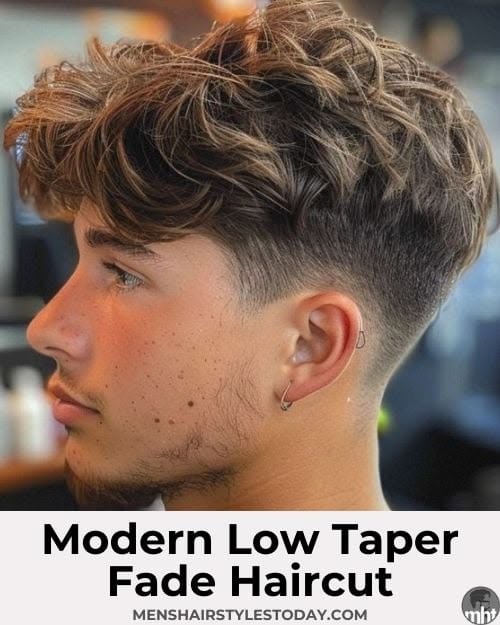
When asking for a low taper fade, specificity is key. Don’t just say “taper.” Explain how high you want the fade to start and what kind of guard you prefer. A true low taper should barely touch the hair above the ear, focusing the gradient on the sideburns and the nape of the neck. A thorough barber consultation is essential.
Pro-Tip: Bring photos! Visual references are the most effective way to ensure you and your barber are on the same page. By showing your barber specific examples of the low taper fade, you eliminate the guesswork and ensure a result that fits your personal aesthetic.
The Future of Men’s Grooming: Sustainability and Simplicity
Looking ahead to the rest of 2026 and beyond, the trend is moving toward sustainable grooming. This means choosing haircuts that require fewer chemical products and less frequent high-heat styling. The low taper fade fits this movement perfectly because it relies on the natural structure of the hair rather than heavy styling agents.
By choosing a cut that grows out gracefully, you are also reducing your environmental footprint by visiting the salon less often. It is the ultimate fusion of style, utility, and conscious living.
Conclusion: Elevate Your Style Today
The men’s low taper fade haircut is more than just a passing trend; it is a fundamental element of the modern man’s style repertoire. Its ability to look clean and professional while allowing for creative expression on top makes it the most versatile cut in the game.
Whether you’re heading to a board meeting, a casual weekend brunch, or a high-stakes event, this haircut provides the confidence and polished look you need to stand out. As we move through 2026, embrace the low taper fade as your go-to style. It’s time to head to the barbershop and request a look that defines the modern standard of men’s grooming.
The allure of the low taper fade extends beyond its immediate aesthetic appeal; it lies in its masterful execution and profound adaptability. To truly appreciate this haircut, one must delve into the nuances of its construction and the art of personalization it offers.
Understanding the Anatomy of the Low Taper Fade
At its core, the “fade” refers to the gradual transition of hair length from very short (often skin-level) at the bottom to longer hair higher up. The “taper” specifically describes this gradual shortening, creating a clean, crisp edge rather than an abrupt line. Understanding the distinction between a taper vs fade haircut is crucial for communicating with your barber. What makes it “low” is the starting point of this fade: it begins much closer to the natural hairline, typically just above the ear and nape of the neck, staying below the parietal ridge. This strategic placement ensures that the fade is subtle and understated, maintaining a more classic and professional profile while still offering the sharp, modern contrast that defines contemporary men’s grooming. Unlike a high fade, which climbs much further up the sides and back, or a mid-fade that sits in between, the low taper fade provides a softer, less aggressive gradient, making it incredibly versatile for a multitude of settings and personal styles. This subtle distinction is crucial, as it allows the haircut to seamlessly blend with various top lengths and styles without appearing overly dramatic or trendy.
Tailoring the Fade: Hair Types and Textures
One of the low taper fade’s greatest strengths is its universal appeal across diverse hair types and textures.
Straight Hair: For men with straight hair, the low taper fade offers unparalleled precision. The clean lines and sharp gradient are accentuated, creating a sleek and polished look. It’s an excellent choice for textured crops or classic side parts, as the fade provides a strong foundation.
Wavy Hair: Wavy hair introduces a natural flow that can be beautifully contrasted with the sharp fade. The waves on top can be styled for volume and movement, while the neat taper keeps the overall look refined and controlled. This combination creates a dynamic yet elegant aesthetic.
Curly Hair: Curly and coily hair types truly shine with a low taper fade. The controlled sides and back prevent excessive bulk, allowing the natural texture of the curls on top to be the focal point. This creates a striking silhouette, with the curls providing volume and character while the fade maintains a clean, architectural structure. Many barbers report that curly and coily hair types, especially low taper fade black men and those with African American hair, increasingly opt for the low taper fade, as it offers a stylish way to manage volume and showcase natural texture.
Thick Hair: For those with thick hair, the low taper fade is a godsend. It effectively reduces bulk on the sides and back, preventing the dreaded “helmet head” look. This allows for easier styling on top and a much lighter, more comfortable feel.
Fine Hair: Even men with finer hair can benefit. While it won’t add volume, the precise fade creates an illusion of density and neatness, making the hair appear more intentionally styled and less wispy.
Complementing Face Shapes: A Strategic Approach
The low taper fade can be customized to enhance virtually any face shape. The key lies in how the top section is styled in relation to the faded sides.
Oval Face: Considered the most balanced, an oval face can pull off almost any variation. The low taper fade enhances its natural symmetry.
Round Face: To add length and definition, pair a low taper fade with a top style that has some height, like a quiff or a textured pompadour. This elongates the face visually.
Square Face: The sharp angles of a square face are complemented by the clean lines of the fade. A slightly softer, textured top can balance the strong jawline, or a sharp side part can enhance it further.
Long/Oblong Face: Avoid excessive height on top. Instead, opt for styles with more width or fringe, like a textured crop or a messy fringe, to balance the face’s length.
Heart/Diamond Face: A low taper fade helps to narrow the temples, while a bit of volume or fringe on top can balance a wider forehead.
A skilled barber will assess your face shape and hair characteristics, offering personalized advice to ensure the low taper fade not only fits but actively elevates your appearance.
Styling the Top: A Canvas for Creative Expression
While the fade itself provides a sophisticated foundation, the true versatility of this haircut lies in the myriad ways the top can be styled.
Textured Crop: One of the most popular pairings, the textured crop features short, choppy layers on top, often with a slight fringe. When combined with a low taper fade, it creates a modern, effortless, and stylish look that requires minimal daily styling.
Classic Side Part: For a timeless, professional aesthetic, a side part with a low taper fade is unbeatable. It offers a clean, distinguished appearance suitable for business environments or formal occasions. A light pomade or styling cream provides hold and shine.
Modern Quiff: Adding height and volume to the front, a quiff paired with a low taper fade exudes confidence and a touch of rebellious charm. This style typically requires more product and effort but delivers significant impact.
Slick Back: For a sophisticated and sleek finish, the hair can be slicked back with a strong-hold pomade. The low taper fade ensures the sides remain tidy, providing a sharp contrast to the smoothly styled top. This look is particularly popular for formal events or those seeking a polished, old-school vibe.
Messy Fringe: A more relaxed option involves letting the fringe fall naturally or styling it with a bit of texture and movement. This creates an approachable, youthful, and contemporary look, perfect for casual settings.
Brush Up: Similar to a quiff but often less structured, the brush up involves sweeping the hair upward and slightly back, creating natural volume. This style works well with medium-length hair on top and adds a dynamic element.
The choice of styling product is paramount to achieving these diverse looks. A matte clay or paste offers texture and a natural finish, ideal for textured crops or messy fringes. Pomades, available in various holds and finishes (from high-shine to matte), are perfect for slick backs or classic side parts. Mousse or sea salt spray can add volume and enhance natural waves or curls before applying a finishing product. This cut also pairs exceptionally well with a well-groomed low taper fade with beard, creating a cohesive and masculine aesthetic.
Maintaining Your Pristine Fade: Longevity and Upkeep
The sharp definition of a low taper fade is its hallmark, and maintaining this crispness requires regular attention. While the top can grow out gracefully for a few weeks, the fade itself will lose its distinct gradient relatively quickly. Most barbers recommend a trim every 2-3 weeks to keep the fade looking fresh and clean. This frequency addresses the common question of how often to get a haircut for this style. Between barber visits, a quality hairbrush and a light styling product can help keep the top looking good. For those who want to extend the life of their fade slightly, a quick neck and side cleanup by a barber can work wonders, though a full recut of the fade is ultimately necessary to restore its original precision. Investing in good quality shampoo and conditioner tailored to your hair type will also help maintain overall hair health, contributing to a better-looking style.
Choosing the Right Barber: The Artist Behind the Fade
The success of a low taper fade heavily depends on the skill of the barber. Not all barbers possess the same mastery of fading techniques. When seeking a new barber, look for someone with a strong portfolio showcasing various fade styles. Social media platforms like Instagram are excellent resources for viewing a barber’s work. Don’t hesitate to ask questions during a consultation:
“Do you specialize in fades?”
“Can you show me examples of your low taper fades?”
- “How do you approach different hair textures with fades?”
A good barber will also take the time to discuss your lifestyle, face shape, and desired aesthetic, offering professional recommendations. Effective communication is key; bring reference photos if possible to clearly articulate your vision. A true “fade master” understands the subtle differences between a zero fade, a skin fade, and a taper, and knows how to blend them seamlessly into a cohesive, stylish cut. This investment in finding the right professional ensures you walk out with a haircut that truly reflects your personal style and meets the high standards of a perfectly executed low taper fade.
The Enduring Legacy: More Than Just a Trend
While specific hairstyles come and go, the low taper fade has solidified its position as a timeless classic. It represents a confluence of traditional barbering artistry and modern stylistic sensibilities. Its enduring popularity isn’t merely a fleeting trend; it’s a testament to its inherent balance between sharp precision and understated elegance. Industry analysts note a consistent demand for fade variations, with the low taper fade often cited as a top request across diverse demographics. It transcends age groups, professions, and cultural backgrounds, offering a universally flattering and adaptable option. This haircut embodies the evolution of men’s grooming, moving from simple utilitarian cuts to sophisticated, personalized statements. It’s a reflection of a generation that values meticulous presentation and individual expression without sacrificing professionalism or classic appeal.
As we look beyond 2026, the low taper fade will undoubtedly continue to evolve, perhaps with new variations in top styling or slight adjustments in fade intensity. However, its fundamental principles – clean lines, gradual transitions, and adaptable aesthetics – ensure its place as a cornerstone of men’s hairstyling for decades to come. It’s more than just a haircut; it’s a statement of confidence, attention to detail, and modern sophistication. Embrace the low taper fade not just as a style for today, but as a grooming philosophy that will serve you well into the future. It’s a powerful tool in your personal arsenal, empowering you to present your best self, every single day.