
In the ever-evolving world of men’s grooming, few styles have managed to maintain the staying power and universal appeal of the low taper fade. As we navigate through 2026, this haircut has solidified its position as the “gold standard” for the modern gentleman. But what exactly is a low taper fade, and why does it continue to dominate the trends year after year?
Whether you are a corporate professional looking for a clean-cut aesthetic or a creative seeking a sharp, textured look, the low taper fade offers a level of versatility and sophistication that few other cuts can match. In this comprehensive guide, we will break down everything you need to know about this iconic style, from its technical definition to the best ways to style it for your specific hair type.
Understanding the Low Taper Fade: A 2026 Perspective
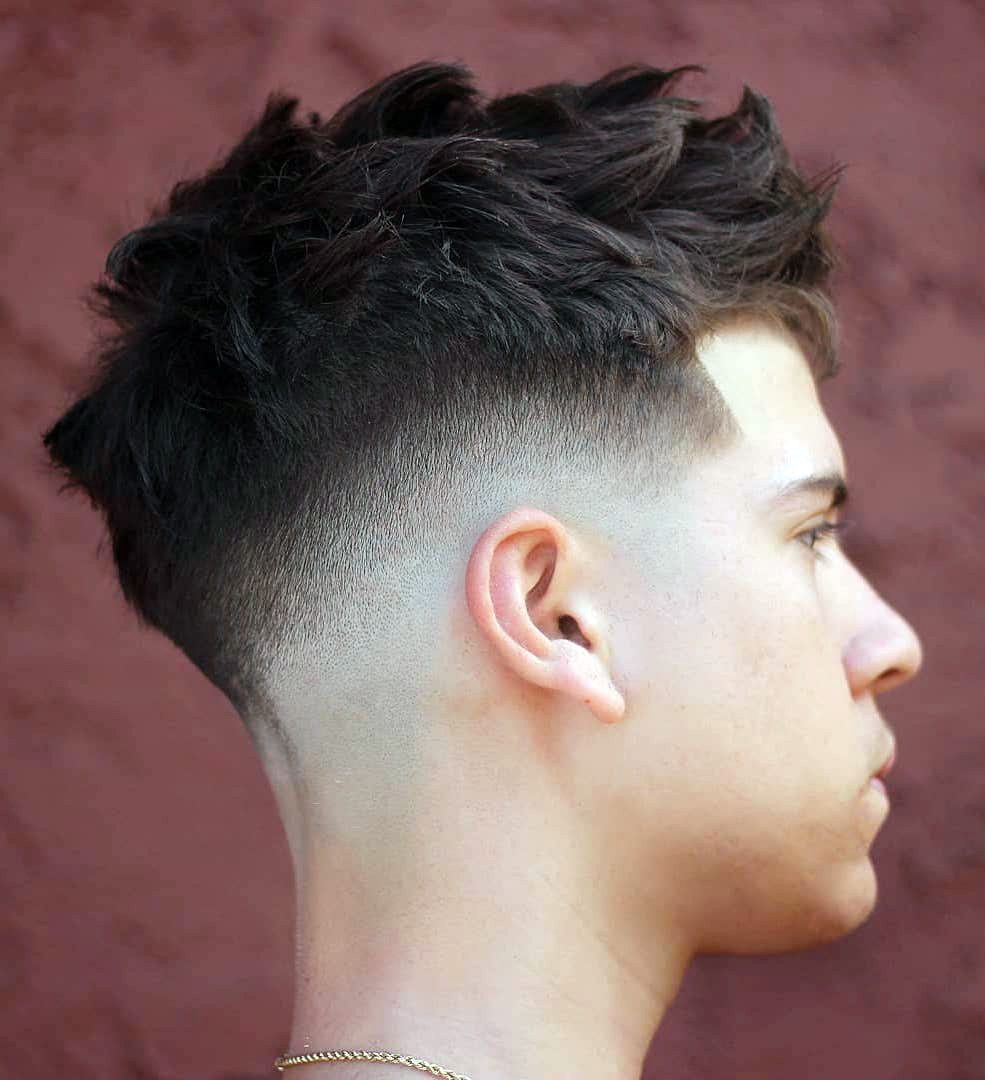
At its core, a low taper fade is a precision haircut that involves gradually shortening the hair at the lowest points of the hairline—specifically around the ears and at the nape of the neck. Unlike a traditional fade that might scalp the hair high up on the sides, the “low” aspect of this cut ensures that the transition begins just above the ears, leaving more hair on the sides and back for a subtle, blended look.
The Core Definition
A low taper fade is characterized by its understated elegance. It doesn’t scream for attention like a high skin fade; instead, it whispers sophistication. The barber uses clippers to blend the hair from a longer length on top down to a very short length (often to the skin) at the very edges of the hairline.
In 2026, the trend has shifted toward natural movement and texture. Men are moving away from overly “plastered” looks and toward styles that look great both in the boardroom and at a weekend music festival. The low taper fade provides the perfect foundation for this “quiet luxury” in grooming.
Taper vs. Fade: What’s the Difference?
One of the most common questions in barbershops today is the difference between a taper and a fade. While the terms are often used interchangeably, they represent different techniques:
A Taper: Gradually changes the hair length from long to short. It typically leaves the natural hairline intact at the back and sides.
A Fade: Usually goes much shorter, often blending into the skin (a “skin fade”). Fades typically cover a larger area of the head.
The Low Taper Fade: This is a hybrid. It uses the gradual blending of a taper but focuses the “fade” (the shortest part) at the very bottom of the hairline.
Why the Low Taper Fade Dominates in 2026
The longevity of the low taper fade isn’t accidental. It thrives because it solves multiple grooming problems at once. Here is why it remains a top-tier choice in 2026:
1. Professional Versatility
In 2026, the professional world is more flexible than ever, but looking “polished” still carries significant weight. The low taper fade is the ultimate “bridge” haircut. It is clean enough for high-stakes corporate environments but stylish enough to reflect a modern personality. Because it doesn’t expose too much scalp, it maintains a conservative silhouette while offering a sharp, modern edge.
2. Low Maintenance, High Impact
Not every man has 30 minutes to spend on his hair every morning. The beauty of the low taper fade is that it frames the face so well that even a “messy” top looks intentional. By keeping the edges around the ears and neck clean, the entire haircut looks fresh for longer.
3. Compatibility with All Hair Types
Whether you have bone-straight hair, thick curls, or wavy locks, the low taper fade works. It acts as a “frame” for the masterpiece on top. By removing bulk from the bottom, it prevents the “mushroom” look that many men fear when their hair grows out.
Top Low Taper Fade Variations for Different Hair Textures
To truly master this look, you must understand how it interacts with your specific hair texture. In 2026, customization is king.
The Wavy Low Taper
For men with natural waves, the low taper fade is a game-changer. It allows the waves to take center stage on top while keeping the sides neat.
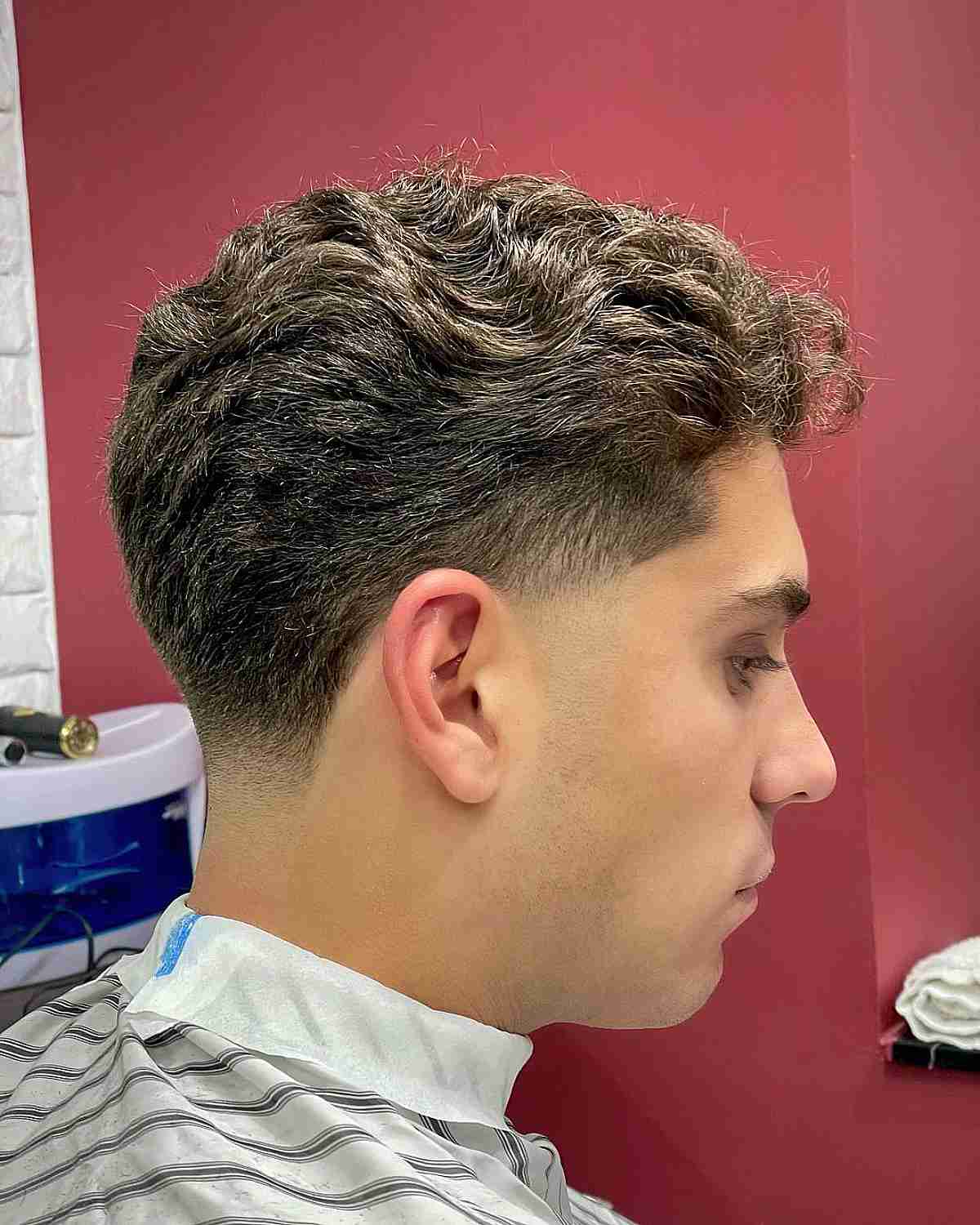
As seen in the image above, brushed-back wavy hair paired with a low taper creates a look of effortless cool. The key here is to use a light-hold cream or sea salt spray to maintain the natural flow of the waves without making them stiff.
The Curly Low Taper
Curls often come with a lot of volume, which can become unmanageable on the sides. A low taper fade removes that “poofiness” around the ears, creating a balanced and structured look. In 2026, many men are opting for a “heavy top” curly look, where the curls are left long and bouncy, contrasted by a sharp, skin-tight taper at the nape.
The Fine or Straight Hair Low Taper
If you have fine hair, you might worry that a fade will make your hair look thinner. However, a low taper fade actually does the opposite. By creating contrast between the very short hair at the bottom and the slightly longer hair on the sides and top, it creates an illusion of density and thickness.
How to Communicate with Your Barber
The biggest mistake men make is walking into a shop and simply saying, “Give me a low taper fade.” To get the best results in 2026, you need to be specific. Here is a checklist of what to discuss with your stylist:
1. The Starting Point
Tell your barber exactly where you want the fade to begin. For a true low taper, it should start just above the ear and at the very base of the neck. If they start the blending at the temple, you are moving into “mid-fade” territory.
2. The Length on Top
The low taper fade requires balance. Because the sides have more hair than a traditional high fade, you generally want at least 2–4 inches of length on top to create a stylish contrast. Ask for “textured length” if you want a modern, messy look, or “blunt length” if you prefer a classic side part.
3. The Nape Shape
Do you want a “blocked” nape (a straight line), a “rounded” nape, or a “tapered” nape? In 2026, the tapered nape is the most popular because it grows out more naturally and doesn’t leave a harsh line as your hair returns.
4. Sideburns
Decide if you want your sideburns faded into your beard or kept sharp. A seamless transition from a low taper into a well-groomed beard is one of the most sought-after looks this year.
Styling Your Low Taper Fade at Home
Once you leave the barber chair, the responsibility of maintaining that “fresh out of the shop” look falls on you. Fortunately, styling a low taper fade is relatively straightforward.
Essential Products for 2026
Matte Clay/Paste: Ideal for those who want a natural, non-shiny finish with plenty of texture. Perfect for the “messy” low taper look.
Pomade (Water-Based): Best for classic styles, side parts, or slicked-back looks. It provides a higher shine and firmer hold.
Sea Salt Spray: A 2026 favorite for adding volume and “grit” to fine or wavy hair before blow-drying.
Beard Oil: If your low taper fades into a beard, keeping the facial hair hydrated is essential for a cohesive look.
The Morning Routine
- Dampen the Hair: Start with slightly damp hair. This makes the hair more pliable.
- Apply Pre-Styler: If you’re using sea salt spray or a volumizing mousse, apply it now.
- Blow Dry: Use a blow dryer on a medium heat setting. Use your fingers to lift the hair at the roots to create volume and movement.
- Define the Taper: Use a tiny amount of product to smooth down the hair just above the ears where the taper begins. This keeps the silhouette sharp.
- Finish the Top: Work a pea-sized amount of clay or pomade through the top, focusing on the ends to create texture.
Maintenance: Keeping the Edge Sharp
The only downside to a low taper fade is that because it is so precise, the “grow-out” is noticeable. To keep it looking perfect:
Visit your barber every 2–3 weeks. Even if you aren’t ready for a full haircut, a “taper cleanup” or “neck trim” can keep you looking sharp between major appointments.
Edge it yourself (with caution): If you are confident with a trimmer, you can carefully clean up the very bottom of your neck hair, but avoid touching the blended area around the ears—that’s a job for the pros.
Hydrate your scalp: Short hair exposes the skin more than long hair. Use a quality conditioner to prevent flakiness around the faded areas.
Face Shapes and the Low Taper Fade
One reason the low taper fade is so popular in 2026 is its ability to contour the face.
Oval Faces: You can pull off almost any version of this cut. Feel free to experiment with high volume on top.
Round Faces: A low taper fade with a bit more height on top can help elongate the face, making it appear slimmer.
Square Faces: The softness of a low taper can help balance a sharp, angular jawline.
Heart/Triangular Faces: Keeping the sides slightly fuller (which a low taper does) helps balance a wider forehead or a narrower chin.
The Cultural Impact: Why We Still Love It
The low taper fade isn’t just a haircut; it’s a cultural staple. It has roots in the military and the barbershops of the 1950s, but it was refined by the hip-hop and urban culture of the 80s and 90s. Today, it represents a global standard of cleanliness and attention to detail.
In 2026, we see celebrities, athletes, and tech moguls all sporting variations of the low taper. It’s a “safe” choice that doesn’t feel boring. It’s a “bold” choice that doesn’t feel unprofessional. It is, quite simply, the most balanced haircut in a man’s arsenal.
Conclusion
The low taper fade haircut is more than just a passing trend; it is a timeless technique that has been perfected for the modern era. By focusing on a subtle transition at the ears and nape, it provides a clean, framed look that enhances any hair texture and face shape.
As we move through 2026, the emphasis is on texture, health, and personalization. Don’t be afraid to talk to your barber about how to make this classic cut work specifically for you. Whether you’re rocking thick curls, beachy waves, or sleek straight hair, the low taper fade is your ticket to a polished, confident appearance.
Are you ready to elevate your style? Book that appointment, show your barber the references in this guide, and experience the transformative power of a perfectly executed low taper fade.