
The low fade haircut has transcended being a mere trend to become a foundational element of modern grooming. For Black men and women, the low fade is more than just a haircut—it is a statement of precision, cultural heritage, and personal style. As we step into 2026, the versatility of the low fade has reached new heights, blending traditional barbering techniques with modern, avant-garde artistic flair.
Whether you are looking for a subtle, professional taper or a sharp, head-turning design, understanding the nuances of the low fade is essential. This guide explores the best low fade haircut styles for 2026, offering insights into how to customize your look for maximum impact.
Why the Low Fade Dominates 2026 Grooming Trends
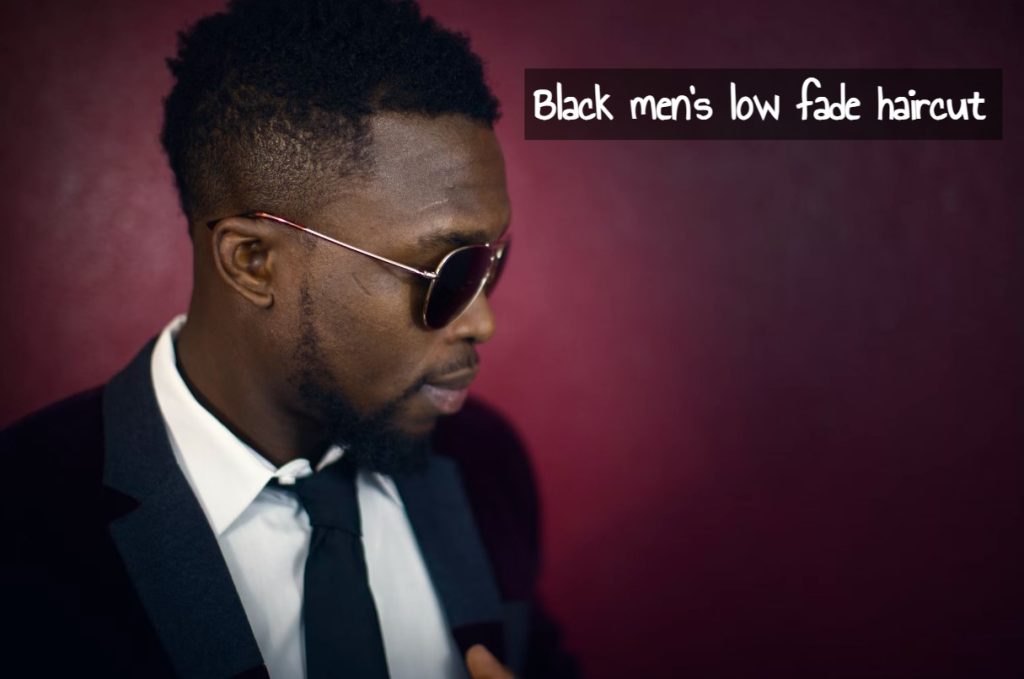
The low fade is defined by its subtle transition, where the hair begins to taper very close to the ears and the neckline. Unlike high or mid fades, which draw the eye upward, the low fade provides a clean, sophisticated silhouette that complements virtually every face shape.
For Black men, the low fade acts as a canvas for crisp line-ups and intricate hair art. It provides a self-confidence boost that comes from knowing your edges are sharp and your blend is seamless. In 2026, the focus has shifted toward “soft tapering,” where the transition between hair lengths is almost invisible, creating a smooth, polished appearance that remains professional in any setting.
Top Low Fade Styles for Black Men
The beauty of the low fade lies in its adaptability. In 2026, we are seeing a resurgence of classic styles fused with modern geometry.
1. The Textured Crop with Low Skin Fade
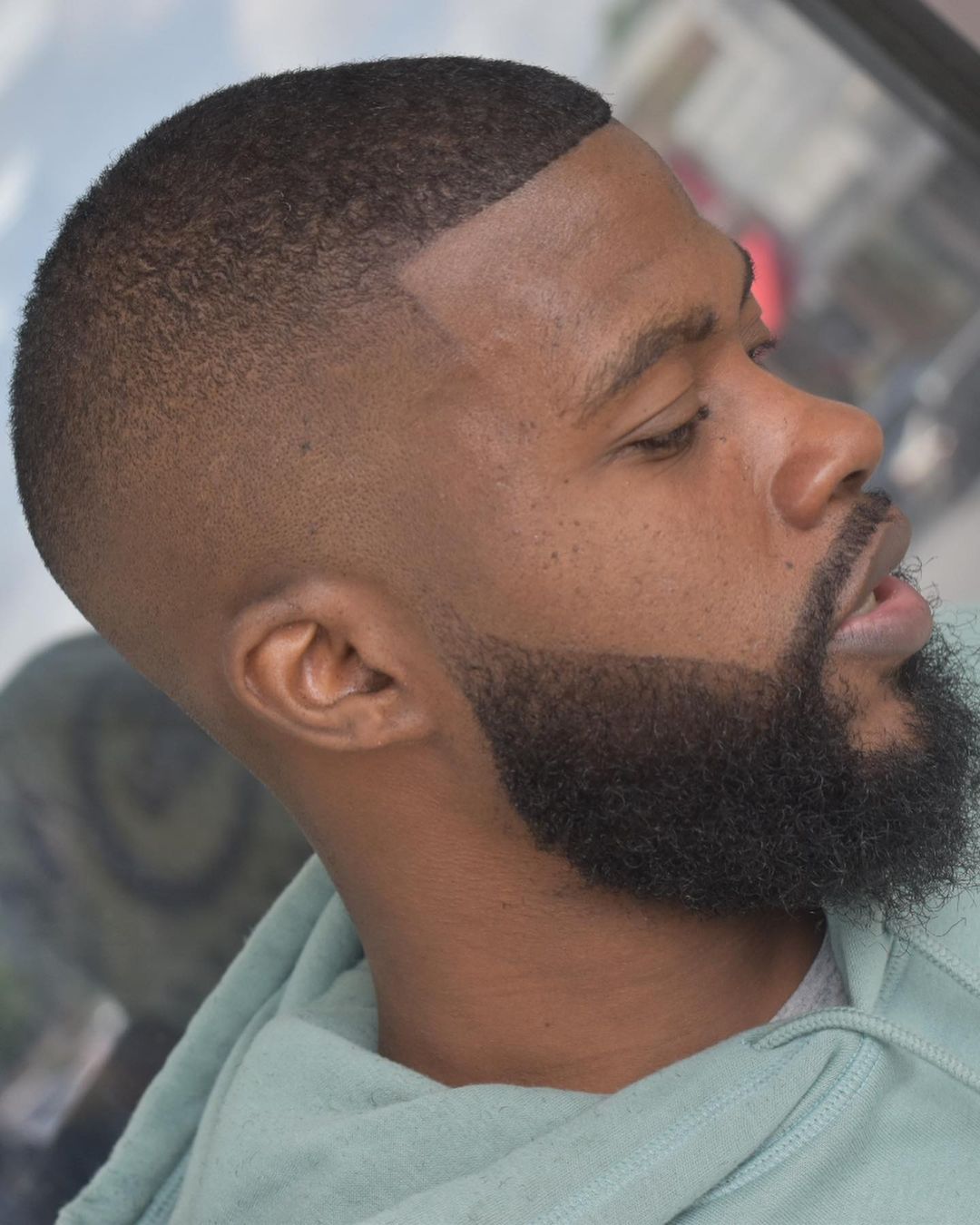
This style is perfect for those who want a low-maintenance look that still feels trendy. By pairing a textured, natural-looking top with a precision skin fade at the sides, you create a striking contrast. This style is particularly popular for its ability to highlight the natural curl pattern of afro-textured hair while keeping the perimeter pristine.
2. The Low Taper Fade with Line-Up
If you prefer a more conservative look that retains some length, the low taper fade is your go-to. Unlike a skin fade, a taper focuses on the hairline and the nape of the neck. When finished with a razor-sharp line-up, it gives an immediate sense of power and gravitas. It is the ultimate “fresh look” for those who want to minimize the need for frequent, costly barber trips.
3. The Burst Low Fade
For those who want to stand out, the burst fade creates a semi-circle around the ear. When applied as a “low” version, it remains subtle while adding a unique architectural element to the haircut. It works exceptionally well with mohawks or voluminous afro styles, providing a focal point that draws attention to the jawline.
Creative Low Fade Styles for Black Women
The narrative that fades are exclusively for men is long gone. In 2026, Black women are embracing the low fade as a bold, empowering fashion statement that highlights femininity through sharp contrast.
1. The Tapered Afro with Low Fade
This style is the pinnacle of chic. By keeping the center of the hair voluminous and natural, and tapering the sides down to a low fade, you create an elongated, regal look. It is an excellent way to manage dense hair while showcasing your facial features.
2. The Geometric Undercut Fade
For the adventurous, the low fade can serve as a base for hand-carved designs. Whether it’s a simple line or a complex floral pattern, the low fade provides the perfect, clean background for these artistic details. This style is all about personal expression and breaking away from traditional beauty standards.
3. The Soft Pixie Fade
If you are looking for a shorter transition, the pixie fade is both elegant and edgy. It is a soft, feminine take on the classic fade, perfect for those who want a low-maintenance routine without sacrificing style.
How to Ask Your Barber for the Perfect Low Fade
Communication is the most critical step in achieving the look you desire. Many people walk out of the barbershop unsatisfied simply because they lacked the terminology to describe their vision. Here is your 2026 cheat sheet:
Specify the “Drop”: If you want the fade to follow the shape of your ear and drop down to the nape, ask for a “drop low fade.”
Define the Length: Be specific about how short you want the bottom. Do you want a “skin fade” (down to the scalp) or a “number 1/2 guard” (a slight shadow)?
Discuss the Line-Up: Always mention if you want a natural hairline or a crisp, razor-edged line.
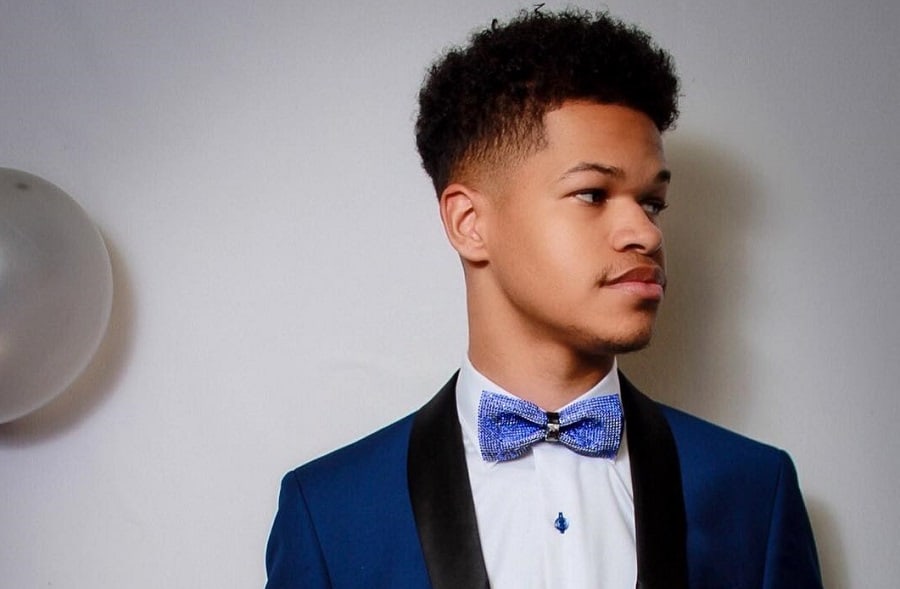
Bring Reference Photos: Visual aids are invaluable. Use the images provided in this guide to show your barber exactly the level of “blend” you are looking for.
Maintaining Your Fade Between Appointments
One of the biggest advantages of the low fade is that it looks cleaner for longer than a high fade. However, to keep it looking fresh throughout 2026, you need a routine.
- Edge Up at Home: Invest in a high-quality pair of trimmers. Learning to maintain your own neckline can save you significant time and money between professional visits.
- Moisturize the Scalp: When hair is cut short, the scalp is exposed. Use a lightweight, non-greasy oil or moisturizer to prevent dryness and irritation.
- Use a Durag or Wave Cap: If you are rocking a low-fade with waves or a short textured top, proper compression is key to maintaining your pattern and keeping the hair laid flat.
- Regular Maintenance: Even a “low” fade will eventually lose its edge. Plan to visit your barber every 10–14 days to keep the lines crisp and the blend smooth.
The Cultural Impact of the Fade in 2026
The low fade has evolved from a simple grooming choice into a symbol of identity. In 2026, it represents a commitment to self-care and a celebration of natural hair texture. It is a style that bridges the gap between the professional boardroom and the creative studio.
Statistics indicate that over 65% of men and women opting for short haircuts in 2026 choose some variation of a fade. This popularity is driven by the ease of styling and the undeniable confidence that comes with a fresh cut. Whether you are leaning into a minimalist aesthetic or utilizing the fade as a canvas for complex designs, the low fade remains the most versatile tool in your grooming arsenal.
Conclusion
The low fade haircut is, without question, the most adaptable and stylish option for Black hair in 2026. Its ability to frame the face, showcase natural texture, and provide a clean, professional aesthetic makes it a timeless choice. By understanding the different variations—from the sharp skin fade to the soft, tapered cut—you can tailor your look to reflect your unique personality.
Remember, the key to a great haircut is not just the skill of the barber, but the clarity of your request. Use the tips provided, maintain your edges, and wear your fade with the confidence it deserves. Whether you are keeping it simple or going for an intricate design, your low fade is a reflection of your commitment to your personal brand.