
The fade haircut has cemented its status as the most iconic, versatile, and enduring trend in men’s grooming. As we navigate through 2026, the evolution of the fade has reached new heights of precision and personalization. Whether you are looking for a professional, clean-cut office look or a bold, streetwear-inspired aesthetic, understanding the different types of fade haircut styles is essential before you head to the barber’s chair.
A fade, at its core, is a technique where the hair length gradually transitions from short to even shorter—or down to the skin—as it moves toward the neckline. This graduation creates a seamless, blurred effect that makes any haircut look cleaner, sharper, and more modern. In this guide, we will break down everything you need to know to choose the perfect fade for your face shape, hair texture, and lifestyle.
Understanding the Anatomy of a Fade
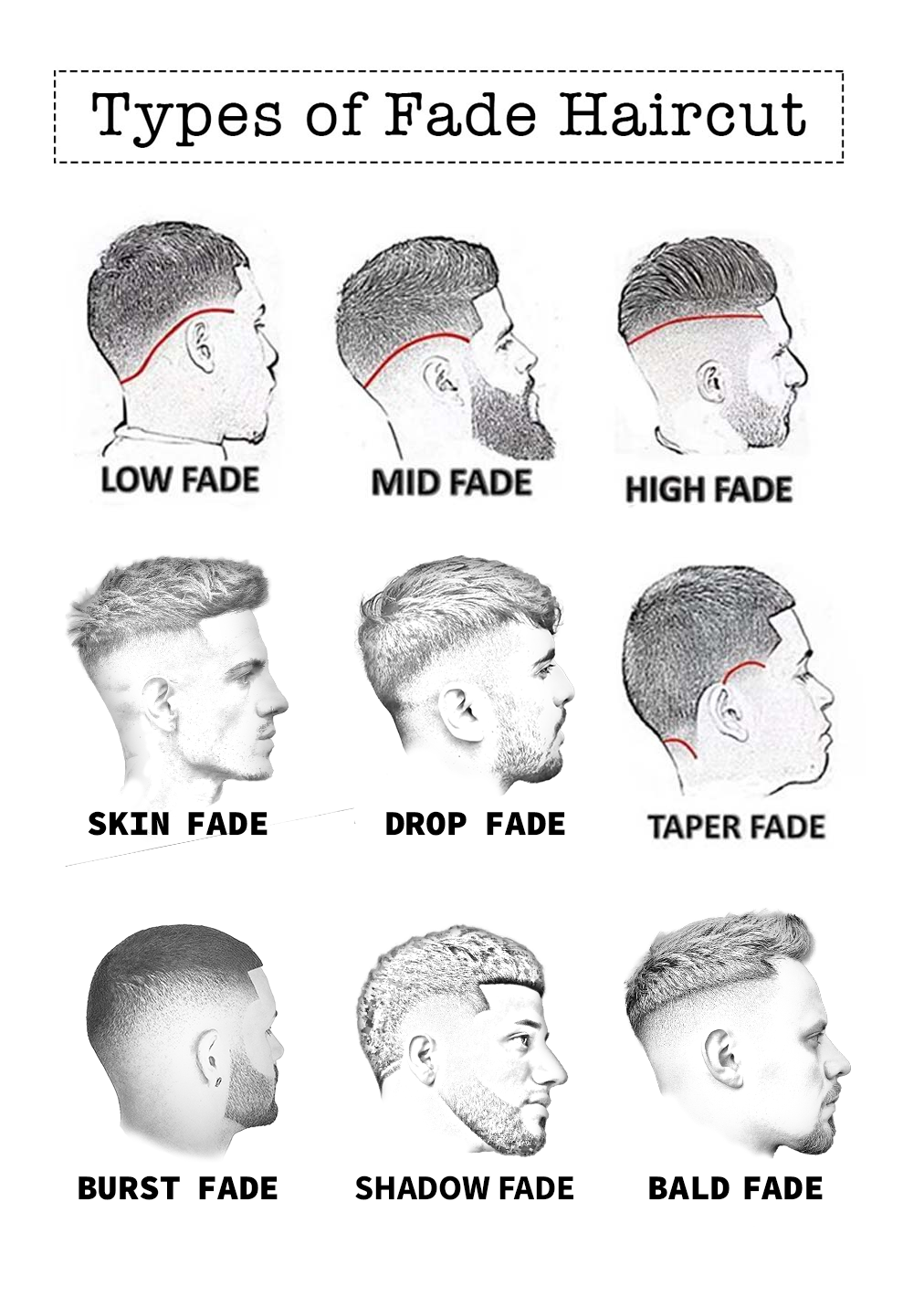
Before choosing a specific style, it is vital to understand that a fade is defined primarily by the starting point of the transition. The height of the fade dictates the overall silhouette of your haircut.
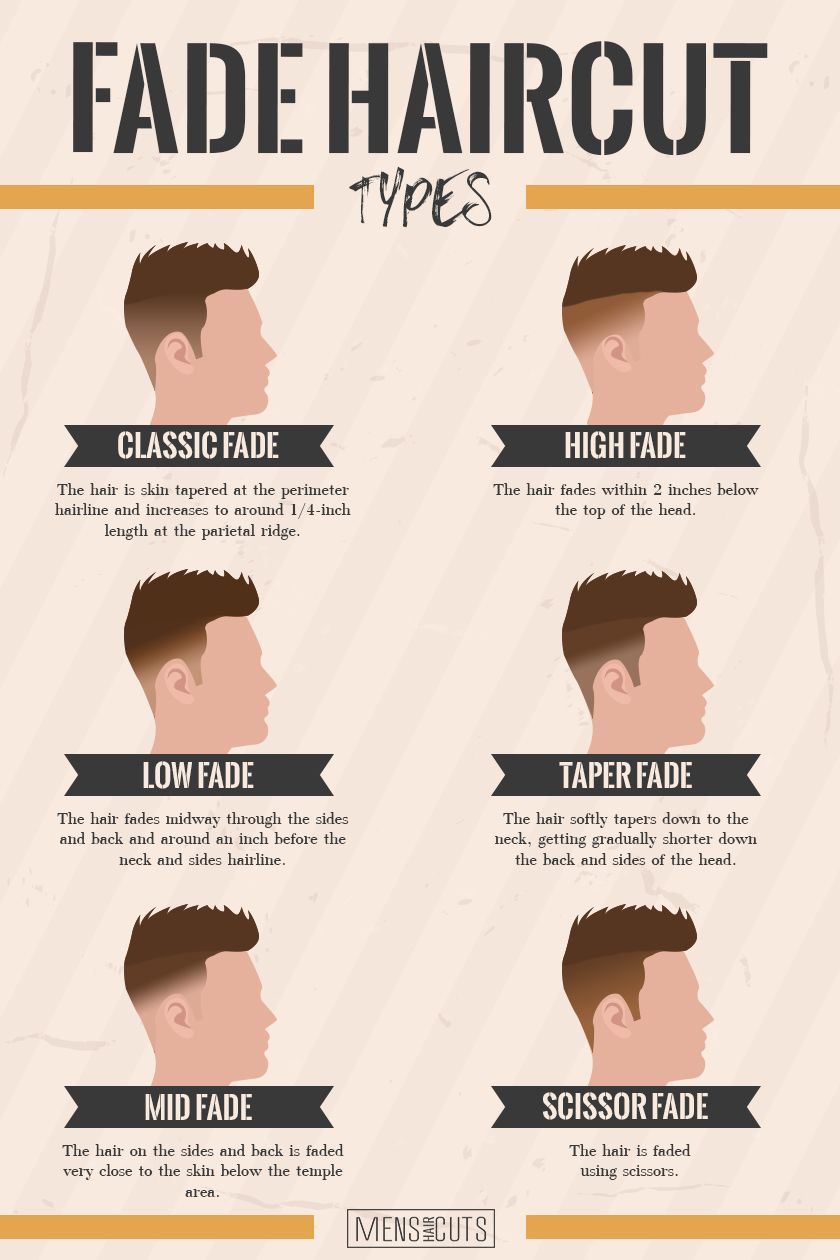
High Fades: These start high up on the head, near the temples or the crown. They offer a high-contrast look that is bold and attention-grabbing.
Mid Fades: Falling right between the temples and the ears, the mid-fade is the “goldilocks” option. It is professional enough for work but stylish enough for a night out.
Low Fades: These start just above the ears and neckline. They are perfect for men who want a subtle, sophisticated transition without exposing too much scalp.
The Top 5 Types of Fade Haircut Styles for 2026
The variety of fades available today is staggering. By combining different heights with specific techniques, barbers can create a unique masterpiece for every client. Here are the most popular styles trending in 2026.
1. The Skin Fade (Zero Fade)
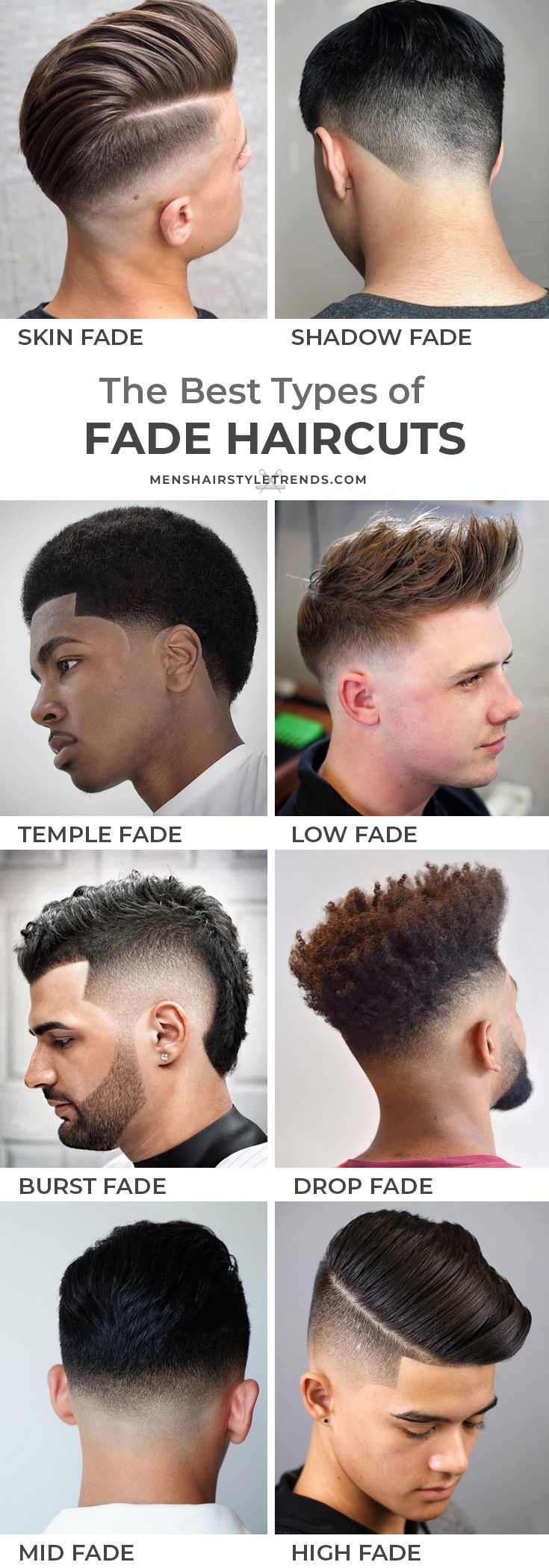
The Skin Fade remains the most popular choice for those who crave a high-contrast, ultra-clean aesthetic. By taking the hair down to the skin at the base, the transition becomes incredibly dramatic. This style works exceptionally well with pompadours, crew cuts, and textured crops. It requires more frequent maintenance—usually a touch-up every 10–14 days—to keep that sharp, “fresh from the barber” look.
2. The Burst Fade
The Burst Fade is a unique style that curves around the ear, leaving the hair longer at the nape of the neck. Originally popularized by the mohawk and faux-hawk, it has evolved into a versatile style that looks great on curly and wavy hair textures. It is an excellent way to add personality to your cut without going for a full-head buzz.
3. The Drop Fade
The Drop Fade is a masterclass in geometry. Instead of a straight line across the back of the head, the fade “drops” behind the ear, following the natural curve of the skull. This creates a balanced, aesthetically pleasing look that works perfectly for men with rounder or oval face shapes. It is currently one of the most requested styles in elite barbershops globally.
4. The Temp (Temple) Fade
Also known as a Brooklyn Fade or Taper Fade, the Temp Fade focuses on the temple area. It is a refined, subtle cut that cleans up the hairline and creates a sharp frame for the face. This is the go-to style for men who want a professional look while keeping their hair length consistent on the sides.
5. The Taper Fade
The Taper Fade is the most conservative of the bunch. It offers a gradual reduction in length, but the hair is not taken down to the skin. This makes it an ideal choice for corporate environments or for those who prefer a more classic, “gentlemanly” appearance.
Matching Your Fade to Your Hair Type
Not all fades are created equal when it comes to hair texture. According to industry experts, your hair density and curl pattern should dictate your choice of fade.
Straight Hair: Almost any fade works here. High skin fades are particularly effective at highlighting the contrast between the sides and the top.
Wavy Hair: A mid-drop fade helps manage the volume on the sides, preventing a “mushroom” effect as the hair grows out.
Curly/Coily Hair: A Burst Fade or a High Skin Fade is highly recommended. These styles allow the natural texture on top to stand out while keeping the edges clean and sharp.
Expert Maintenance Tips for 2026
Getting a great fade is only half the battle; maintaining it is where the real work begins. To ensure your fade stays sharp, consider these expert-backed tips:
- Frequency is Key: If you have a high skin fade, you should plan to visit your barber every two weeks. For a standard taper fade, you can usually stretch it to three or four weeks.
- Invest in Quality Products: Use a high-quality matte clay or pomade to style the top. Avoid heavy, greasy gels that can weigh down your hair and make the fade look messy.
- Scalp Health: Because a skin fade exposes your scalp to the elements, always use a moisturizing scalp tonic or a light oil to prevent dryness and flaking.
- Communication with your Barber: Don’t just say “give me a fade.” Bring a photo of the specific style you want. Mention the “height” (low, mid, high) and the “technique” (skin, taper, drop).
Why the Fade Continues to Dominate
The reason the fade has remained a dominant force in men’s fashion for over a decade is its unmatched versatility. It is a equalizer; it looks just as good on a busy executive as it does on a college student or an athlete.
Statistics in 2026 indicate that over 70% of men under the age of 40 opt for some variation of a fade during their regular grooming routine. This isn’t just a trend; it is a fundamental shift in how men approach personal presentation. By keeping the sides tight, you draw attention to the top of your head, allowing you to experiment with different lengths, colors, and textures on top without worrying about the sides looking unkempt.
Conclusion: Finding Your Signature Style
Choosing from the many types of fade haircut styles can feel overwhelming, but it is ultimately a fun way to express your personality. Whether you gravitate toward the boldness of a high skin fade or the subtle class of a taper, the key is consistency and finding a barber who understands your specific hair growth patterns.
As you step into the rest of 2026, remember that your haircut is an extension of your personal brand. Don’t be afraid to experiment. Start with a low fade if you are nervous, and work your way up to a higher, more dramatic transition as you get more comfortable. With the right cut and the right maintenance, you will keep your style looking sharp, modern, and perfectly groomed all year long.
Beyond the initial choice of fade height, the world of fade haircuts offers even more nuanced variations, each capable of dramatically altering your look and personal aesthetic. Understanding these subtleties allows for a truly customized style that speaks volumes about your attention to detail.
Exploring Advanced Fade Variations for Distinctive Looks
While low, mid, and high fades define the starting point and transition height, specific fade styles introduce unique contours and shapes:
The Drop Fade: Unlike a standard fade that maintains a relatively horizontal line around the head, the drop fade curves downward behind the ear, following the natural shape of the head and creating a distinctive “drop” effect. This style offers a softer, more integrated look, often preferred by those who want to blend the fade seamlessly into a longer top or a beard. It can soften sharper facial features and is incredibly versatile, working well with various top styles from textured crops to longer quiffs.
The Burst Fade: A highly dynamic and eye-catching style, the burst fade creates a radial pattern around the ear. The hair is faded outward from a central point behind the ear, leaving the hair at the nape of the neck longer, often to blend into a natural neckline or a short, disconnected look. This fade is commonly paired with mohawks, faux hawks, or even longer, flowing top sections, providing a dramatic contrast and a bold, modern edge. It’s a statement fade that exudes confidence and can frame the face beautifully.
The Temple Fade (Temp Fade): Also known as a Brooklyn fade or a box fade, the temple fade focuses the fade primarily around the temples and sideburns. The fading doesn’t extend as far down the back of the head, often leaving the hair on the sides relatively longer than a full skin fade. This style is particularly popular with shorter haircuts, especially among those with coarse or curly hair textures, as it provides a clean, sharp outline without requiring a full head fade. It’s excellent for defining the hairline and creating a crisp, geometric look.
Tailoring Your Fade: Hair Texture and Face Shape Considerations
The ideal fade isn’t just about personal preference; it also harmonizes with your unique hair texture and face shape. A skilled barber will consider these elements to ensure the fade enhances your features.
Hair Texture:
Straight Hair: Fades on straight hair typically result in very sharp lines and clean, smooth transitions, emphasizing the gradient. Precision is key to avoid choppy sections.
Wavy/Curly Hair: Fades are excellent for managing volume on the sides while allowing the natural texture to flourish on top. The fade itself can appear softer due to the natural curl patterns, requiring careful blending to avoid a disconnected look. A longer fade transition often works best to accommodate the curl.
Coarse/Thick Hair: This hair type can present a challenge but also offers a fantastic canvas for fades. The density allows for incredibly smooth, almost painted-on transitions. Barbers must pay extra attention to thoroughly fading out the bulk to prevent a “shelf” effect where the fade abruptly ends.
Face Shape:
Round Faces: A higher fade can create the illusion of more length and angularity, helping to elongate the face. Pairing it with a voluminous top can further balance proportions.
Square Faces: Mid or low fades can soften the strong jawline and angular features, providing a less severe look. A slight taper or a fade that gradually blends into a longer top can also complement.
Oval Faces: Considered the most versatile, oval faces can typically pull off almost any fade style, from high and tight to low and subtle. Experimentation is encouraged.
Long/Oblong Faces: Lower fades are generally recommended to avoid further elongating the face. Keeping more hair on the sides can help to add width and balance the facial proportions.
Advanced Styling and Product Recommendations for Fade Haircuts
A great fade is only half the battle; how you style the top makes all the difference. The contrast between the short sides and a styled top is what truly defines the modern fade haircut.
Styling the Top:
The Quiff/Pompadour: For a classic, voluminous look, apply a strong-hold pomade or clay to damp hair. Use a blow dryer and a round brush to lift the roots upwards and backwards, shaping the front into a wave or a defined peak. Finish with a light hairspray for extra hold.
The Textured Crop: This popular style thrives on movement. Apply a matte paste or texturizing cream to dry hair. Use your fingers to create separation and texture, pushing the hair forward or slightly to the side. A sea salt spray can be used as a pre-styler for added grit.
The Slick Back: For a sophisticated, clean finish, use a strong-hold gel or oil-based pomade on damp hair. Comb all the hair straight back, ensuring an even distribution of product. For a polished look, use a fine-tooth comb.
The Messy Fringe: Embrace natural movement. Apply a light-hold cream or mousse to damp hair, then air dry or gently blow dry while scrunching to enhance texture. Style the fringe forward or slightly to the side with your fingers.
Product Breakdown:
Pre-styling Sprays: Sea salt sprays add texture and volume, while heat protectant sprays are crucial before blow-drying.
Hold Products:
Pomades (Water-based): Offer shine and strong hold, easy to wash out. Ideal for slick backs and classic styles.
Pomades (Oil-based): Provide a stronger, more flexible hold with a higher shine, but can be harder to wash out. Great for vintage looks.
Clays & Pastes: Offer a matte to natural finish with medium to strong hold, perfect for textured, messy styles.
Gels: Provide maximum hold and shine, best for structured, spiky, or wet-look styles.
- Finishing Sprays: Hairspray can lock in a style, especially for quiffs or pompadours, ensuring longevity throughout the day.
The Enduring Appeal and Cultural Impact of the Fade
The fade haircut isn’t just a trend; it’s a phenomenon. Its origins can be traced back to military haircuts and later became a cornerstone of urban barbering culture, particularly in communities where sharp, clean lines and meticulous grooming were paramount. From the 1980s and 90s hip-hop scene to its current ubiquitous presence across all demographics, the fade has consistently ranked among the most requested and influential hairstyles globally. Its adaptability to various hair types, lengths, and personal expressions ensures its timeless appeal. It’s a statement of modernity, precision, and personal care.
Conclusion: Your Fade, Your Statement
The journey into the world of fade haircuts is one of discovery and personal expression. From the subtle elegance of a low drop fade to the bold statement of a high burst fade, there’s a variation perfectly suited to every individual. Remember, your barber is your greatest ally in this journey. They possess the expertise to not only execute the perfect fade but also to advise on the best style for your hair type, face shape, and lifestyle. Don’t be afraid to engage in detailed conversations, bring inspiration photos, and clarify your preferences. With the right cut, the appropriate styling products, and a commitment to regular maintenance, your fade will continue to be a powerful extension of your personal brand, radiating confidence and impeccable style throughout 2026 and beyond. Embrace the versatility, experiment with variations, and let your haircut be a testament to your unique identity.