
The fade has evolved from a niche barbering technique into the undisputed king of modern grooming. If you have stepped into a barbershop anytime in the last decade, you have likely heard the term thrown around constantly. But what exactly are fades in haircuts, and why does it remain the most requested style for 2026?
At its core, what are fades in haircuts? They are a precise blending technique where the hair on the sides and back of the head is transitioned from longer lengths at the top to shorter lengths toward the neckline. By utilizing different clipper guard sizes, a skilled barber creates a seamless, gradient effect that makes the hair appear to “fade” into the skin. It is the ultimate way to achieve a clean, sharp, and high-contrast look that elevates any hairstyle.
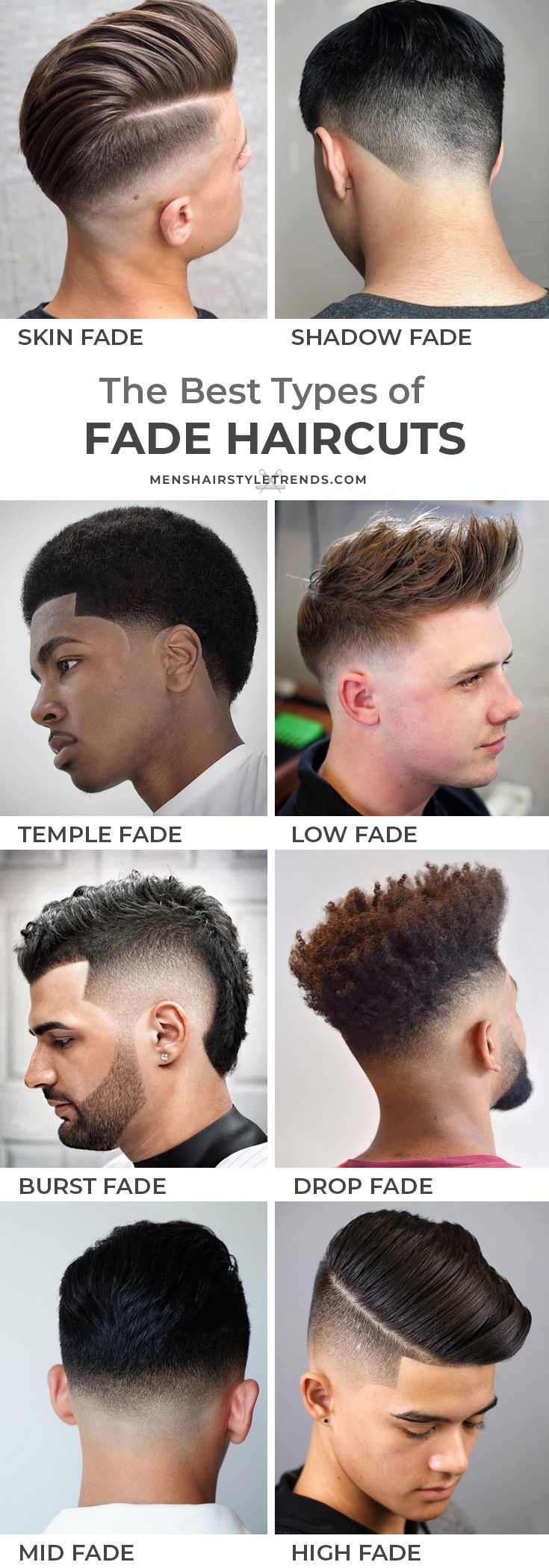
Understanding the Anatomy of a Fade Haircut
To truly understand what are fades in haircuts, you must look at how they are constructed. The primary goal of a fade is to create a gradient transition. Unlike a standard clipper cut where the hair is one uniform length, the fade requires technical precision.
The process involves the barber starting with a longer guard at the parietal ridge (the roundest part of the head) and gradually switching to shorter guards as they move downward. This creates a clean-cut aesthetic that removes bulk from the sides, making the hair on top look thicker and more styled by comparison. Whether you prefer a subtle taper or a dramatic skin-tight finish, the anatomy remains the same: it’s all about the blend.
The Four Main Types of Fades Explained
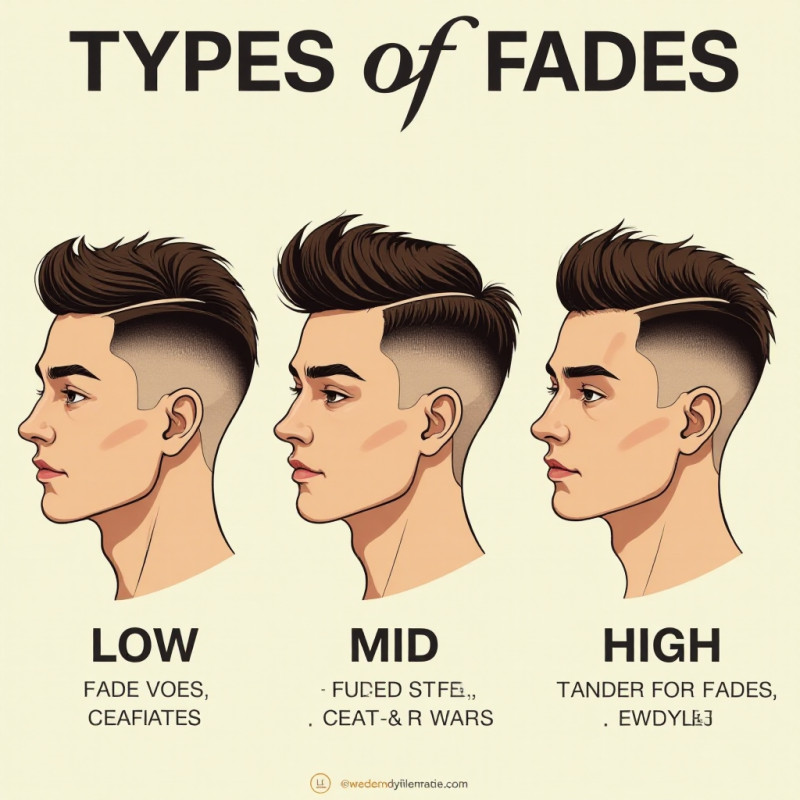
Not all fades are created equal. In 2026, the industry has standardized four primary categories based on where the “transition point” begins. Knowing these distinctions will help you communicate exactly what you want to your barber, and truly grasp what are fades in haircuts.
1. The Low Fade
The low fade begins just above the ears and the hairline. It is the most conservative option, making it perfect for professionals or those who want a subtle, clean look without exposing too much scalp. It provides a refined transition that works exceptionally well with longer hair on top, such as a textured quiff or a classic comb-over.
2. The Mid Fade
As the name suggests, the mid fade starts right around the temples or the middle of the sides. It strikes the perfect balance between the subtlety of a low fade and the boldness of a high fade. It is arguably the most versatile choice for 2026, as it complements almost every face shape and hair texture, from straight to curly.
3. The High Fade
The high fade is for those who want a sharp, bold statement. The blending begins much higher up, often near the crown of the head. This style creates a significant contrast between the top and the sides, drawing the eye upward and helping to elongate the appearance of the face. It is a high-maintenance look that requires frequent visits to the barber to keep the lines crisp.
4. The Skin (or Bald) Fade
The skin fade is a technique, not just a placement. It involves taking the hair down to the bare skin at the base of the neck. This provides the ultimate “sharp” look. It can be combined with any of the placements mentioned above (low, mid, or high) to create a dramatic, modern finish that is incredibly popular in urban fashion circles.
Why the Fade is the Most Versatile Cut for 2026
The reason the fade has maintained its dominance in 2026 is its sheer versatility. This versatility is a key aspect of understanding what are fades in haircuts. It is no longer just for men; individuals of all genders are adopting the fade to add structure to their style.
- Customization: You can pair a fade with a buzz cut, a pompadour, a mohawk, or even long, braided hair. This customization is a hallmark of what are fades in haircuts.
- Face Shape Correction: A well-executed fade can help balance your facial features. For example, a high fade can add height, while a low fade can help soften a strong jawline.
- Maintenance: While the fade itself requires regular maintenance, it makes styling the top of your hair significantly easier. Because the sides are kept short and tidy, you only have to focus on styling the hair on the crown.
Statistics from recent grooming surveys indicate that over 70% of barber shop visits involve some variation of a fade. This popularity is driven by the desire for a “low-effort, high-impact” appearance that looks just as good in a boardroom as it does at the gym.
How to Ask Your Barber for the Perfect Fade
Communicating with your barber is the most important step in getting a quality haircut. Avoid just saying “give me a fade.” Instead, use the terminology that professionals respect. Communicating effectively about what are fades in haircuts ensures you get the style you desire.
- Specify the Height: Clearly state whether you want a low, mid, or high fade.
- Specify the Length: Tell the barber how short you want the bottom to be. Do you want it to go down to the skin (a skin fade), or do you want a “number 1” or “number 2” guard at the bottom?
- Bring Visual References: In 2026, the best way to get what you want is to show a photo. Because “fades” can be interpreted differently, a visual guide ensures you and your barber are on the same page.
- Discuss Your Hair Texture: If you have coarse, curly, or fine hair, mention it. A good barber will adjust their techniques to ensure the blend looks smooth regardless of your hair’s natural growth pattern.
Maintaining Your Fade: The Pro Tips
A fresh fade looks incredible, but it is a style that fades (pun intended) quickly. Because the hair on the sides is cut so short, even a few millimeters of growth can disrupt the clean gradient. Understanding what are fades in haircuts also means understanding their maintenance.
Frequency: To keep a fade looking razor-sharp, you should aim to see your barber every two to three weeks.
Product Usage: Use lightweight pomades or texturizing powders for the top of your hair. Avoid heavy, greasy products that can build up and make the transition look messy.
Scalp Care: If you are rocking a skin fade, remember to moisturize your scalp. Exposed skin can become dry or irritated, especially if you are using high-quality clippers that exfoliate the area.
Edge-ups: A fade is only as good as its line-up. Ensure your barber is using a straight razor or precise trimmers to line up your temples and neckline. This “edge-up” is the finishing touch that makes the entire haircut pop.
The Future of Fades: Trends for 2026 and Beyond
As we move through 2026, we are seeing a shift toward “softer” fades. While the high-contrast skin fade remains a staple, many are opting for taper fades or “burst fades” that offer a more natural, grown-out look, further expanding the definition of what are fades in haircuts.
The burst fade, which curves around the ear, has become a massive trend for those with longer hair or mullets, blending the classic fade technique with more experimental silhouettes. Additionally, we are seeing more integration of hair art and designs within the fade itself. Geometric lines, stars, and tribal patterns are being etched into the faded sections, turning the scalp into a canvas for self-expression.
Conclusion
Ultimately, the fade is more than just a passing trend; understanding what are fades in haircuts reveals them as a fundamental pillar of modern hair styling. By understanding the different types—from the subtle low fade to the bold skin fade—you can confidently choose a style that suits your lifestyle, face shape, and personal aesthetic.
Whether you are looking for a clean professional appearance or an edgy, modern look, the precision inherent in what are fades in haircuts offers a level of styling few other haircuts can match. Remember, the secret to a great fade isn’t just the technique; it’s the communication between you and your barber. Use the terms we’ve discussed, keep up with your maintenance appointments, and you’ll be rocking the sharpest look in 2026.