
The fade haircut has cemented its place as the gold standard of modern men’s grooming. Whether you are aiming for a professional office look or a sharp, street-style aesthetic, the versatility of the fade is unmatched. As we move through 2026, the trend has shifted toward sharper lines, cleaner transitions, and personalized textures that frame the face perfectly.
Understanding the nuances between a low, mid, or high fade is the first step toward getting the perfect cut. In this comprehensive guide, we will break down every major fade style, provide expert maintenance tips, and help you decide which look best suits your hair type and face shape.
Understanding the Fade: Why It Remains the Top Choice in 2026
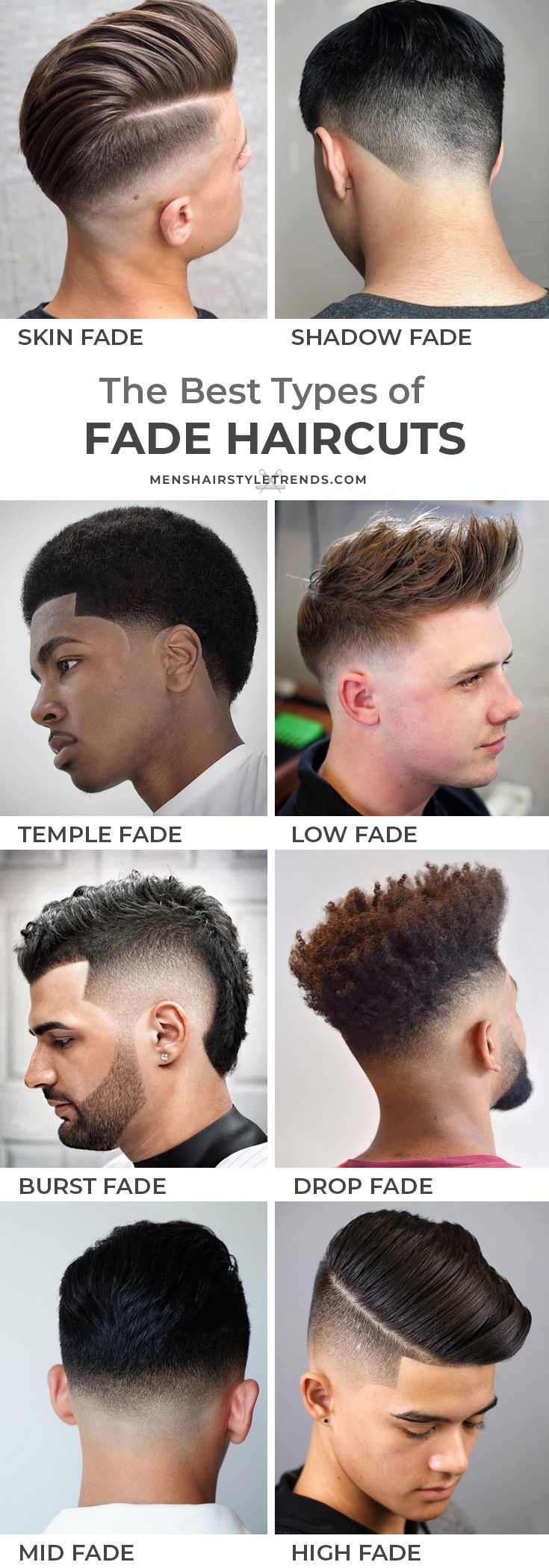
A fade haircut is defined by the gradual transition of hair length from the sides and back toward the top. Unlike a classic taper, which can be subtle, a fade is often more dramatic, creating a seamless blend that highlights the hair on the crown.
According to industry experts, the popularity of the fade stems from its low-maintenance nature and its ability to sharpen one’s facial features. In 2026, we are seeing a resurgence of “precision grooming,” where the contrast between the skin and the hair is balanced with intricate beard shaping or hard parts.
1. The Classic Fade Variations: Low, Mid, and High
The foundation of all fade styles lies in the starting point of the blend. Choosing the right height is essential for balancing your head shape and hair density.
The Low Fade
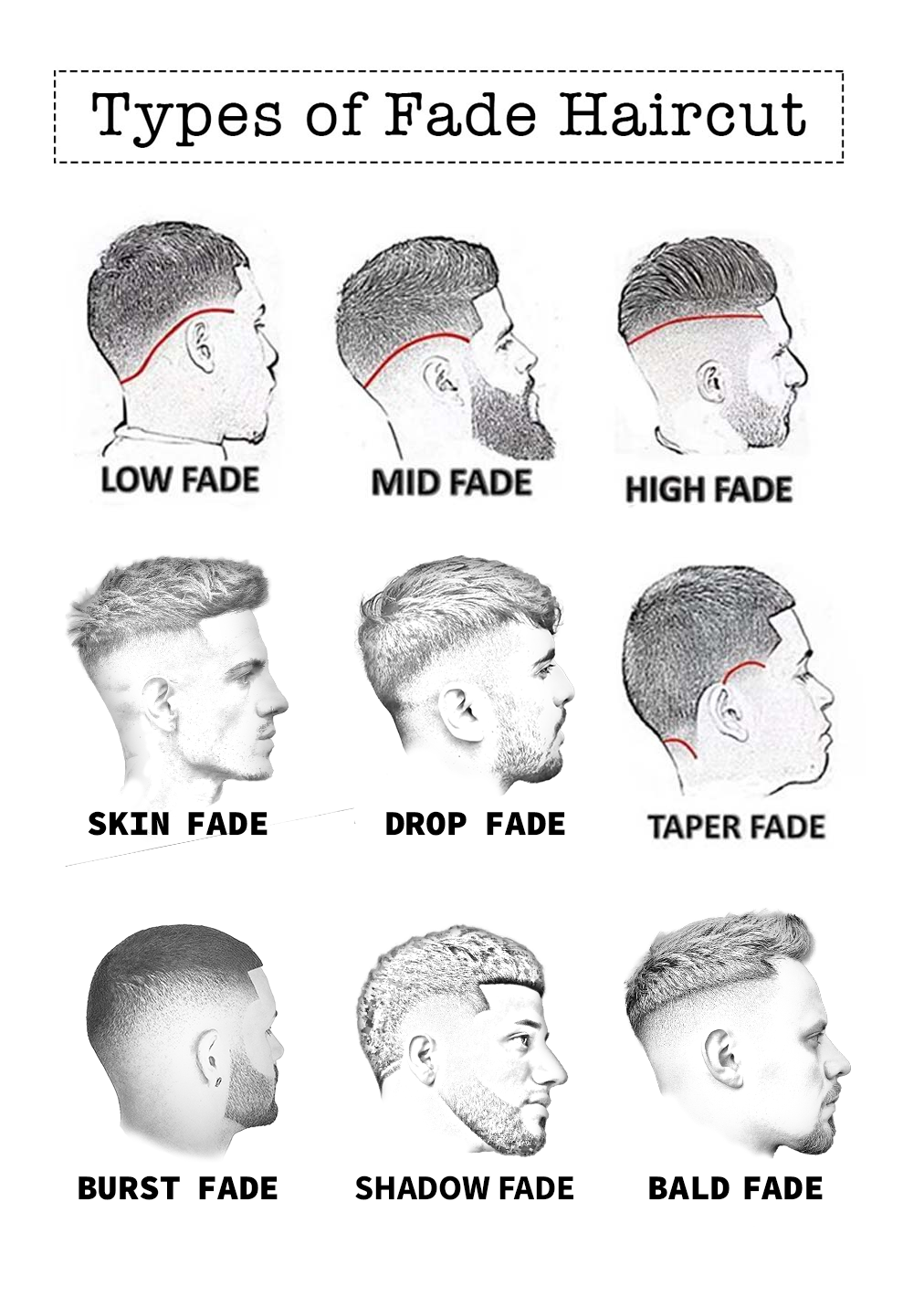
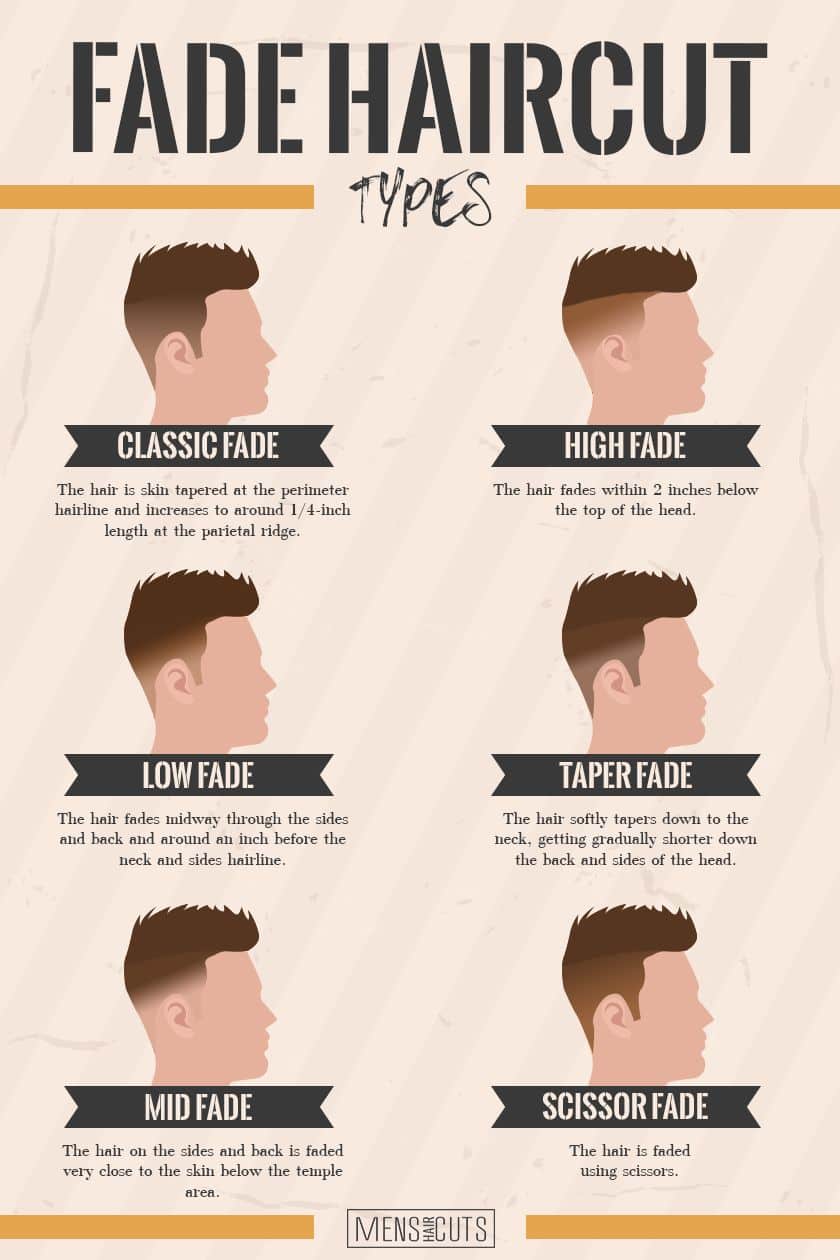
The low fade starts just above the ears and follows the hairline down to the neck. It is the most conservative option, making it ideal for professional settings or those who are new to fades. It provides a clean, polished look without exposing too much skin.
The Mid Fade
The mid fade is the “Goldilocks” of haircuts. It starts midway up the sides of the head, offering a perfect balance between a subtle look and a bold statement. It works exceptionally well with textured crops, pompadours, or side parts.
The High Fade
For those who want a bold, high-contrast look, the high fade is the way to go. It starts near the top of the head, leaving a smaller portion of hair to be styled. This style is excellent for elongating the face and emphasizing a sharp jawline.
2. Specialized Fade Techniques for 2026
Beyond the height, the technique used by your barber can change the entire vibe of the haircut. These specialized styles are currently dominating the trends in 2026.
The Skin Fade (Bald Fade)
The skin fade is a style where the hair is blended down to the bare skin. It is the cleanest look possible and requires frequent touch-ups—usually every 7 to 10 days—to maintain that crisp, white-wall appearance.
The Drop Fade
The drop fade is characterized by the fade line “dropping” behind the ear toward the neckline. This creates an arc that follows the natural shape of the skull. It is a highly popular choice for men with thick, wavy hair who want to maintain a bit of volume around the back of the head.
The Burst Fade
Originating from the mohawk style, the burst fade creates a semi-circle fade around the ear, leaving the hair longer at the nape of the neck. It is a dynamic, edgy cut that works perfectly with mullets or faux-hawks.
The Taper Fade
Often confused with a standard fade, the taper fade is much more focused on the natural hairline at the sideburns and the nape of the neck. It is a subtle, sophisticated approach that keeps the hair longer on the sides compared to a full skin fade.
3. Matching Your Fade to Your Hair Type
Not all fades are created equal when it comes to hair texture. Adapting the technique to your specific hair type is the secret to a high-quality cut.
Straight Hair: Straight hair shows lines easily. A skin fade or a high fade looks incredibly sharp here because the contrast is high.
Wavy/Curly Hair: A mid or drop fade works best for curly hair. It allows the barber to create a clean foundation while letting the natural volume of the curls take center stage on top.
Thinning Hair: If you have thinning hair, avoid high skin fades. Instead, opt for a low taper fade; this keeps more hair density on the sides, which helps the top appear fuller by comparison.
4. Maintenance and Styling Tips for 2026
A fade is only as good as its maintenance. To keep your cut looking fresh, you need a routine. Licensed cosmetologists emphasize that the “fresh out of the chair” look relies on three things: frequency, product, and tools.
How Often Should You Get a Fade?
Skin Fades: Every 1–2 weeks.
Low/Mid Fades: Every 3–4 weeks.
Tapers: Every 4–5 weeks.
Essential Products for Styling
In 2026, the trend is moving toward matte-finish products. Avoid high-shine gels that look greasy. Instead, use:
Matte Clay: Perfect for adding volume and texture to the top.
Sea Salt Spray: Best for a natural, “just-left-the-beach” aesthetic.
- Quality Beard Oil: If your fade connects to a beard, keeping the beard hydrated is vital to maintaining a cohesive look.
Expert Advice: The Consultation
Before you sit in the chair, bring a photo. Communication is the biggest hurdle in getting the perfect fade. Be specific: tell your barber, “I want a mid-skin fade with a textured crop on top.” Being clear about the fade height and the length on top ensures you walk out satisfied.
5. The Evolution of Fade Trends
Looking back at the last few years, the fade has evolved from a simple military-inspired cut to an art form. In 2026, we see more integration of geometric designs and hard parts shaved into the fade.
The “Flow Fade”—where the transition is so smooth it is nearly imperceptible—is the current benchmark for master barbers. This style requires immense technical skill and longer time in the chair, but the result is a sophisticated, high-fashion look that remains popular among professionals and influencers alike.
Furthermore, the integration of beard fades has become standard practice. A fade that doesn’t transition into the beard can look disconnected. By fading the sideburns into the beard line, you create a seamless frame for your face, which is a major aesthetic upgrade for anyone rocking facial hair this year.
Conclusion: Why You Should Try a Fade in 2026
The fade haircut remains the most versatile style in the world of men’s grooming. Whether you prefer the clean, minimalist aesthetic of a skin fade or the textured, relaxed vibe of a mid-taper, there is a variation that will enhance your unique style.
Remember that the key to a great fade is finding a barber who understands your hair texture and your lifestyle. Don’t be afraid to experiment with different heights and fades—hair grows back, and in the world of men’s fashion, confidence is the best accessory you can wear.
Ready for your next visit to the barbershop? Use this guide as your roadmap, choose the fade that fits your face shape, and step out with the sharpest look of 2026.