
The fade haircut remains the undisputed king of men’s grooming. As we step further into 2026, the versatility of the fade continues to evolve, blending classic barbering techniques, often involving intricate precision clipper work, with modern, edgy aesthetics. Whether you are looking for a professional, clean-cut appearance for the office or a bold, textured style for the weekend, understanding the different types of fades haircuts is essential before you sit in the barber’s chair.
A fade is defined by the seamless transition of hair length from the sides and back up toward the crown. By mastering this transition, a professional barber understands hair growth patterns and can enhance your face shape, balance your features, and provide a low-maintenance solution for hair growth. In this guide, we break down every major fade style, exploring the different types of fades haircuts and offering professional insights to ensure you get the perfect cut every single time.
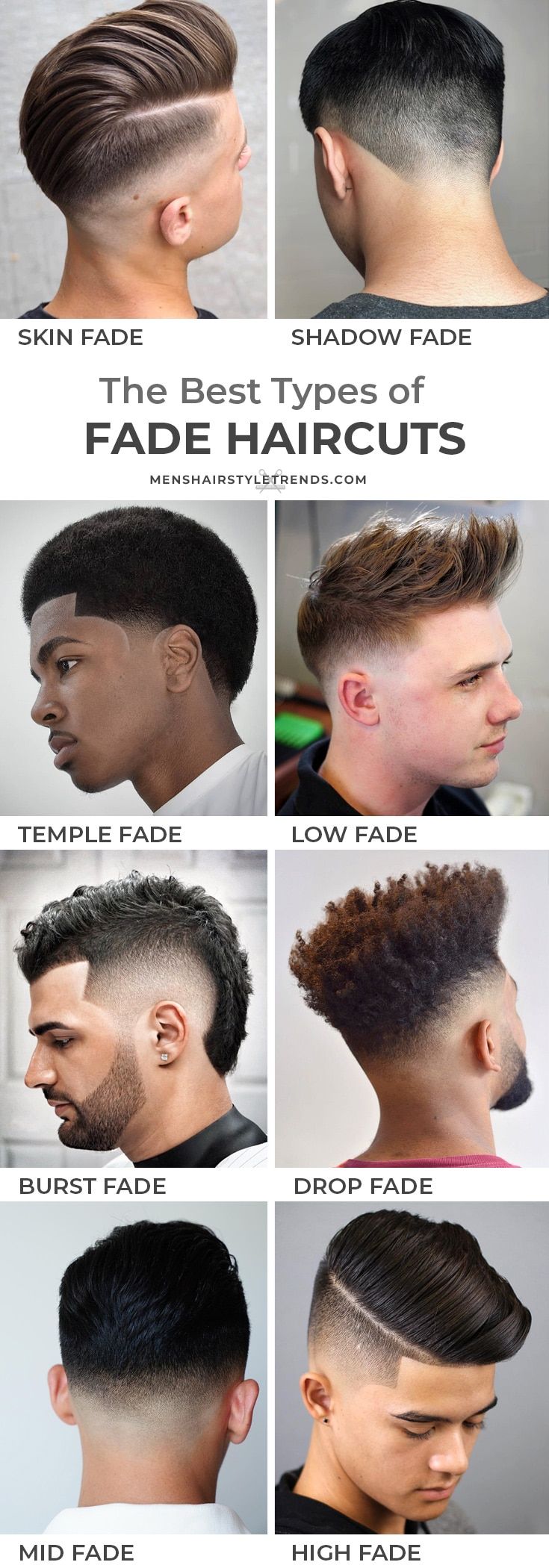
Understanding the Anatomy of Different Types of Fades Haircuts
Before choosing your style from the different types of fades haircuts, you must understand the three primary variables: the starting height, the level of skin exposure, and the blending technique. The height determines where the transition begins, while the “skin” or “bald” level dictates how much scalp is visible.
1. The Low Fade: One of the Different Types of Fades Haircuts
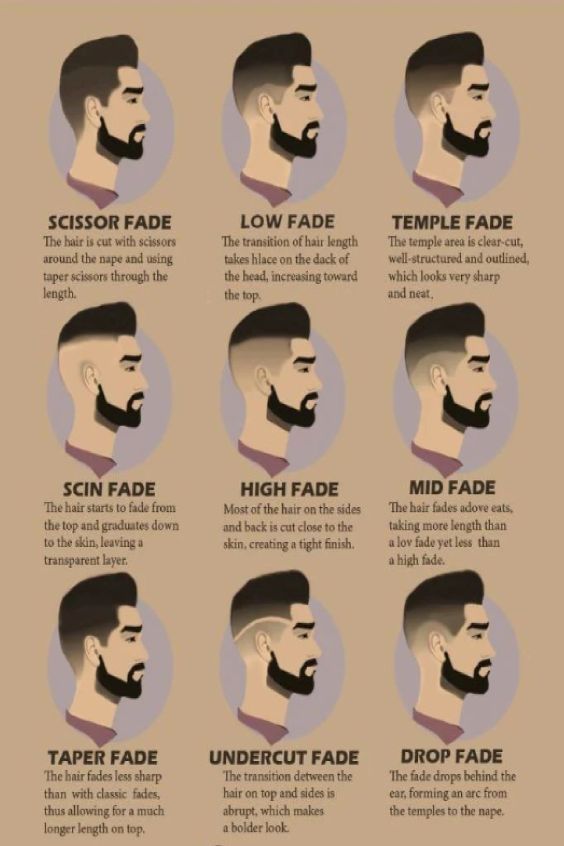
The low fade is the most conservative option. The transition begins very close to the ears and neckline, creating a subtle gradient, often referred to as a gentle taper fade, that is perfect for those who want a clean look without exposing too much skin. It is an excellent choice for men with professional careers or those who are trying one of the different types of fades haircuts for the first time.
2. The Mid Fade: A Balanced Choice Among Different Types of Fades Haircuts
As the name suggests, the mid fade starts in the middle of the sides, typically around the temples. It hits the “sweet spot” between a conservative low fade and a bold high fade. Among the different types of fades haircuts, it offers the perfect balance of edge and professionalism, making it the most requested cut among modern men’s hairstyles in 2026.
3. The High Fade: A Bold Option Among Different Types of Fades Haircuts
For those who want a bold, high-contrast look, the high fade is the gold standard. The blending starts much higher up, near the top of the head. This style is a prominent example of the different types of fades haircuts that create a dramatic effect, drawing the eye upward, which can help elongate the face and provide a sharp, clean silhouette, often complementing a bold undercut on top.
Specialized Fade Variations: Exploring More Different Types of Fades Haircuts for 2026
Beyond the standard height-based fades, there are specialized techniques that add unique flair to your hairstyle. These variations represent even more different types of fades haircuts, trending heavily this year, focusing on movement, texture, and precision.
The Drop Fade
The drop fade is characterized by the fade line “dropping” behind the ear toward the neckline. This creates a curved, arc-like effect that follows the natural bone structure of the skull, creating a distinctive neckline fade. It is highly flattering and adds a dynamic element to a traditional taper.
The Burst Fade
Popularized by the mohawk fade and faux hawk fade, the burst fade creates a circular, semi-circle fade around the ear. The hair is kept longer at the nape of the neck, creating a “burst” of hair that looks incredibly stylish when paired with braids, ponytails, or textured quiffs.
The Temp (Temple) Fade
Also known as a Brooklyn fade, the temp fade focuses specifically on the temple area. This is a subtle, precise cut that cleans up the hairline with a crisp edge up and is often paired with a sharp beard lineup. It is minimal but makes a massive impact on the overall sharpness of the face.
The Skin/Bald Fade
The skin fade is the ultimate high-contrast look. By taking the hair down to the bare skin, the barber creates a stark transition that is incredibly masculine. This style requires more frequent maintenance—usually a trip to the barber every 10–14 days for a shape up—but it offers the cleanest possible aesthetic.
How to Choose the Right Fade for Your Face Shape from the Different Types of Fades Haircuts
Not every one of the different types of fades haircuts works for every face. According to licensed cosmetologist Tiffany Carnevale-Russo, the key to a great fade is proportion.
Round Faces: Opt for a high fade. By keeping the sides very short and tight, you create the illusion of height and length, which slims down a round face.
Square/Angular Faces: A mid fade works best here. It complements a strong jawline without drawing too much attention to the width of the face.
Oval Faces: You are the lucky ones! Almost any fade, from a low taper to a high skin fade, will suit your head shape.
Long/Oblong Faces: Avoid extremely high fades, as these will only make your face appear longer. A low or mid taper fade is much more flattering, as it keeps more volume on the sides to balance your features.
Maintenance and Styling Tips for 2026
A fade is only as good as its maintenance. Because the hair is cut so precisely, as soon as it begins to grow back, the “sharpness” starts to fade. Here is how to keep your chosen style from the different types of fades haircuts looking fresh for as long as possible:
- Invest in Quality Products: For textured tops, use a matte clay, styling cream, or sea salt spray. For slicker styles, a hair wax or water-based pomade will keep your hair in place without the greasy buildup of traditional oil-based products.
- Regular Lineups: You don’t need a full haircut every week, but a weekly or bi-weekly lineup (neck and temple area) will keep your fade looking crisp.
- Scalp Care: If you opt for a skin fade, your scalp is more exposed to the elements. Use a mild, hydrating shampoo to prevent dry skin or irritation.
- Communicate with Your Barber: Don’t just say “give me a fade.” Bring a photo, or clearly define the height (low, mid, high) and the skin level (taper vs. skin).
The Future of Fades: Trends for 2026 and Beyond
As we move through 2026, we are seeing a shift toward “lived-in” fades among the different types of fades haircuts. While the crisp, sharp line is still popular, many men are opting for softer transitions that blend better with longer, flowy hair on top. Think taper fades paired with longer, messy fringes or “curtain” hairstyles.
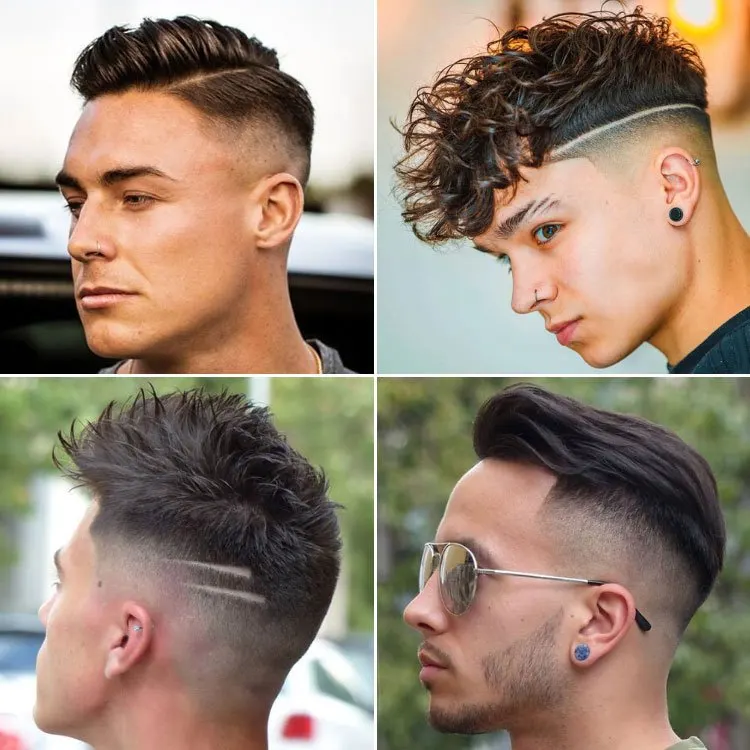
Furthermore, hair tattoos (designs) are making a comeback in a more minimalist way. Subtle geometric lines carved into a mid-fade are a great way to personalize your look without going overboard. Sustainability is also a trend; men are looking for cuts that require fewer chemical products and more natural, texture-enhancing styling.
Why the Fade Remains the Best Choice
The reason the fade, and indeed the different types of fades haircuts, has dominated for over a decade is its sheer reliability. It is a foundational haircut. It works with curly hair fade styles, straight hair fade variations, wavy, and coarse hair textures. It works with short buzz cuts, medium-length pompadours, and long, man-bun styles.
Statistically, over 75% of men who visit a professional barber shop request some form of a fade or taper. It is the most efficient way to manage hair density while maintaining a stylish, groomed appearance. By choosing the right variation—whether it’s a drop, burst, or high skin fade—you are investing in a look that boosts confidence and simplifies your morning routine.
Final Thoughts
The world of men’s haircuts can be overwhelming, but understanding the different types of fades haircuts offers endless possibilities for customization. Whether you prefer the subtle, professional look of a low fade or the bold, high-contrast impact of a skin fade, the key is finding a style that aligns with your lifestyle and facial structure.
As we look toward the remainder of 2026, remember that a great haircut is an investment in yourself. Don’t be afraid to experiment with different heights and textures. Talk to your barber, show them photos, and don’t be afraid to ask for their professional opinion on what will best suit your hair type and head shape. With the right cut, you’ll not only look sharper but feel more confident in your day-to-day life.