
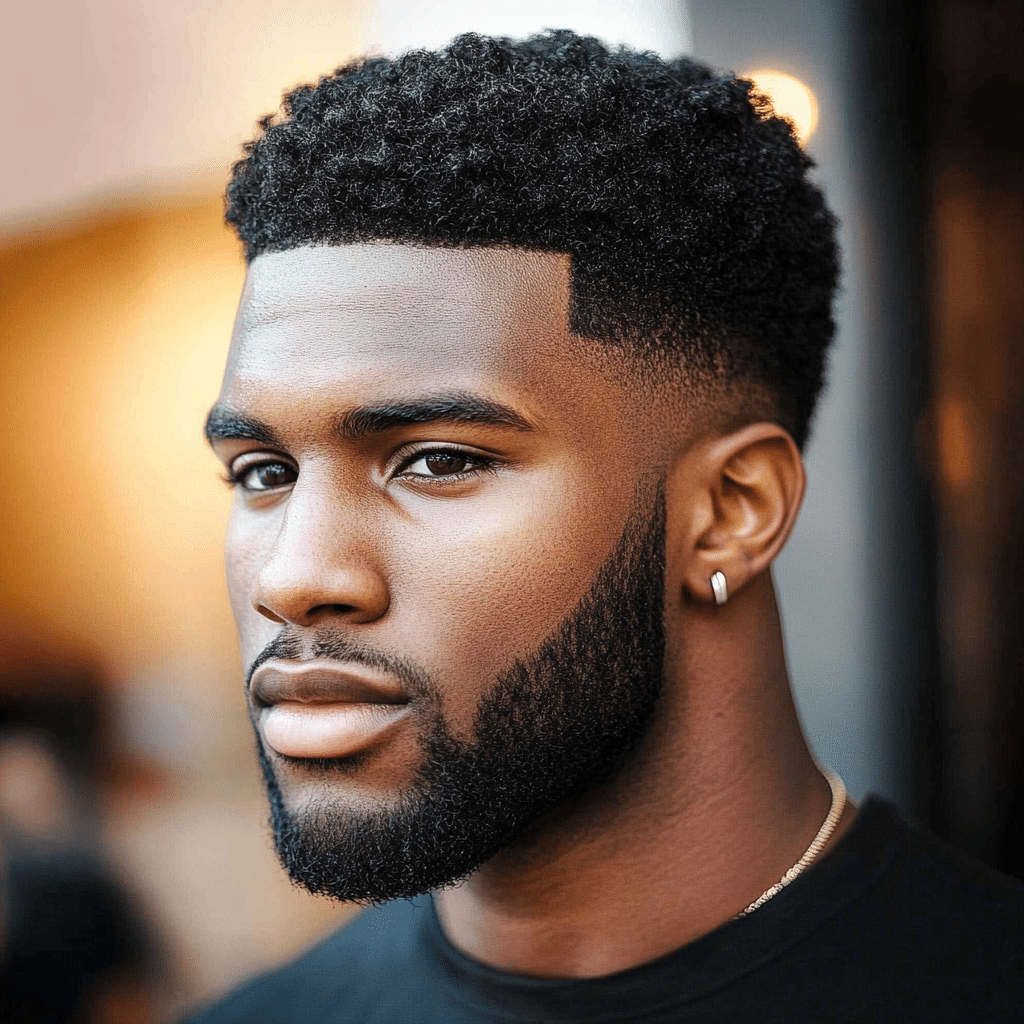
The low fade haircut for Black men remains the gold standard of modern grooming. As we step into 2026, this style continues to dominate barbershops worldwide, offering the perfect balance between professional polish and street-ready edge. Whether you are looking for a subtle taper or a sharp, skin-tight transition, the low fade is a versatile foundation that elevates every texture and hair type.
For many, a fresh cut is more than just maintenance; it is a confidence boost and a vital expression of cultural identity. By keeping the hair shorter at the neckline and temples while allowing for volume on top, the low fade creates a clean silhouette that frames the face perfectly.
Why the Low Fade Dominates 2026 Grooming Trends
The popularity of the low fade lies in its incredible versatility. Unlike high fades, which can sometimes feel too aggressive, a low fade starts just above the ears and follows the natural hairline. This makes it a low-maintenance choice that grows out gracefully, saving you frequent trips to the barber.
In 2026, the trend is shifting toward precision and texture. Barbers are focusing on blending techniques that emphasize the natural curl pattern of Black hair. Whether you rock a sponge twist, 360 waves, or a classic high top, the low fade acts as the “frame” for your personal masterpiece.
The Psychology of a Fresh Cut
There is an undeniable psychological benefit to a crisp lineup and a perfect fade. Research suggests that men who prioritize their grooming routine report higher levels of self-esteem. A low fade haircut for Black men provides that “clean” feeling—a sense of discipline and attention to detail that translates to success in both professional and social settings.
Top 5 Low Fade Variations for 2026
Choosing the right fade depends on your hair texture and face shape. Here are the most requested styles this year:
- The Low Taper Fade: This style focuses the fade on the temple and the nape, leaving the sides relatively thicker. It is perfect for those who want a professional look without exposing too much scalp.
- The Drop Fade: The fade curves behind the ear, creating a “drop” effect that follows the contour of the skull. This is a favorite for those wanting a more dramatic, artistic edge.
- Low Skin Fade: For the boldest look, the hair is faded down to the skin. This provides the highest contrast between the top and the sides, making the hair on top pop.
- Low Fade with Waves: A timeless classic. The 360-degree wave pattern requires a low fade to keep the sides crisp, allowing the ripples to take center stage.
- Low Fade with Beard Integration: In 2026, the fade doesn’t stop at the ear. A seamless transition from your low fade into a well-groomed, lined-up beard is the height of sophisticated grooming.
Mastering the Maintenance: Keeping Your Fade Fresh
A haircut is only as good as its upkeep. To keep your low fade looking sharp throughout the week, you need a routine. Even the best barbershop work can lose its “pop” if you don’t take care of the hair and scalp underneath.
Essential Grooming Tips
Invest in a Quality Durag or Wave Cap: If you have waves or a longer top, compression is key. Wearing a silk-lined durag at night prevents friction and keeps your hair laid down.
Scalp Health is Priority: Use a light, natural oil (like jojoba or argan oil) to keep your scalp hydrated. A dry, flaky scalp will ruin the look of a clean skin fade.
The Line-Up Matters: The line-up (or edge-up) is the partner to the fade. Ensure your barber uses a straight razor or high-quality trimmers to create sharp, geometric lines at the forehead and temples.
Frequency: To maintain that “fresh out of the chair” look, most men find they need a touch-up every 10 to 14 days.
Pairing Your Low Fade with Modern Styles
What you do with the hair on top is where your personality truly shines. Because the low fade is minimalist, it acts as a canvas for bolder choices.
Sponge Twists: This remains a top trend for 2026. The contrast between the tight, faded sides and the textured, chaotic curls on top creates a sophisticated yet rebellious look.
High Top Fade: A modern revival of the 90s classic. By lowering the fade, you give the high top a more contemporary feel that doesn’t look dated.
Locs and Fades: Combining short, neat locs with a low fade is a powerful look. It keeps the neck clean while allowing you to express your cultural style through your locs.
Choosing the Right Barber
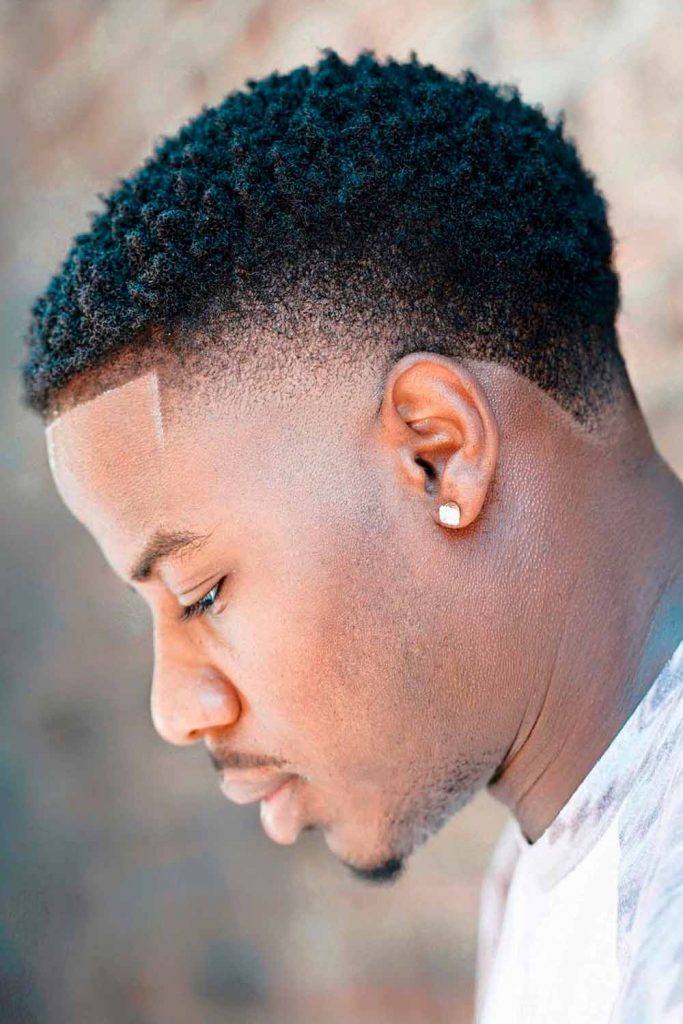
The low fade haircut for Black men requires a high level of skill. Not every barber understands the nuances of Black hair texture. When searching for a barber in 2026, look for the following:
Portfolio: Do they have a social media presence showing their work? Look specifically for clean transitions and symmetry.
Sanitization: A professional barber should always sanitize their clippers and tools between clients.
Communication: A good barber listens. Tell them exactly where you want the fade to start and how much weight you want to keep on the sides.
The Future of Black Men’s Grooming
As we move deeper into 2026, grooming is becoming more inclusive and experimental. We are seeing a rise in “design cuts”—where barbers use clippers to carve subtle patterns into the fade. While the classic low fade remains the foundation, don’t be afraid to add a hard part or a minimalist design to make the look uniquely yours.
Furthermore, the rise of specialized men’s grooming products has made it easier than ever to maintain your style at home. From beard balms that smell like cedarwood to texturizing creams that hold your curls all day, the tools available to the modern man are unprecedented.
Conclusion: Elevating Your Grooming Game
The low fade haircut for Black men is more than just a passing trend—it is a staple of masculine elegance. It offers a clean, sharp, and professional appearance that is easy to manage but impossible to ignore. By understanding your hair type, finding a skilled barber, and maintaining a consistent grooming routine, you can ensure that your look remains on point throughout 2026 and beyond.
Remember, the goal of any great haircut is to enhance your natural features. Whether you prefer a subtle taper or a bold skin fade, the confidence you project is the most important part of the style. Walk into your next barbershop appointment with a clear vision, ask for the style that fits your lifestyle, and enjoy the immediate upgrade to your overall aesthetic.
Your hair is your crown—wear it with pride, keep it fresh, and let your personality shine through your style.
The Artistry Behind the Low Fade: A Barber’s Perspective
While the concept of a “fade” might seem straightforward – hair gradually shortening from top to bottom – the execution of a perfect low fade, especially on black men’s hair, is a testament to a barber’s skill and artistry. It’s not merely about clipping hair; it’s about understanding hair texture, growth patterns, head shape, and the precise calibration of clippers and trimmers. A master barber approaches each client’s low fade as a unique canvas. They meticulously sculpt the hairline, ensuring crisp, clean lines that frame the face, often employing a straight razor for that extra definition that truly makes the fade pop.
The process often begins with carefully sectioning the hair, establishing the lowest point of the fade – typically just above the ear and around the nape of the neck. From there, a series of guards, often starting from a zero or half-guard, are used in an upward, scooping motion. The true magic lies in the “blending” phase, where the barber seamlessly transitions between different hair lengths, eradicating any visible lines or demarcation. This requires a steady hand, an keen eye, and often, the use of clip-over-comb techniques to achieve that buttery smooth gradient. For black hair, which can be dense and have distinct curl patterns, this blending requires an intimate knowledge of how to work with the hair’s natural texture, ensuring the fade appears uniform and natural, rather than patchy or disconnected. The barber’s choice of tools, from high-quality clippers with various attachments to precision trimmers and sharp razors, all contribute to the flawless finish of a well-executed low fade.
Beyond the Basic Low Fade: Nuances and Variations for Black Men
While “low fade” is a broad term, it encompasses a spectrum of subtle variations that allow for immense personalization. Understanding these nuances can help you articulate your desired look more precisely to your barber.
The Low Taper Fade: This is perhaps the most classic and understated version. The fade is minimal, primarily concentrated around the temples and the nape of the neck, with a gentle, soft transition rather than a stark skin-level cut. It maintains more bulk on the sides and back, offering a conservative yet impeccably neat appearance that’s ideal for professional settings or for those who prefer a less dramatic contrast.
The Low Skin Fade (or Bald Fade): For a bolder statement, the low skin fade takes the sides and back down to the skin level at its lowest point, creating a striking contrast with the hair on top. The gradient from bald to full hair is pronounced but still starts low on the head, maintaining a professional yet edgy vibe. This variation requires more frequent touch-ups to maintain its sharp definition.
The Low Drop Fade: This style is characterized by the fade “dropping” slightly behind the ear, following the natural curve of the head. It offers a unique silhouette that complements many face shapes and adds a subtle flair to the standard low fade, often seen as a stylish twist that adds a bit more personality.
The Shadow Fade: This refers to a fade that doesn’t go down to the skin but leaves a very short stubble, creating a “shadow” effect. It’s a softer approach than a skin fade but still provides a clean, graduated look, perfect for those who want a fade without the complete baldness on the sides.
Each of these variations, while rooted in the low fade concept, offers a distinct aesthetic, allowing black men to tailor their look to their personal style, occasion, and desired level of maintenance.
Mastering the Crown: Styling the Top with a Low Fade
The beauty of the low fade lies in its versatility, providing a clean foundation that allows the hair on top to truly shine. Whether you prefer a subtle texture or a bold statement, there are numerous ways to style the longer hair atop a low fade:
- Waves: A timeless and sophisticated choice, perfectly laid waves complement a low fade by extending the smooth, clean aesthetic upwards. Achieving deep, defined waves requires consistent brushing, moisturizing, and often the use of a durag or wave cap. The low fade provides a sharp frame, enhancing the intricate pattern of the waves.
- Twists or Locs (Short/Medium): For those embracing textured styles, short twists or budding locs can be beautifully paired with a low fade. The fade ensures a neat perimeter, highlighting the artistic arrangement of the twists or the organic growth of locs. This combination offers a modern, clean, and culturally rich aesthetic.
- Sponge Curls/Coils: Using a hair sponge to create defined coils is a popular and low-maintenance option. The low fade keeps the sides tidy, allowing the perfectly formed coils on top to be the focal point, adding volume and texture.
- Natural Afro/Frohawk: A well-groomed natural afro or a shaped frohawk can look incredibly striking with a low fade. The fade provides structure and neatness, allowing the natural volume and texture of the afro to stand out without appearing unruly. This look celebrates natural hair in a refined manner.
- Textured Crop/Caesar Cut: For a more structured, shorter look, a textured crop or Caesar cut on top, often styled forward or with a slight fringe, pairs excellently with a low fade. This gives a clean, sharp, and contemporary appearance that is both stylish and easy to manage.
- Braids (Cornrows/Box Braids): Even longer styles like cornrows or individual box braids can start from a low fade. The fade creates a clean foundation for the braids to emanate from, offering a sophisticated blend of intricate braiding and sharp grooming.
Experimenting with these styles, often with the guidance of your barber, allows you to continuously refresh your look while maintaining the sharp foundation of your low fade.
Maintaining the Freshness: Longevity and Aftercare for Your Low Fade
The crispness of a low fade is its defining characteristic, but without proper maintenance, its sharpness can quickly diminish. To prolong that fresh-from-the-barber look, consider these essential aftercare practices:
Regular Trims: The most crucial step. A low fade typically needs to be refreshed every 1-2 weeks, depending on how fast your hair grows and how sharp you want the lines to remain. Consistent barber visits ensure the gradient stays intact and the edges stay razor-sharp.
Edge-Up Maintenance: For those who want to extend the life of their edge-up, a quality personal trimmer can be a game-changer. Carefully tracing the existing hairline (without pushing it back) can help maintain the crispness between barber appointments. However, exercise caution to avoid creating uneven lines or pushing your hairline back unnecessarily.
Moisture is Key: Black hair thrives on moisture. To keep your hair healthy and manageable, especially the longer hair on top, incorporate a daily moisturizing routine. Use leave-in conditioners, natural oils (like argan, jojoba, or coconut oil), or specialized curl creams to prevent dryness and breakage. Hydrated hair is easier to style and looks healthier, complementing the clean fade.
Scalp Health: A clean, healthy scalp is the foundation for healthy hair. Use a gentle shampoo and conditioner regularly to remove product buildup and keep your scalp free from irritation. A healthy scalp promotes better hair growth and prevents issues like dandruff, which can detract from a clean look.
Protect Your Hair While Sleeping: Sleeping on a silk or satin pillowcase, or wearing a durag or satin scarf, can significantly reduce friction, prevent frizz, and help maintain the definition of your waves, twists, or coils. This is particularly important for preserving the shape and moisture of the hair on top.
Product Selection: Choose hair products wisely. Opt for non-greasy pomades, light hold gels, or curl enhancers that provide definition without weighing down the hair or causing buildup. Avoid products with excessive alcohol, which can dry out your hair and scalp.
By integrating these practices into your grooming routine, you can significantly extend the life and vibrancy of your low fade, ensuring you always step out with confidence.
The Cultural Resonance and Enduring Evolution of the Fade
The fade haircut, and particularly the low fade, is more than just a trend; it’s a cultural cornerstone, deeply embedded in the identity and expression of black men globally. Its origins can be traced back to the mid-20th century in black communities, evolving from military cuts into a symbol of precision, style, and self-respect. In the 1980s and 90s, with the rise of hip-hop culture, the fade became an iconic statement, synonymous with urban style, confidence, and individuality. Artists, athletes, and everyday men embraced it, transforming it from a simple haircut into a powerful form of non-verbal communication.
Today, the low fade continues to evolve, adapting to contemporary fashion while retaining its classic appeal. It bridges generations, equally embraced by young men seeking modern flair and older men desiring a sharp, sophisticated look. Its enduring popularity speaks to its adaptability across different hair textures and styles, and its capacity to convey both professionalism and street credibility. The fade represents a mastery of craft, a celebration of heritage, and a forward-looking embrace of modern grooming standards.
Choosing Your Barber: The Unsung Hero of Your Low Fade
The success of your low fade hinges almost entirely on the skill of your barber. Finding the right professional is not just about convenience; it’s about investing in an artist who understands your hair type, head shape, and aesthetic vision. When seeking a barber for your low fade, especially for black hair, consider these factors:
Experience with Black Hair: This is paramount. Black hair textures (coily, kinky, wavy) require specific techniques for fading, blending, and line-ups. A barber experienced with black hair understands its unique properties, knows how to prevent irritation, and can achieve the cleanest cuts.
Portfolio and Social Media: Most skilled barbers showcase their work online. Look for high-quality photos of low fades on clients with similar hair textures to yours. Pay attention to the crispness of the lines, the smoothness of the blend, and the overall artistry.
Communication Skills: A good barber listens attentively to your preferences and can offer expert advice. They should be able to translate your description into a precise cut and explain what will work best for your hair and face shape.
Tools and Hygiene: Observe the cleanliness of the shop and the barber’s tools. Sterilized equipment is crucial for health and safety. High-quality clippers, trimmers, and razors are indicative of a professional who takes their craft seriously.
- Client Reviews and Recommendations: Word-of-mouth remains a powerful indicator. Ask friends, family, or colleagues for recommendations, or check online reviews for consistent positive feedback regarding their fade services.
Building a relationship with a trusted barber is an investment in your personal style. They become not just a service provider, but a consultant who helps you maintain your signature look and experiment with new styles.
The Future of Fades: Innovation and Enduring Style
The low fade, while a classic, is far from static. It continues to inspire innovation in men’s grooming, with barbers constantly pushing the boundaries of what’s possible. We see new variations emerging, incorporating subtle design elements, intricate partings, or even colored hair accents within the faded sections. Yet, amidst these evolving trends, the core principles of the low fade – precision, cleanliness, and versatility – remain constant. It’s a testament to its timeless appeal that it can simultaneously be a traditional staple and a canvas for modern expression.
As grooming standards continue to rise and self-expression through style becomes increasingly valued, the low fade will undoubtedly retain its prominent position. Its ability to offer a sharp, refined, and adaptable look ensures its enduring popularity, solidifying its status as an indispensable element of contemporary black men’s style. Embrace the journey of discovery with your barber, explore the myriad possibilities, and wear your low fade as a proud declaration of your personal brand.