
The fade haircut has officially cemented its status as the most versatile and requested style in modern barbering. Whether you are aiming for a professional office look or a sharp, street-style aesthetic, there is a specific fade variation designed to elevate your grooming game. As we head into 2026, the trend has shifted toward precision, texture, and personalized blending that complements individual face shapes better than ever before.
Understanding the nuances of these cuts is essential before you sit in the barber’s chair. From the subtle transition of a low fade to the bold, high-contrast look of a skin fade, knowing the terminology ensures you leave the shop with exactly the cut you envisioned.
Understanding the Anatomy of a Fade
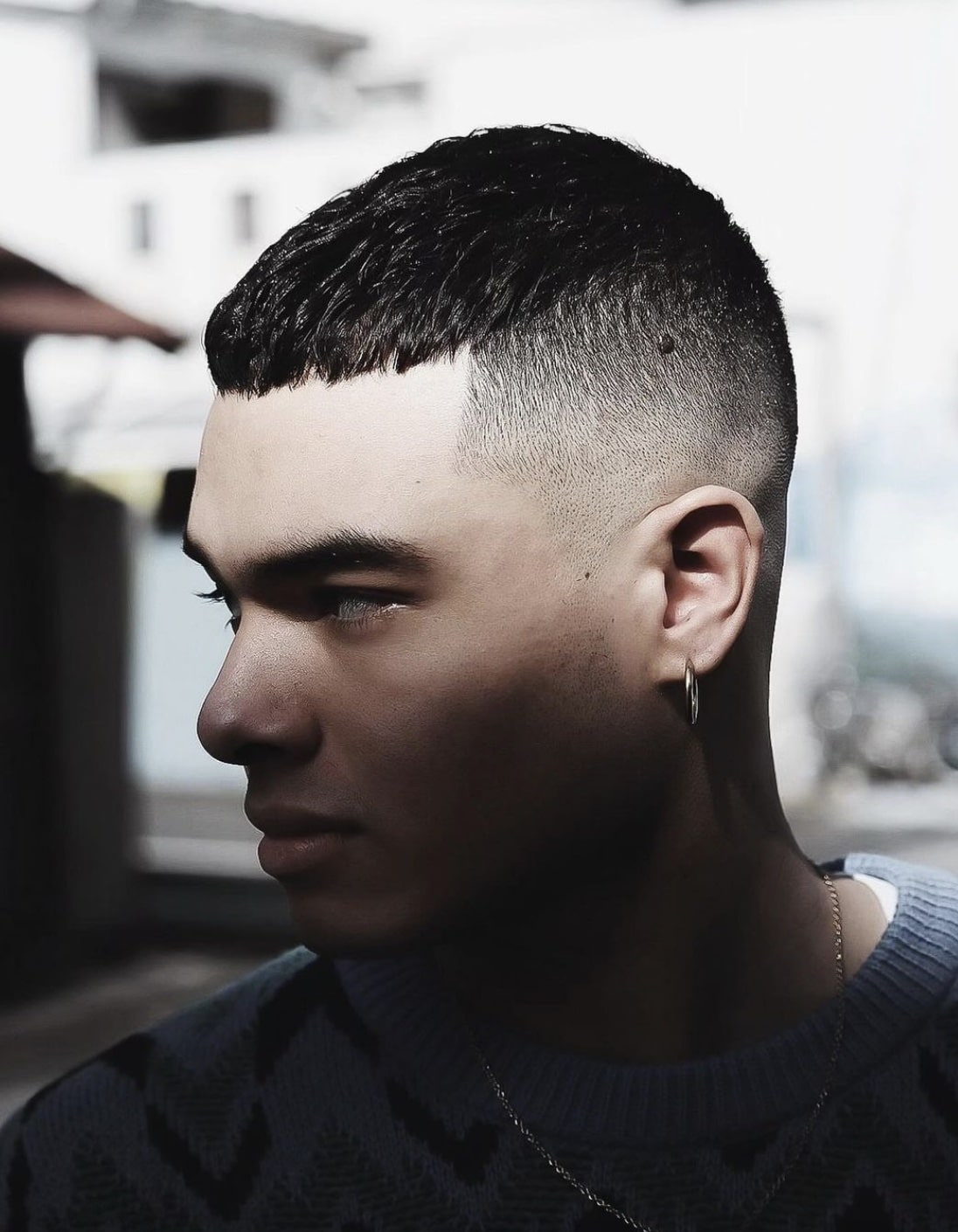
At its core, a fade is a technique where the hair length is tapered gradually from the sides and back, blending seamlessly into the hair on top. Unlike a standard clipper cut, a professional fade requires a skilled hand to create a “gradient” effect that looks clean and intentional.
According to licensed cosmetologist Tiffany Carnevale-Russo, the secret to a great fade lies in the tapering precision. By using varying guard sizes, a barber can control how quickly the hair transitions from long to short. This creates a clean, sharp silhouette that highlights the structure of the skull and jawline.
The Three Primary Categories: Low, Mid, and High
When discussing different types of fade haircuts, the “height” of the fade is the most critical factor. This refers to where the blending process begins on the sides of your head.
1. The Low Fade
The low fade is perfect for those who want a subtle and professional look. The blending starts very close to the hairline, just above the ears and the neckline. It is an excellent entry-point for beginners because it doesn’t expose too much scalp and works well with almost any beard style.
2. The Mid Fade
The mid fade is the “goldilocks” of haircuts. It starts somewhere between the temple and the ear, offering a balanced aesthetic that is both modern and manageable. It provides enough contrast to look edgy but remains conservative enough for most corporate environments.
3. The High Fade
The high fade is for those who want a bold, high-contrast statement. The fade starts high up on the sides, near the crown of the head. This style draws the eye upward, making it a fantastic choice for men who want to add height to their profile or highlight a textured top.

Specialized Fade Variations for 2026
Beyond the standard height-based fades, 2026 trends are highlighting more specialized techniques that add unique flair to your haircut. These variations allow for deeper customization based on your hair texture and personal style.
The Drop Fade
The drop fade is a sophisticated variation where the fade “drops” behind the ear, following the natural curve of the hairline down to the nape of the neck. This creates a dynamic arc that looks incredible from a side profile. It is particularly popular for men with thick, wavy hair who want to maintain some bulk while keeping the edges clean.
The Burst Fade
Often associated with mohawks or faux-hawks, the burst fade creates a semi-circular effect around the ear. The hair is faded in a rounded pattern, leaving the hair longer at the back of the neck. It is a striking, artistic choice that works best for men who enjoy experimenting with unconventional silhouettes.
The Skin Fade (Bald Fade)
The skin fade is the ultimate “clean” cut. It involves tapering the hair down to the bare skin using a foil shaver or a zero-guard clipper. This provides the sharpest possible contrast between the scalp and the hair on top. Because it is so short, it requires more frequent maintenance—usually a trip to the barber every 10–14 days to keep it looking crisp.
Choosing the Right Fade for Your Hair Texture
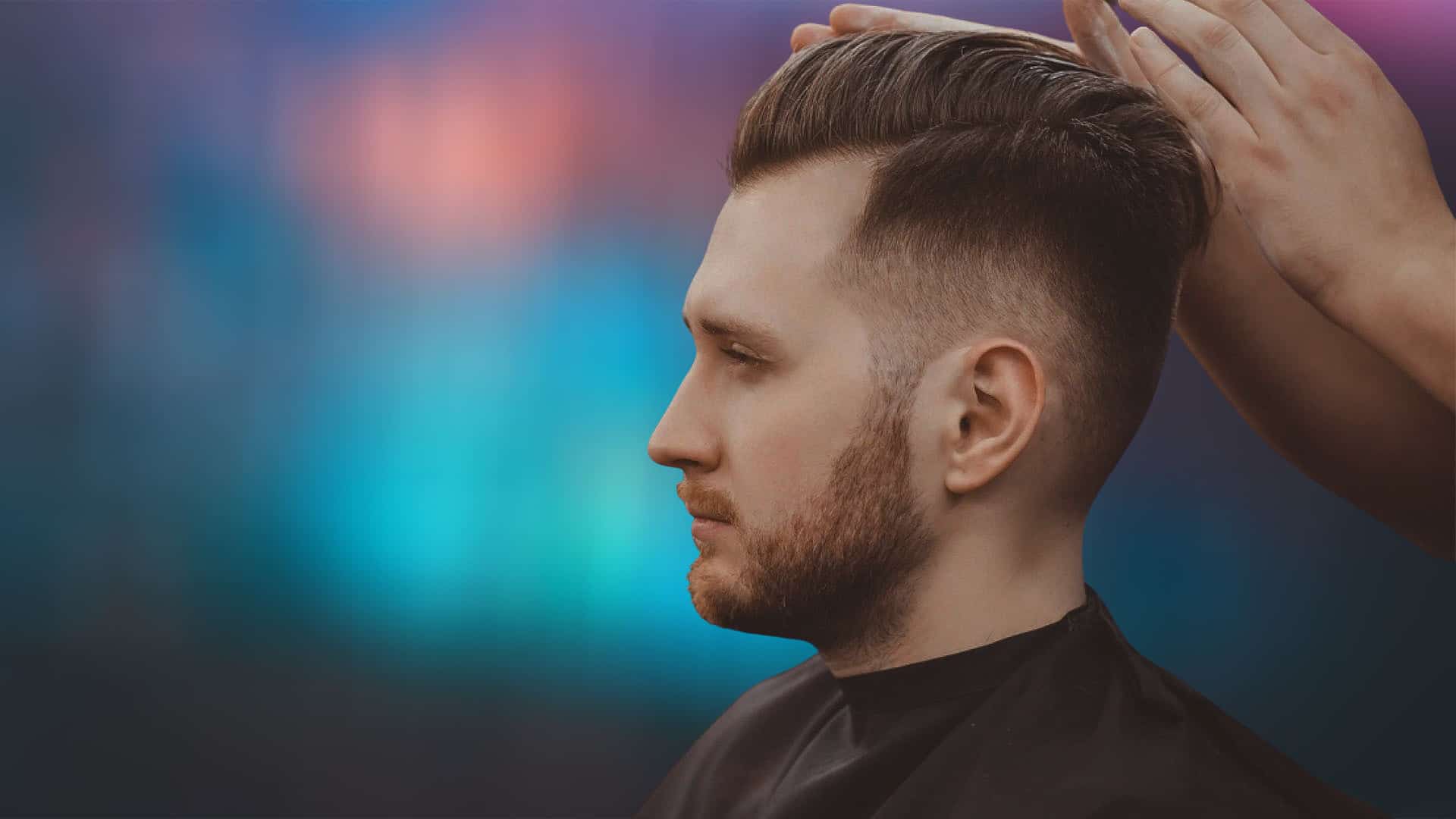
Not all fades work the same way on every hair type. Your hair density, curl pattern, and growth direction all play a role in how the final result will look.
Straight Hair: Straight hair shows off the precision of a fade best. A high skin fade is often the go-to for straight-haired individuals because it accentuates the clean lines.
Wavy/Curly Hair: Fades are a game-changer for curly hair. By removing the bulk on the sides, you eliminate the “puffy” look, allowing your natural curls on top to take center stage. A drop fade works exceptionally well here to maintain the natural flow of the curls.
Coarse/Textured Hair: For those with thicker, coarser hair, a mid-fade with a crisp line-up is a classic choice. It provides a neat, structured look that lasts longer between cuts due to the density of the hair.
Expert Tips for Maintenance and Styling
Even the most expensive haircut will lose its appeal if not maintained properly. In 2026, the focus is on scalp health and product quality.
- Frequency is Key: If you opt for a skin fade, plan on visiting your barber every two weeks. If you choose a low taper fade, you can likely stretch that to three or four weeks.
- Use the Right Products: For the top portion, use a matte clay or sea salt spray to add volume and texture. Avoid heavy gels that can make the hair look greasy.
- Scalp Care: Since a fade exposes more of your scalp, ensure you are using a mild, hydrating shampoo to prevent dryness or irritation.
- Communicate with Your Barber: Don’t just say “give me a fade.” Bring a photo, but more importantly, describe the vibe* you want. Are you looking for something sporty, professional, or daring? Your barber can adjust the fade height to suit your specific head shape.
Why the Fade Remains the King of Men’s Grooming
The enduring popularity of the fade is not an accident. It is a highly functional, aesthetic, and versatile style. Research consistently shows that men who invest in high-quality grooming experience a boost in confidence.
The fade allows for endless creativity. Whether it’s pairing a high skin fade with a textured crop, or a low taper fade with a classic pompadour, the possibilities are infinite. In 2026, the “best” fade is the one that aligns with your lifestyle, your face shape, and your comfort level with maintenance.
Conclusion: Taking the Plunge
Selecting the right type of fade is an investment in your personal brand. By understanding the differences between low, mid, and high fades, and recognizing the unique benefits of variations like the drop or burst, you are now equipped to have an informed conversation with your barber.
Remember, the goal of a fade is to complement your features, not hide them. Start with a more conservative low fade if you are unsure, and don’t be afraid to experiment as you become more comfortable. With the right cut and a bit of styling, a professional fade will keep you looking sharp, clean, and modern all year long.