
In the ever-evolving world of men’s grooming, the low fade haircut has solidified its status as a timeless masterpiece. As we move through 2026, this particular style has transcended being just a “trend” to become a foundational element of modern masculine aesthetics, a true staple in modern men’s grooming. Whether you are a corporate professional, a creative artist, or an athlete, the low fade offers a level of versatility and sophistication that few other haircuts can match.
The year 2026 marks a shift toward “Quiet Luxury” in hair—styles that look impeccably groomed without appearing overly forced. The low fade fits this description perfectly, providing a clean cut, tapered look that starts just above the ears and neckline, leaving plenty of room for creative expression on top. The expertly tapered sides are a hallmark of this style. In this comprehensive guide, we will explore why the low fade is the dominant choice for men this year, the various iterations available, and how to maintain that “fresh out of the barbershop” look.
What Exactly is a Low Fade Haircut?
To understand why the low fade is so popular, we first need to define its technical structure. Unlike a high fade, which begins near the crown, or a mid fade, which starts at the temple, the low fade begins approximately one inch above the ear. It is characterized by a gradual transition from short hair (or skin) at the bottom to longer hair as you move up the head, a style that can be adapted for various hair density and hair texture.
In 2026, the artistry of the low fade lies in the seamlessness of the blend. Modern barbers use a combination of high-precision clippers, specific clipper guards, foil shavers, and shear-over-comb techniques to ensure there are no visible lines. This meticulous blending is a key aspect of these advanced barber techniques, creating a “gradient effect” that frames the face and accentuates the jawline.
The Key Characteristics of a 2026 Low Fade:
Precision Placement: The fade line stays low, hugging the natural curve of the ear.
Gradual Tapering: The transition is subtle, making it suitable for conservative environments.
Customizable Length: The bottom can be a “skin fade” (bald) or a “shadow fade” (short stubble).
Enhanced Texture: 2026 styles emphasize natural movement on the top of the head.
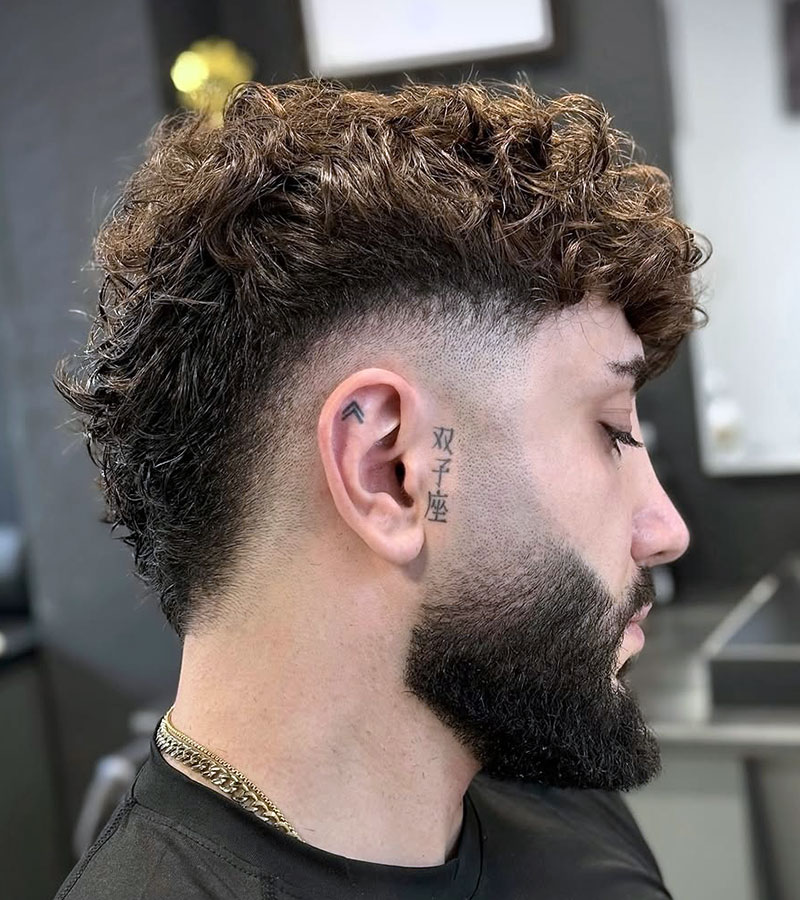
Why the Low Fade is the King of 2026 Trends
According to recent grooming industry reports, over 65% of men requesting fades in 2026 opt for the “low” variation. This preference stems from a global move toward more natural, organic hair textures. While the high-contrast “disconnected” undercuts of the previous decade were about making a loud statement, the low fade is about refined detail.
One major factor driving this trend is the integration of facial hair. In 2026, the “beard-fade” connection is more important than ever. A low fade provides the perfect “bridge” between the hair on your head and your beard, allowing for a polished look and a seamless transition that prevents the sideburns from looking bulky.
Furthermore, the low fade is exceptionally forgiving. As it grows out, it maintains its shape better than a high fade, meaning you can occasionally stretch your barber visits to three weeks instead of two without looking unkempt.
Top Low Fade Variations for 2026
The beauty of this haircut is that it is not a “one size fits all” solution. Depending on your hair type and personal style, whether you have straight, wavy, thick, or fine hair, there are several ways to execute the low fade.
1. The Low Taper Fade
The low taper fade is perhaps the most requested version in 2026. It focuses the fading process specifically on the temples and the nape of the neck. This leaves the area around the ears slightly fuller, offering a classic silhouette that works exceptionally well for men with straight or wavy hair.
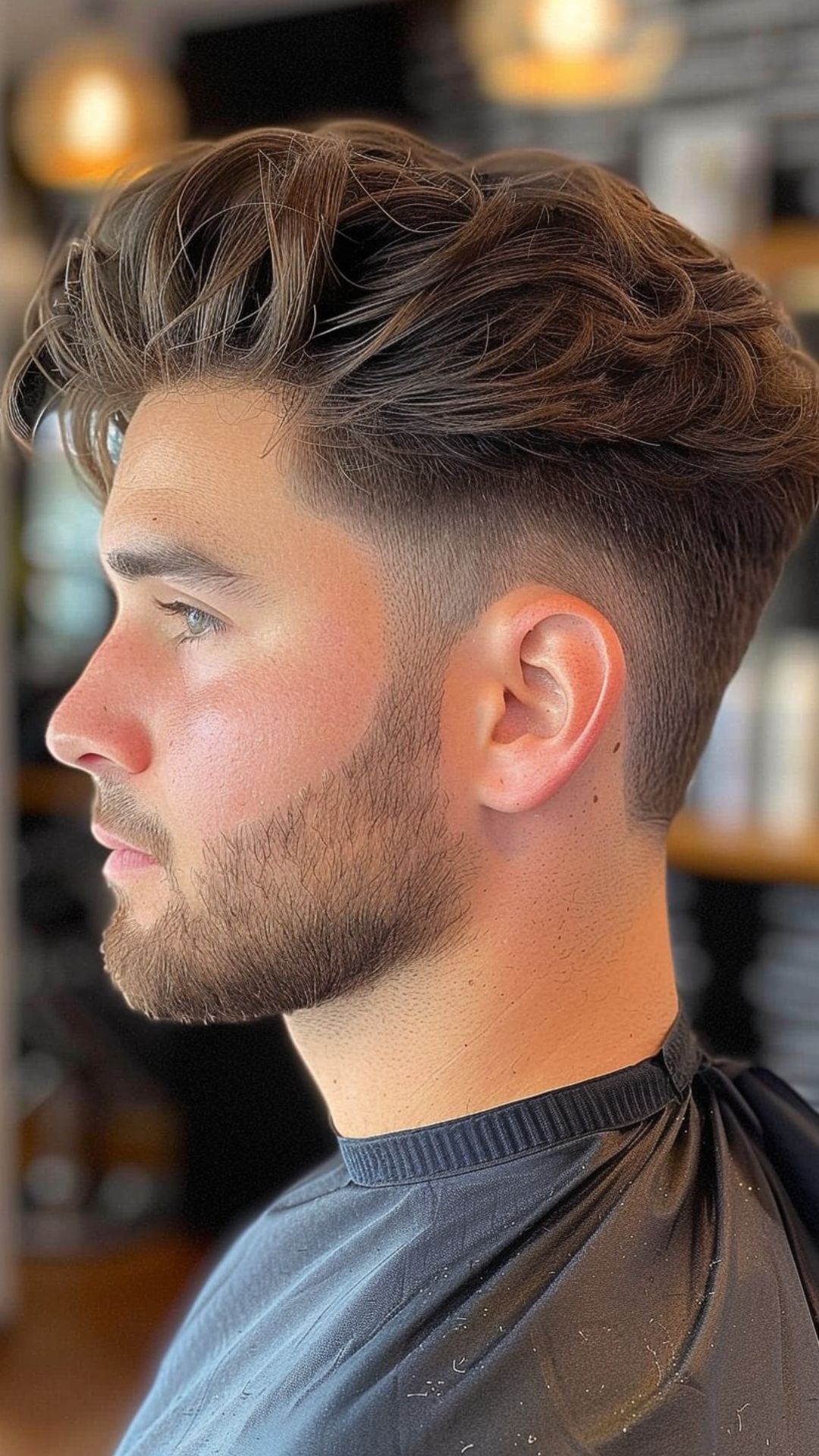
2. The Low Drop Fade
The “drop” fade is a technical variation where the fade line arc’s down behind the ear toward the back of the head. This follows the natural bone structure of the skull, creating a more ergonomic and visually interesting look. It is a favorite among men with thicker hair as it helps manage volume at the back.
3. Low Fade with Textured Crop
Influenced by European street style, the textured crop paired with a low fade remains a powerhouse in 2026. This versatile cut allows for various top hairstyles like a slick back, fringe, or comb over. The top is cut into choppy layers to create volume and movement, while the low fade keeps the sides tight and clean. This is an ideal choice for guys with thinning hair, as the texture on top creates the illusion of fullness.
4. The Low Skin Fade (Bald Fade)
For those who want a sharper, more aggressive look, the low skin fade is the way to go. The hair is taken down to the skin at the very bottom of the fade. In 2026, barbers are pairing this with longer hair on top (like a quiff or pompadour) to create a sophisticated “high-low” contrast.
5. Low Fade for Curly and Coily Hair
The low fade is a game-changer for men with natural curls or 4C hair textures. It allows the natural volume of the curls to shine while keeping the edges crisp. In 2026, the “low fade afro” or “curly top fade” is often paired with a surgical line (part) for added definition.
Choosing the Right Low Fade for Your Face Shape
Not every low fade is created equal. To achieve the most flattering look, you must consider your facial structure. A skilled barber will adjust the height and weight of the fade to balance your features, often starting with a thorough consultation with your barber to understand your preferences and hair type.
Oval Face: You are in luck. Most low fade variations work for you. Try a low fade with a side part to emphasize your symmetry.
Square Face: Stick to a low fade that maintains some volume on the sides to avoid making your head look too boxy. A low taper is usually the best bet.
Round Face: Aim for height. Pair your low fade with a pompadour or a spiked-up texture on top to elongate the face.
Heart Face: Keep the fade very low and consider growing a beard. The low fade will prevent the top of your head from looking too wide, while the beard adds weight to a narrow chin.
The 2026 Grooming Toolkit: Maintenance and Styling
A low fade is a high-precision cut, which means it requires the right products and routine to stay looking sharp. In 2026, the focus has shifted from heavy, greasy pomades to lightweight, water-based clays and sea salt sprays. While traditional hair wax and styling cream still have their place, the emphasis is on natural hold.
Essential Products for Your Routine:
- Matte Clay: Perfect for adding “grip” and texture to your hair without the shine. This is essential for the “messy but controlled” looks popular this year.
- Sea Salt Spray: Use this on damp hair before blow-drying to add incredible volume and a natural, “beach-day” finish.
- Scalp Serum: Healthy hair starts at the root. With the skin-heavy fades of 2026, keeping your scalp hydrated and flake-free is a must.
- Boar Bristle Brush: Ideal for those with shorter styles or waves to keep the hair laying flat and smooth.
Barber Visit Frequency
To maintain the integrity of a low fade, consistency is key. Most men in 2026 visit their barber every 10 to 14 days. If you prefer a “shadow fade” (where there is still hair at the bottom), you can stretch this to 21 days, allowing for relatively effortless styling between visits. However, once the hair around the ears begins to lose its “blur,” the effect of the fade is lost.
The Psychology of the Low Fade: Why It Works
There is a psychological component to why the low fade has remained a staple for so long. Research in the field of enclothed cognition suggests that the way we groom ourselves directly impacts our self-confidence and how others perceive our competence.
The low fade strikes a perfect balance. It signals that you are someone who pays attention to detail and values cleanliness, but it doesn’t scream for attention. In a professional setting, it appears disciplined and organized. In a social setting, it appears modern and stylish. This “dual-threat” capability is exactly why the low fade continues to dominate the grooming industry.
Low Fade and Beard Integration: The 2026 Standard
You cannot talk about low fades in 2026 without discussing the beard. The “seamless transition” is the hallmark of a master barber.
If you have a full beard, the low fade should taper down into the sideburns, which then “fade back in” to the beard density. This prevents the “helmet head” look and creates a cohesive frame for your face. If you prefer a stubble look, the low fade should be even more subtle to avoid a disconnected appearance.
Pro Tip: Use a beard oil that matches the scent of your hair styling product for a unified grooming experience.
Common Mistakes to Avoid
Even with a style as versatile as the low fade, things can go wrong. Here are the most common pitfalls:
Going Too High: If your barber starts the fade too high, it becomes a mid or high fade. Be specific and use reference photos, clearly communicating your desired fade line. Knowing how to ask your barber for the exact look you want is crucial for satisfaction.
Neglecting the Neckline: The back of a low fade can be “blocked,” “rounded,” or “tapered.” In 2026, the tapered neckline is the most modern and natural-looking option.
Over-Styling: In 2026, less is more. Avoid using too much product that makes the hair look crunchy or wet.
Ignoring Ear Hair: A low fade draws attention to the ears. Ensure you or your barber trims any stray hairs in that area for a truly clean finish.
Conclusion: Why You Should Get a Low Fade Today
As we have explored, the low fade haircut for guys is more than just a passing fad; it is a sophisticated grooming choice that offers unparalleled flexibility. Whether you are looking to refresh your professional image or want a low-maintenance style for your active lifestyle, the low fade is the answer for 2026.
By choosing the right variation for your face shape, maintaining a consistent barber schedule, and using modern matte products, you can ensure your hair remains a focal point of your personal style. The low fade is the ultimate “confidence booster”—it’s sharp, it’s clean, and it’s undeniably masculine.
Ready to transform your look? Book an appointment with your barber and ask for a custom low fade. Your hair is the one accessory you wear every single day—make sure it’s a masterpiece.